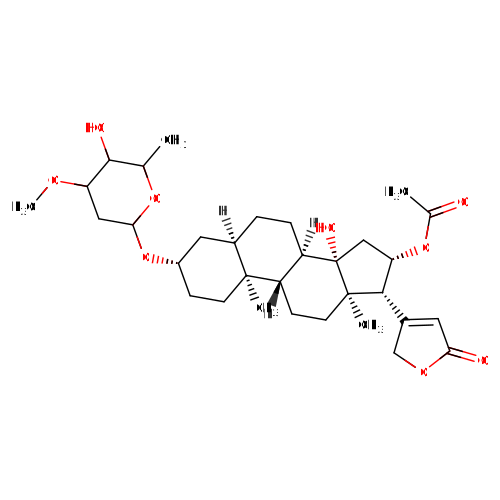
belongs to the class of organic compounds known as cardenolide glycosides and derivatives. Cardenolide glycosides and derivatives are compounds containing a carbohydrate glycosidically bound to the cardenolide moiety.
No indication of carcinogenicity to humans (not listed by IARC).
Uses/Sources
Oleandrin is a plant toxin found in Oleander (Nerium oleander). (2)
Minimum Risk Level
Not Available
Health Effects
Oleandrin causes both gastrointestinal and cardiac effects. Reactions to poisonings from this plant can also affect the central nervous system, possibly resulting in coma that can lead to death. (2)
Symptoms
The gastrointestinal effects can consist of nausea and vomiting, excess salivation, abdominal pain, diarrhea, and colic. Cardiac reactions consist of irregular heart rate, and extremities may become pale and cold due to poor or irregular circulation. Reactions to poisonings from this plant can also affect the central nervous system. These symptoms can include drowsiness, tremors or shaking of the muscles, seizures, collapse, and even coma that can lead to death. Oleander sap can cause skin irritations, severe eye inflammation and irritation, and allergy reactions characterized by dermatitis. (2)
Treatment
Oleandrin poisoning is treated by induced vomiting, gastric lavage, and/or administration of activated charcoal to prevent further absorption. In severe cases, the antidote Digoxin Immune Fab may be used. (3)