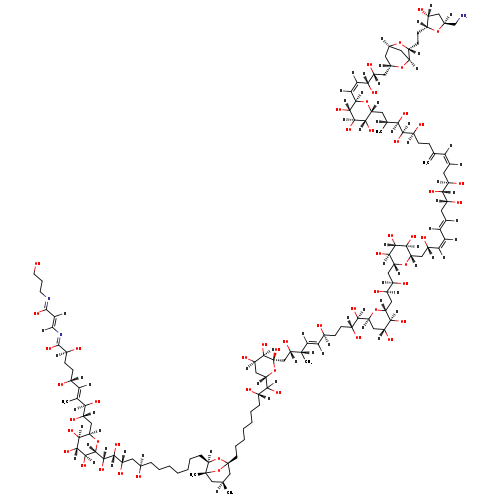
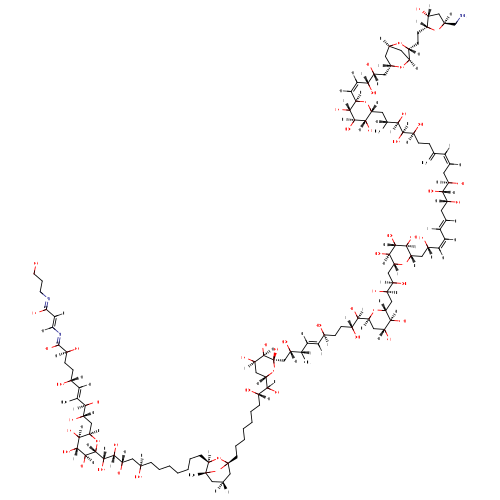
Ostreocin D is a solid compound with the chemical formula C127H219N3O53. Ostreocin D belongs to the carbohydrates and carbohydrate conjugates, a subclass of organooxygen compounds within the organic compounds. With an average molecular weight of 2,636 g/mol, Ostreocin D is a heavy molecule. This substance is of exogenous origin.
The compound is found in or released from 13 recorded sources across several sectors. In the energy, oil & gas and industrial manufacturing & chemical processing sectors, it is found in lubricants. Within healthcare, pharmaceuticals & veterinary products, it is associated with medical devices, while it is found in food packaging within the food, food processing & cookware sector. It is also present in textiles, leather & furnishings, specifically in carpets, rugs, and synthetic textiles. Additionally, it is found in electrical & electronic equipment, including batteries, capacitors, printed circuit boards, wires, cables, and cell phones, as well as one other sector. Recorded exposure routes for Ostreocin D include touch, oral, and inhalation.
belongs to the class of organic compounds known as c-glycosyl compounds. These are glycoside in which a sugar group is bonded through one carbon to another group via a C-glycosidic bond.
No indication of carcinogenicity to humans (not listed by IARC).
Uses/Sources
Ostreocin D is a marine toxin produced by dinoflagellates. It shares structure with palytoxin, a toxic compound responsible for the seafood intoxication named clupeotoxism.