Record Information
Version1.0
Creation Date2014-08-29 06:35:06 UTC
Update Date2026-04-17 18:55:30 UTC
Accession NumberCHEM003324
Identification
Common NameL-Isoleucine
ClassSmall Molecule
DescriptionL-Isoleucine is one of the essential amino acids that cannot be made by the body and is known for its ability to help endurance and assist in the repair and rebuilding of muscle. This amino acid is important to body builders as it helps boost energy and helps the body recover from training. L-Isoleucine is also classified as a branched-chain amino acid (BCAA). It helps promote muscle recovery after exercise. Isoleucine is actually broken down for energy within the muscle tissue. It is important in hemoglobin synthesis and regulation of blood sugar and energy levels.
Contaminant Sources
  • Cosmetic Chemicals
  • EAFUS Chemicals
  • FooDB Chemicals
  • HMDB Contaminants - Feces
  • HMDB Contaminants - Urine
  • HPV EPA Chemicals
  • STOFF IDENT Compounds
  • T3DB toxins
Contaminant Type
  • Amine
  • Amino Acid, Essential
  • Animal Toxin
  • Dietary Supplement
  • Drug
  • Food Toxin
  • Household Toxin
  • Metabolite
  • Micronutrient
  • Natural Compound
  • Nutraceutical
  • Organic Compound
  • Supplement
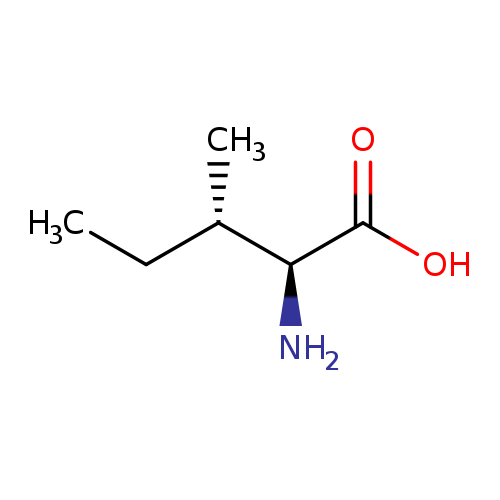
Chemical Structure
Thumb
Synonyms
ValueSource
(2S,3S)-2-Amino-3-methylpentanoic acidChEBI
2-Amino-3-methylvaleric acidChEBI
alpha-Amino-beta-methylvaleric acidChEBI
IChEBI
IleChEBI
ISOLEUCINEChEBI
(2S,3S)-2-Amino-3-methylpentanoateGenerator
2-Amino-3-methylvalerateGenerator
a-Amino-b-methylvalerateGenerator
a-Amino-b-methylvaleric acidGenerator
alpha-Amino-beta-methylvalerateGenerator
Α-amino-β-methylvalerateGenerator
Α-amino-β-methylvaleric acidGenerator
(2S,3S)-2-Amino-3-methyl-pentanoateHMDB
(2S,3S)-2-Amino-3-methyl-pentanoic acidHMDB
(2S,3S)-a-Amino-b-methyl-N-valerateHMDB
(2S,3S)-a-Amino-b-methyl-N-valeric acidHMDB
(2S,3S)-a-Amino-b-methylvalerateHMDB
(2S,3S)-a-Amino-b-methylvaleric acidHMDB
(2S,3S)-Alph-amino-beta-methylvalerateHMDB
(2S,3S)-Alph-amino-beta-methylvaleric acidHMDB
(2S,3S)-alpha-Amino-beta-merthyl-N-valerateHMDB
(2S,3S)-alpha-Amino-beta-merthyl-N-valeric acidHMDB
(2S,3S)-alpha-Amino-beta-merthylvalerateHMDB
(2S,3S)-alpha-Amino-beta-merthylvaleric acidHMDB
(2S,3S)-alpha-Amino-beta-methyl-N-valerateHMDB
(2S,3S)-alpha-Amino-beta-methyl-N-valeric acidHMDB
(2S,3S)-alpha-Amino-beta-methylvalerateHMDB
(2S,3S)-alpha-Amino-beta-methylvaleric acidHMDB
(S)-IsoleucineHMDB
(S,S)-IsoleucineHMDB
2-Amino-3-methylpentanoateHMDB
2-Amino-3-methylpentanoic acidHMDB
2S,3S-IsoleucineHMDB
Erythro-L-isoleucineHMDB
Iso-leucineHMDB
L-(+)-IsoleucineHMDB
L-IleHMDB
[S-(R*,r*)]-2-amino-3-methylpentanoateHMDB
[S-(R*,r*)]-2-amino-3-methylpentanoic acidHMDB
Isoleucine, L-isomerHMDB
AlloisoleucineHMDB
Isoleucine, L isomerHMDB
L-Isomer isoleucineHMDB
2S-Amino-3S-methylpentanoateHMDB
L-IsoleucineKEGG
Chemical FormulaC6H13NO2
Average Molecular Mass131.173 g/mol
Monoisotopic Mass131.095 g/mol
CAS Registry Number73-32-5
IUPAC Name(2S,3S)-2-amino-3-methylpentanoic acid
Traditional NameL-isoleucine
SMILESCC[C@H](C)[C@H](N)C(O)=O
InChI IdentifierInChI=1S/C6H13NO2/c1-3-4(2)5(7)6(8)9/h4-5H,3,7H2,1-2H3,(H,8,9)/t4-,5-/m0/s1
InChI KeyAGPKZVBTJJNPAG-WHFBIAKZSA-N
Chemical Taxonomy
Description belongs to the class of organic compounds known as isoleucine and derivatives. Isoleucine and derivatives are compounds containing isoleucine or a derivative thereof resulting from reaction of isoleucine at the amino group or the carboxy group, or from the replacement of any hydrogen of glycine by a heteroatom.
KingdomOrganic compounds
Super ClassOrganic acids and derivatives
ClassCarboxylic acids and derivatives
Sub ClassAmino acids, peptides, and analogues
Direct ParentIsoleucine and derivatives
Alternative Parents
Substituents
  • Isoleucine or derivatives
  • Alpha-amino acid
  • L-alpha-amino acid
  • Branched fatty acid
  • Methyl-branched fatty acid
  • Fatty acid
  • Fatty acyl
  • Amino acid
  • Monocarboxylic acid or derivatives
  • Carboxylic acid
  • Organic oxide
  • Organopnictogen compound
  • Primary amine
  • Organooxygen compound
  • Organonitrogen compound
  • Primary aliphatic amine
  • Carbonyl group
  • Organic oxygen compound
  • Amine
  • Organic nitrogen compound
  • Hydrocarbon derivative
  • Aliphatic acyclic compound
Molecular FrameworkAliphatic acyclic compounds
External Descriptors
Biological Properties
StatusDetected and Not Quantified
OriginEndogenous
Cellular Locations
  • Cytoplasm
  • Extracellular
  • Mitochondria
Biofluid LocationsNot Available
Tissue Locations
  • All Tissues
  • Prostate
Pathways
NameSMPDB LinkKEGG Link
Transcription/TranslationSMP00019 Not Available
Valine, Leucine and Isoleucine DegradationSMP00032 map00280
Hartnup DisorderSMP00189 Not Available
ApplicationsNot Available
Biological Roles
Chemical RolesNot Available
Physical Properties
StateSolid
AppearanceWhite powder.
Experimental Properties
PropertyValue
Melting Point285.5 dec°C
Boiling PointNot Available
Solubility3.44E+004 mg/L (at 25°C)
Predicted Properties
PropertyValueSource
Water Solubility114 g/LALOGPS
logP-1.7ALOGPS
logP-1.5ChemAxon
logS-0.06ALOGPS
pKa (Strongest Acidic)2.79ChemAxon
pKa (Strongest Basic)9.59ChemAxon
Physiological Charge0ChemAxon
Hydrogen Acceptor Count3ChemAxon
Hydrogen Donor Count2ChemAxon
Polar Surface Area63.32 ŲChemAxon
Rotatable Bond Count3ChemAxon
Refractivity34.09 m³·mol⁻¹ChemAxon
Polarizability14.11 ųChemAxon
Number of Rings0ChemAxon
Bioavailability1ChemAxon
Rule of FiveYesChemAxon
Ghose FilterNoChemAxon
Veber's RuleNoChemAxon
MDDR-like RuleNoChemAxon
Spectra
Spectra
Spectrum TypeDescriptionSplash KeyView
GC-MSGC-MS Spectrum - GC-EI-TOF (Pegasus III TOF-MS system, Leco; GC 6890, Agilent Technologies) (2 TMS)splash10-0a4i-0930000000-e78f845bb2a8d4736476Spectrum
GC-MSGC-MS Spectrum - GC-EI-TOF (Pegasus III TOF-MS system, Leco; GC 6890, Agilent Technologies) (2 TMS)splash10-0a4i-0910000000-de9162d149073d0e2a37Spectrum
GC-MSGC-MS Spectrum - GC-EI-TOF (Pegasus III TOF-MS system, Leco; GC 6890, Agilent Technologies) (2 TMS)splash10-0a4i-0920000000-599e61f8ccdb6525c7a9Spectrum
GC-MSGC-MS Spectrum - GC-EI-TOF (Pegasus III TOF-MS system, Leco; GC 6890, Agilent Technologies) (Non-derivatized)splash10-0a4i-0910000000-742e44c426c0d6c2a9acSpectrum
GC-MSGC-MS Spectrum - GC-EI-TOF (Pegasus III TOF-MS system, Leco; GC 6890, Agilent Technologies) (2 TMS)splash10-05fr-8910000000-dbb33e0f02ac2ca5feddSpectrum
GC-MSGC-MS Spectrum - EI-B (Non-derivatized)splash10-0a4i-0920000000-37690f426455ac41e2c2Spectrum
GC-MSGC-MS Spectrum - GC-EI-TOF (Non-derivatized)splash10-0a4i-0930000000-e78f845bb2a8d4736476Spectrum
GC-MSGC-MS Spectrum - GC-EI-TOF (Non-derivatized)splash10-0a4i-0910000000-de9162d149073d0e2a37Spectrum
GC-MSGC-MS Spectrum - GC-EI-TOF (Non-derivatized)splash10-0a4i-0920000000-599e61f8ccdb6525c7a9Spectrum
GC-MSGC-MS Spectrum - GC-EI-TOF (Non-derivatized)splash10-0a4i-0910000000-742e44c426c0d6c2a9acSpectrum
GC-MSGC-MS Spectrum - GC-EI-QQ (Non-derivatized)splash10-0udi-2392000000-74cca1eb265b8e3d7f43Spectrum
GC-MSGC-MS Spectrum - GC-EI-TOF (Non-derivatized)splash10-05fr-8910000000-dbb33e0f02ac2ca5feddSpectrum
GC-MSGC-MS Spectrum - GC-EI-TOF (Non-derivatized)splash10-000i-9100000000-27891dff695c5db53796Spectrum
GC-MSGC-MS Spectrum - GC-EI-TOF (Non-derivatized)splash10-0a4i-0910000000-43ec1890f6dbd6aea657Spectrum
Predicted GC-MSPredicted GC-MS Spectrum - GC-MS (Non-derivatized) - 70eV, Positivesplash10-00b9-9100000000-40bc9ef43da5f18be883Spectrum
Predicted GC-MSPredicted GC-MS Spectrum - GC-MS (1 TMS) - 70eV, Positivesplash10-000i-9200000000-ae8694c0f3e4dcc608f9Spectrum
Predicted GC-MSPredicted GC-MS Spectrum - GC-MS (Non-derivatized) - 70eV, PositiveNot AvailableSpectrum
Predicted GC-MSPredicted GC-MS Spectrum - GC-MS (TMS_1_2) - 70eV, PositiveNot AvailableSpectrum
Predicted GC-MSPredicted GC-MS Spectrum - GC-MS (TBDMS_1_1) - 70eV, PositiveNot AvailableSpectrum
Predicted GC-MSPredicted GC-MS Spectrum - GC-MS (TBDMS_1_2) - 70eV, PositiveNot AvailableSpectrum
LC-MS/MSLC-MS/MS Spectrum - Quattro_QQQ 10V, Positive (Annotated)splash10-000i-9300000000-8a23b3e62231eb65f80fSpectrum
LC-MS/MSLC-MS/MS Spectrum - Quattro_QQQ 25V, Positive (Annotated)splash10-00ko-9000000000-ac7e71578d7e1d0e8ce9Spectrum
LC-MS/MSLC-MS/MS Spectrum - Quattro_QQQ 40V, Positive (Annotated)splash10-052f-9000000000-2586d4a089921dd977edSpectrum
LC-MS/MSLC-MS/MS Spectrum - LC-ESI-ITFT (LTQ Orbitrap XL, Thermo Scientfic) , Positivesplash10-001i-0900000000-5b11521ff6a631376d2bSpectrum
LC-MS/MSLC-MS/MS Spectrum - LC-ESI-ITFT (LTQ Orbitrap XL, Thermo Scientfic) , Positivesplash10-000i-9000000000-3c352f229e4067fcd489Spectrum
LC-MS/MSLC-MS/MS Spectrum - LC-ESI-ITFT (LTQ Orbitrap XL, Thermo Scientfic) , Positivesplash10-000i-9000000000-8a7ef48fc0c1b6f845c2Spectrum
LC-MS/MSLC-MS/MS Spectrum - LC-ESI-ITFT (LTQ Orbitrap XL, Thermo Scientfic) , Positivesplash10-0002-0920000000-2e11aa1c7a5defc386dbSpectrum
LC-MS/MSLC-MS/MS Spectrum - LC-ESI-ITFT (LTQ Orbitrap XL, Thermo Scientfic) , Positivesplash10-001i-0900000000-b63ac9cf06eda4c54a81Spectrum
LC-MS/MSLC-MS/MS Spectrum - LC-ESI-ITFT (LTQ Orbitrap XL, Thermo Scientfic) , Positivesplash10-000i-9000000000-e5b0c8c6b09f541d6dbfSpectrum
LC-MS/MSLC-MS/MS Spectrum - LC-ESI-ITFT (LTQ Orbitrap XL, Thermo Scientfic) , Positivesplash10-000i-9000000000-d89d16d5c2242e44ec63Spectrum
LC-MS/MSLC-MS/MS Spectrum - LC-ESI-ITFT (LTQ Orbitrap XL, Thermo Scientfic) , Positivesplash10-000i-9000000000-5de583142c7bdb381c8fSpectrum
LC-MS/MSLC-MS/MS Spectrum - LC-ESI-QQ (API3000, Applied Biosystems) 10V, Negativesplash10-001i-0900000000-8c75bde35c4a4073ee65Spectrum
LC-MS/MSLC-MS/MS Spectrum - LC-ESI-QQ (API3000, Applied Biosystems) 20V, Negativesplash10-001i-0900000000-233a9862f616afea2d17Spectrum
LC-MS/MSLC-MS/MS Spectrum - LC-ESI-QQ (API3000, Applied Biosystems) 30V, Negativesplash10-001i-1900000000-375f35065b82b13e6d6eSpectrum
LC-MS/MSLC-MS/MS Spectrum - LC-ESI-QQ (API3000, Applied Biosystems) 40V, Negativesplash10-00dl-9000000000-d0d4a9f90fe2aca74483Spectrum
LC-MS/MSLC-MS/MS Spectrum - LC-ESI-QQ (API3000, Applied Biosystems) 50V, Negativesplash10-0006-9000000000-0018f47571feaf232ff8Spectrum
LC-MS/MSLC-MS/MS Spectrum - LC-ESI-QQ (API3000, Applied Biosystems) 10V, Positivesplash10-001r-7900000000-278dc67396114be331baSpectrum
LC-MS/MSLC-MS/MS Spectrum - LC-ESI-QQ (API3000, Applied Biosystems) 20V, Positivesplash10-000i-9000000000-e26c042aa6231eeca071Spectrum
LC-MS/MSLC-MS/MS Spectrum - LC-ESI-QQ (API3000, Applied Biosystems) 30V, Positivesplash10-014r-9000000000-b6c1752fd3fbccb3d1c5Spectrum
LC-MS/MSLC-MS/MS Spectrum - LC-ESI-QQ (API3000, Applied Biosystems) 40V, Positivesplash10-05mo-9000000000-0569c3162621252ed0a8Spectrum
LC-MS/MSLC-MS/MS Spectrum - LC-ESI-QQ (API3000, Applied Biosystems) 50V, Positivesplash10-052f-9000000000-3d52b5d56d3fab45276eSpectrum
LC-MS/MSLC-MS/MS Spectrum - CE-ESI-TOF (CE-system connected to 6210 Time-of-Flight MS, Agilent) , Positivesplash10-001i-0900000000-720554d58264a9cfdb67Spectrum
Predicted LC-MS/MSPredicted LC-MS/MS Spectrum - 10V, Positivesplash10-0019-9500000000-00268b2694cde281641bSpectrum
Predicted LC-MS/MSPredicted LC-MS/MS Spectrum - 20V, Positivesplash10-000i-9000000000-4014793e17e0290790a4Spectrum
Predicted LC-MS/MSPredicted LC-MS/MS Spectrum - 40V, Positivesplash10-0a4i-9000000000-eb9a97a14461e524e76eSpectrum
MSMass Spectrum (Electron Ionization)splash10-004r-9000000000-34d4d4cb7042da231eb4Spectrum
1D NMR1H NMR SpectrumNot AvailableSpectrum
1D NMR13C NMR SpectrumNot AvailableSpectrum
1D NMR1H NMR SpectrumNot AvailableSpectrum
1D NMR13C NMR SpectrumNot AvailableSpectrum
1D NMR1H NMR SpectrumNot AvailableSpectrum
1D NMR13C NMR SpectrumNot AvailableSpectrum
1D NMR1H NMR SpectrumNot AvailableSpectrum
1D NMR13C NMR SpectrumNot AvailableSpectrum
1D NMR1H NMR SpectrumNot AvailableSpectrum
1D NMR13C NMR SpectrumNot AvailableSpectrum
1D NMR1H NMR SpectrumNot AvailableSpectrum
1D NMR13C NMR SpectrumNot AvailableSpectrum
1D NMR1H NMR SpectrumNot AvailableSpectrum
1D NMR13C NMR SpectrumNot AvailableSpectrum
1D NMR1H NMR SpectrumNot AvailableSpectrum
1D NMR13C NMR SpectrumNot AvailableSpectrum
1D NMR1H NMR SpectrumNot AvailableSpectrum
1D NMR13C NMR SpectrumNot AvailableSpectrum
1D NMR1H NMR SpectrumNot AvailableSpectrum
1D NMR13C NMR SpectrumNot AvailableSpectrum
1D NMR1H NMR SpectrumNot AvailableSpectrum
1D NMR13C NMR SpectrumNot AvailableSpectrum
2D NMR[1H,1H] 2D NMR SpectrumNot AvailableSpectrum
2D NMR[1H,13C] 2D NMR SpectrumNot AvailableSpectrum
Toxicity Profile
Route of ExposureAbsorbed from the small intestine by a sodium-dependent active-transport process
Mechanism of Toxicity(Applies to Valine, Leucine and Isoleucine)
This group of essential amino acids are identified as the branched-chain amino acids, BCAAs. Because this arrangement of carbon atoms cannot be made by humans, these amino acids are an essential element in the diet. The catabolism of all three compounds initiates in muscle and yields NADH and FADH2 which can be utilized for ATP generation. The catabolism of all three of these amino acids uses the same enzymes in the first two steps. The first step in each case is a transamination using a single BCAA aminotransferase, with a-ketoglutarate as amine acceptor. As a result, three different a-keto acids are produced and are oxidized using a common branched-chain a-keto acid dehydrogenase, yielding the three different CoA derivatives. Subsequently the metabolic pathways diverge, producing many intermediates.
The principal product from valine is propionylCoA, the glucogenic precursor of succinyl-CoA. Isoleucine catabolism terminates with production of acetylCoA and propionylCoA; thus isoleucine is both glucogenic and ketogenic. Leucine gives rise to acetylCoA and acetoacetylCoA, and is thus classified as strictly ketogenic.
There are a number of genetic diseases associated with faulty catabolism of the BCAAs. The most common defect is in the branched-chain a-keto acid dehydrogenase. Since there is only one dehydrogenase enzyme for all three amino acids, all three a-keto acids accumulate and are excreted in the urine. The disease is known as Maple syrup urine disease because of the characteristic odor of the urine in afflicted individuals. Mental retardation in these cases is extensive. Unfortunately, since these are essential amino acids, they cannot be heavily restricted in the diet; ultimately, the life of afflicted individuals is short and development is abnormal The main neurological problems are due to poor formation of myelin in the CNS.
MetabolismHepatic
Toxicity ValuesNot Available
Lethal DoseNot Available
Carcinogenicity (IARC Classification)No indication of carcinogenicity to humans (not listed by IARC).
Uses/SourcesThe branched-chain amino acids may have antihepatic encephalopathy activity in some. They may also have anticatabolic and antitardive dyskinesia activity.
Minimum Risk LevelNot Available
Health EffectsNot Available
SymptomsSymptoms of hypoglycemia
TreatmentNot Available
Concentrations
Not Available
DrugBank IDDB00167
HMDB IDHMDB0000172
FooDB IDFDB012397
Phenol Explorer IDNot Available
KNApSAcK IDC00001374
BiGG ID34887
BioCyc IDILE
METLIN ID5193
PDB IDNot Available
Wikipedia LinkIsoleucine
Chemspider ID6067
ChEBI ID17191
PubChem Compound ID6306
Kegg Compound IDC00407
YMDB IDYMDB00038
ECMDB IDECMDB00172
References
Synthesis Reference

Nelli I. Zhdanova, Tatyana V. Leonova, Ljudmila F. Kozyreva, “Method of producing L-isoleucine using Brevibacterium flavum.” U.S. Patent US4237228, issued February, 1962.

MSDSLink
General References
1. https://www.ncbi.nlm.nih.gov/pubmed/?term=14651987
2. https://www.ncbi.nlm.nih.gov/pubmed/?term=16140883
3. https://www.ncbi.nlm.nih.gov/pubmed/?term=17299083
4. https://www.ncbi.nlm.nih.gov/pubmed/?term=17409434
5. https://www.ncbi.nlm.nih.gov/pubmed/?term=22298573
6. https://www.ncbi.nlm.nih.gov/pubmed/?term=24284437
7. https://www.ncbi.nlm.nih.gov/pubmed/?term=24406630
8. https://www.ncbi.nlm.nih.gov/pubmed/?term=24738868
9. https://www.ncbi.nlm.nih.gov/pubmed/?term=24831709
10. Marvel, C. S. L-Isoleucine. Organic Syntheses (1941), 21 60-4.
11. Klein MS, Almstetter MF, Schlamberger G, Nurnberger N, Dettmer K, Oefner PJ, Meyer HH, Wiedemann S, Gronwald W: Nuclear magnetic resonance and mass spectrometry-based milk metabolomics in dairy cows during early and late lactation. J Dairy Sci. 2010 Apr;93(4):1539-50. doi: 10.3168/jds.2009-2563.
12. Sundekilde UK, Poulsen NA, Larsen LB, Bertram HC: Nuclear magnetic resonance metabonomics reveals strong association between milk metabolites and somatic cell count in bovine milk. J Dairy Sci. 2013 Jan;96(1):290-9. doi: 10.3168/jds.2012-5819. Epub 2012 Nov 22.
13. Sundekilde UK, Gustavsson F, Poulsen NA, Glantz M, Paulsson M, Larsen LB, Bertram HC: Association between the bovine milk metabolome and rennet-induced coagulation properties of milk. J Dairy Sci. 2014 Oct;97(10):6076-84. doi: 10.3168/jds.2014-8304. Epub 2014 Jul 30.
14. Buitenhuis AJ, Sundekilde UK, Poulsen NA, Bertram HC, Larsen LB, Sorensen P: Estimation of genetic parameters and detection of quantitative trait loci for metabolites in Danish Holstein milk. J Dairy Sci. 2013 May;96(5):3285-95. doi: 10.3168/jds.2012-5914. Epub 2013 Mar 15.
15. Mung D, Li L: Development of Chemical Isotope Labeling LC-MS for Milk Metabolomics: Comprehensive and Quantitative Profiling of the Amine/Phenol Submetabolome. Anal Chem. 2017 Apr 18;89(8):4435-4443. doi: 10.1021/acs.analchem.6b03737. Epub 2017 Mar 28.
16. O'Callaghan TF, Vazquez-Fresno R, Serra-Cayuela A, Dong E, Mandal R, Hennessy D, McAuliffe S, Dillon P, Wishart DS, Stanton C, Ross RP: Pasture Feeding Changes the Bovine Rumen and Milk Metabolome. Metabolites. 2018 Apr 6;8(2). pii: metabo8020027. doi: 10.3390/metabo8020027.
17. Mung D, Li L: Applying quantitative metabolomics based on chemical isotope labeling LC-MS for detecting potential milk adulterant in human milk. Anal Chim Acta. 2018 Feb 25;1001:78-85. doi: 10.1016/j.aca.2017.11.019. Epub 2017 Nov 14.
18. Kurt J. Boudonck, Matthew W. Mitchell, Jacob Wulff and John A. Ryals. Characterization of the biochemical variability of bovine milk using metabolomics. Metabolomics (2009) 5:375?386
19. A. Foroutan et al. The Chemical Composition of Commercial Cow's Milk (in preparation)
20. Fooddata+, The Technical University of Denmark (DTU): https://frida.fooddata.dk/QueryFood.php?fn=milk&lang=en
21. Marvel, C. S. L-Isoleucine. Organic Syntheses (1941), 21 60-4.
22. Peng CT, Wu KH, Lan SJ, Tsai JJ, Tsai FJ, Tsai CH: Amino acid concentrations in cerebrospinal fluid in children with acute lymphoblastic leukemia undergoing chemotherapy. Eur J Cancer. 2005 May;41(8):1158-63. Epub 2005 Apr 14.
23. Cynober LA: Plasma amino acid levels with a note on membrane transport: characteristics, regulation, and metabolic significance. Nutrition. 2002 Sep;18(9):761-6.
24. He XY, Yang SY: Roles of type 10 17beta-hydroxysteroid dehydrogenase in intracrinology and metabolism of isoleucine and fatty acids. Endocr Metab Immune Disord Drug Targets. 2006 Mar;6(1):95-102.
25. Rainesalo S, Keranen T, Palmio J, Peltola J, Oja SS, Saransaari P: Plasma and cerebrospinal fluid amino acids in epileptic patients. Neurochem Res. 2004 Jan;29(1):319-24.
26. Vaalasti A, Suomalainen H, Kuokkanen K, Rechardt L: Neuropeptides in cutaneous neurofibromas of von Recklinghausen's disease. J Cutan Pathol. 1990 Dec;17(6):371-3.
27. Eriste E, Norberg A, Bonetto V, Nepomuceno D, Lovenberg TW, Sillard R, Jornvall H: A C-terminally elongated form of PHI from porcine intestine. Cell Mol Life Sci. 1999 Nov 15;56(7-8):709-13.
28. Jalan R, Olde Damink SW, Lui HF, Glabus M, Deutz NE, Hayes PC, Ebmeier K: Oral amino acid load mimicking hemoglobin results in reduced regional cerebral perfusion and deterioration in memory tests in patients with cirrhosis of the liver. Metab Brain Dis. 2003 Mar;18(1):37-49.
29. Hervieu G, Segretain D, Nahon JL: Developmental and stage-dependent expression of melanin-concentrating hormone in mammalian germ cells. Biol Reprod. 1996 Jun;54(6):1161-72.
30. Suk FM, Lin MH, Newman M, Pan S, Chen SH, Liu JD, Shih C: Replication advantage and host factor-independent phenotypes attributable to a common naturally occurring capsid mutation (I97L) in human hepatitis B virus. J Virol. 2002 Dec;76(23):12069-77.
31. Silwood CJ, Lynch E, Claxson AW, Grootveld MC: 1H and (13)C NMR spectroscopic analysis of human saliva. J Dent Res. 2002 Jun;81(6):422-7.
32. De Miranda J, Panizzutti R, Foltyn VN, Wolosker H: Cofactors of serine racemase that physiologically stimulate the synthesis of the N-methyl-D-aspartate (NMDA) receptor coagonist D-serine. Proc Natl Acad Sci U S A. 2002 Oct 29;99(22):14542-7. Epub 2002 Oct 22.
33. Nicholson JK, O'Flynn MP, Sadler PJ, Macleod AF, Juul SM, Sonksen PH: Proton-nuclear-magnetic-resonance studies of serum, plasma and urine from fasting normal and diabetic subjects. Biochem J. 1984 Jan 15;217(2):365-75.
34. Blomstrand E, Eliasson J, Karlsson HK, Kohnke R: Branched-chain amino acids activate key enzymes in protein synthesis after physical exercise. J Nutr. 2006 Jan;136(1 Suppl):269S-73S.
35. Engelborghs S, Marescau B, De Deyn PP: Amino acids and biogenic amines in cerebrospinal fluid of patients with Parkinson's disease. Neurochem Res. 2003 Aug;28(8):1145-50.
36. Sato T, Shimada Y, Nagasawa N, Nakanishi S, Jingami H: Amino acid mutagenesis of the ligand binding site and the dimer interface of the metabotropic glutamate receptor 1. Identification of crucial residues for setting the activated state. J Biol Chem. 2003 Feb 7;278(6):4314-21. Epub 2002 Nov 19.
37. Edvinsson L: Innervation and effects of dilatory neuropeptides on cerebral vessels. New aspects. Blood Vessels. 1991;28(1-3):35-45.
38. Hagenfeldt L, Bjerkenstedt L, Edman G, Sedvall G, Wiesel FA: Amino acids in plasma and CSF and monoamine metabolites in CSF: interrelationship in healthy subjects. J Neurochem. 1984 Mar;42(3):833-7.
39. Sreekumar A, Poisson LM, Rajendiran TM, Khan AP, Cao Q, Yu J, Laxman B, Mehra R, Lonigro RJ, Li Y, Nyati MK, Ahsan A, Kalyana-Sundaram S, Han B, Cao X, Byun J, Omenn GS, Ghosh D, Pennathur S, Alexander DC, Berger A, Shuster JR, Wei JT, Varambally S, Beecher C, Chinnaiyan AM: Metabolomic profiles delineate potential role for sarcosine in prostate cancer progression. Nature. 2009 Feb 12;457(7231):910-4. doi: 10.1038/nature07762.