Record Information
Version1.0
Creation Date2014-08-29 06:11:02 UTC
Update Date2026-03-26 20:37:14 UTC
Accession NumberCHEM003229
Identification
Common Name4-Hydroxybutyric acid
ClassSmall Molecule
Description4-Hydroxybutyric acid (GHB) is a precursor and a metabolite of gamma-aminobutyric acid (GABA), it is anticipated that GHB acts as a central nervous. system (CNS)neuromodulator, mediating its effects through GABA and GHB-specific receptors, or by affecting dopamine transmission. Gamma-hydroxybutyric acid (GHB) occurs naturally in all. mammals, but its function remains unknown. GHB is a therapeutic drug which is illegal in multiple countries. It is currently regulated in the US and sold by Jazz Pharmaceuticals under the name Xyrem. However, it is important to note that GHB is a designated Orphan drug (in 1985). Today Xyrem is a Schedule III drug; however GHB remains a Schedule I drug and the illicit use of Xyrem falls under penalties of Schedule I. GHB is a naturally occurring substance found in the central nervous system, wine, beef, small citrus fruits and almost all other living creatures in small amounts. It is used illegally under the street names Juice, Liquid Ecstasy or simply G, either as an intoxicant, or as a date rape drug. Xyrem is a central nervous system depressant that reduces excessive daytime sleepiness and cataplexy in patients with narcolepsy (1, 2).
Contaminant Sources
  • FooDB Chemicals
  • HMDB Contaminants - Urine
  • STOFF IDENT Compounds
  • T3DB toxins
Contaminant Type
  • Animal Toxin
  • Drug
  • Food Toxin
  • Metabolite
  • Natural Compound
  • Organic Compound
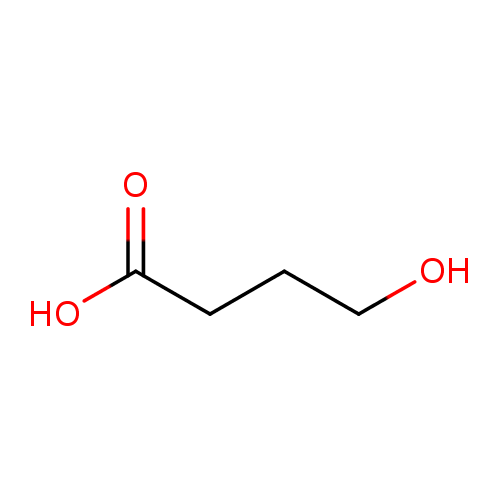
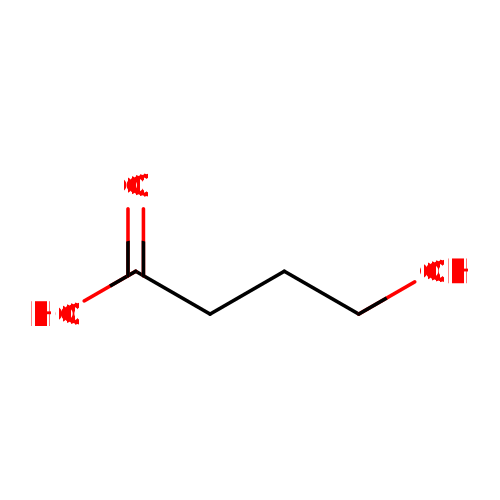
Chemical Structure
Thumb
Synonyms
ValueSource
3-Carboxypropoxy acidChEBI
4-Hydroxy-butyric acidChEBI
4-Hydroxyalkanoic acidChEBI
4-HydroxybutanoateChEBI
4-Hydroxybutanoic acidChEBI
4-Hydroxycarboxylic acidChEBI
Gamma Hydroxybutyric acidChEBI
gamma-Hydroxybutyric acidChEBI
GHBChEBI
Oxy-N-butyric acidChEBI
XyremChEBI
4-Hydroxy-butyrateGenerator
4-HydroxyalkanoateGenerator
4-HydroxycarboxylateGenerator
g HydroxybutyrateGenerator
g Hydroxybutyric acidGenerator
gamma HydroxybutyrateGenerator
Γ hydroxybutyrateGenerator
Γ hydroxybutyric acidGenerator
g-HydroxybutyrateGenerator
g-Hydroxybutyric acidGenerator
gamma-HydroxybutyrateGenerator
Γ-hydroxybutyrateGenerator
Γ-hydroxybutyric acidGenerator
Oxy-N-butyrateGenerator
4-HydroxybutyrateGenerator
4-Hydroxy-butanoateHMDB
4-Hydroxy-butanoic acidHMDB
4-Hydroxybutyrate sodiumHMDB
4-Hydroxybutyric acid monosodium saltHMDB
gamma-Hydroxy butyrateHMDB
gamma-Hydroxy sodium butyrateHMDB
gamma-Hydroxybutyrate sodiumHMDB
Hydroxybutyric acidHMDB
Chemical FormulaC4H8O3
Average Molecular Mass104.105 g/mol
Monoisotopic Mass104.047 g/mol
CAS Registry Number591-81-1
IUPAC Name4-hydroxybutanoic acid
Traditional Namegamma hydroxybutyric acid
SMILESOCCCC(O)=O
InChI IdentifierInChI=1S/C4H8O3/c5-3-1-2-4(6)7/h5H,1-3H2,(H,6,7)
InChI KeySJZRECIVHVDYJC-UHFFFAOYSA-N
Chemical Taxonomy
Description belongs to the class of organic compounds known as hydroxy fatty acids. These are fatty acids in which the chain bears a hydroxyl group.
KingdomOrganic compounds
Super ClassLipids and lipid-like molecules
ClassFatty Acyls
Sub ClassFatty acids and conjugates
Direct ParentHydroxy fatty acids
Alternative Parents
Substituents
  • Short-chain hydroxy acid
  • Hydroxy fatty acid
  • Straight chain fatty acid
  • Monocarboxylic acid or derivatives
  • Carboxylic acid
  • Carboxylic acid derivative
  • Organic oxygen compound
  • Organic oxide
  • Hydrocarbon derivative
  • Primary alcohol
  • Organooxygen compound
  • Carbonyl group
  • Alcohol
  • Aliphatic acyclic compound
Molecular FrameworkAliphatic acyclic compounds
External Descriptors
Biological Properties
StatusDetected and Not Quantified
OriginEndogenous
Cellular Locations
  • Cytoplasm
  • Extracellular
Biofluid LocationsNot Available
Tissue LocationsNot Available
Pathways
NameSMPDB LinkKEGG Link
4-Hydroxybutyric Aciduria/Succinic Semialdehyde Dehydrogenase DeficiencySMP00243 Not Available
Applications
Biological Roles
Chemical RolesNot Available
Physical Properties
StateSolid
AppearanceWhite powder.
Experimental Properties
PropertyValue
Melting PointNot Available
Boiling PointNot Available
SolubilityNot Available
Predicted Properties
PropertyValueSource
Water Solubility494 g/LALOGPS
logP-0.63ALOGPS
logP-0.51ChemAxon
logS0.68ALOGPS
pKa (Strongest Acidic)4.44ChemAxon
pKa (Strongest Basic)-2.4ChemAxon
Physiological Charge-1ChemAxon
Hydrogen Acceptor Count3ChemAxon
Hydrogen Donor Count2ChemAxon
Polar Surface Area57.53 ŲChemAxon
Rotatable Bond Count3ChemAxon
Refractivity23.8 m³·mol⁻¹ChemAxon
Polarizability10.17 ųChemAxon
Number of Rings0ChemAxon
Bioavailability1ChemAxon
Rule of FiveYesChemAxon
Ghose FilterNoChemAxon
Veber's RuleNoChemAxon
MDDR-like RuleNoChemAxon
Spectra
Spectra
Spectrum TypeDescriptionSplash KeyView
GC-MSGC-MS Spectrum - GC-MS (2 TMS)splash10-0159-2920000000-131f94186a93d0aa315dSpectrum
GC-MSGC-MS Spectrum - GC-MS (Non-derivatized)splash10-0159-2920000000-131f94186a93d0aa315dSpectrum
GC-MSGC-MS Spectrum - GC-EI-TOF (Non-derivatized)splash10-0002-0910000000-7240955b6b16291cf793Spectrum
Predicted GC-MSPredicted GC-MS Spectrum - GC-MS (Non-derivatized) - 70eV, Positivesplash10-0a5c-9000000000-915d32c0dbd6e6d19a55Spectrum
Predicted GC-MSPredicted GC-MS Spectrum - GC-MS (2 TMS) - 70eV, Positivesplash10-00di-9610000000-52e5254f6eba257ad184Spectrum
Predicted GC-MSPredicted GC-MS Spectrum - GC-MS (Non-derivatized) - 70eV, PositiveNot AvailableSpectrum
Predicted GC-MSPredicted GC-MS Spectrum - GC-MS (TMS_1_1) - 70eV, PositiveNot AvailableSpectrum
Predicted GC-MSPredicted GC-MS Spectrum - GC-MS (TMS_1_2) - 70eV, PositiveNot AvailableSpectrum
Predicted GC-MSPredicted GC-MS Spectrum - GC-MS (TBDMS_1_1) - 70eV, PositiveNot AvailableSpectrum
Predicted GC-MSPredicted GC-MS Spectrum - GC-MS (TBDMS_1_2) - 70eV, PositiveNot AvailableSpectrum
Predicted GC-MSPredicted GC-MS Spectrum - GC-MS (TBDMS_2_1) - 70eV, PositiveNot AvailableSpectrum
LC-MS/MSLC-MS/MS Spectrum - QqQ 10V, positivesplash10-14ii-9400000000-77378d9d837f1823ed37Spectrum
LC-MS/MSLC-MS/MS Spectrum - Orbitrap 0V, negativesplash10-0udi-0900000000-ca02549abb7c7402b481Spectrum
LC-MS/MSLC-MS/MS Spectrum - Orbitrap 1V, negativesplash10-0udi-0900000000-942af3cd327a2dd39887Spectrum
LC-MS/MSLC-MS/MS Spectrum - Orbitrap 1V, negativesplash10-0udi-1900000000-671c45f3bda2eabba3c1Spectrum
LC-MS/MSLC-MS/MS Spectrum - Orbitrap 1V, negativesplash10-0udi-1900000000-36fabc35679210a4621aSpectrum
LC-MS/MSLC-MS/MS Spectrum - Orbitrap 1V, negativesplash10-0udi-2900000000-146b4ca6698f6c40d476Spectrum
LC-MS/MSLC-MS/MS Spectrum - Orbitrap 2V, negativesplash10-0udi-4900000000-32e86ae76401d830a8a1Spectrum
LC-MS/MSLC-MS/MS Spectrum - Orbitrap 2V, negativesplash10-0udi-8900000000-07fc17585cf5e8d2ba9bSpectrum
LC-MS/MSLC-MS/MS Spectrum - Orbitrap 3V, negativesplash10-0pbi-9400000000-70777a3c6521e72b59b4Spectrum
LC-MS/MSLC-MS/MS Spectrum - n/a 7V, negativesplash10-0a4i-9000000000-cad0cc415c906a783cfcSpectrum
LC-MS/MSLC-MS/MS Spectrum - Orbitrap 3V, negativesplash10-0zg0-9500000000-9dfcd62aeff3ff1e731dSpectrum
LC-MS/MSLC-MS/MS Spectrum - Orbitrap 3V, negativesplash10-0pb9-9300000000-0e1b3056ef85c0fbe59dSpectrum
LC-MS/MSLC-MS/MS Spectrum - Orbitrap 3V, negativesplash10-0a4i-9200000000-144d4f05dfc0b2dbd827Spectrum
LC-MS/MSLC-MS/MS Spectrum - Orbitrap 4V, negativesplash10-0a4i-9100000000-5a807248d180fcc738eeSpectrum
LC-MS/MSLC-MS/MS Spectrum - Orbitrap 5V, negativesplash10-0a4i-9000000000-aeb70e18a8467ef1b4b1Spectrum
LC-MS/MSLC-MS/MS Spectrum - Orbitrap 5V, negativesplash10-0a4i-9000000000-50691ede3dffed6a4afbSpectrum
LC-MS/MSLC-MS/MS Spectrum - Orbitrap 6V, negativesplash10-0a4i-9000000000-13adfaf490932a7c0fb9Spectrum
LC-MS/MSLC-MS/MS Spectrum - n/a 7V, negativesplash10-000i-9000000000-3051dc4fe82b4abf5478Spectrum
LC-MS/MSLC-MS/MS Spectrum - Orbitrap 0V, positivesplash10-0002-0900000000-8f691ae372d6f1d18226Spectrum
Predicted LC-MS/MSPredicted LC-MS/MS Spectrum - 10V, Positivesplash10-000i-9100000000-80636ab7e3cb47d4d58fSpectrum
Predicted LC-MS/MSPredicted LC-MS/MS Spectrum - 20V, Positivesplash10-05n4-9000000000-71899633e269029ab7f9Spectrum
Predicted LC-MS/MSPredicted LC-MS/MS Spectrum - 40V, Positivesplash10-0006-9000000000-910235f5bc92bcca7469Spectrum
Predicted LC-MS/MSPredicted LC-MS/MS Spectrum - 10V, Negativesplash10-0udi-8900000000-5890f0a527dd16d9ac75Spectrum
Predicted LC-MS/MSPredicted LC-MS/MS Spectrum - 20V, Negativesplash10-0k9i-9200000000-241210fedf9304168090Spectrum
Predicted LC-MS/MSPredicted LC-MS/MS Spectrum - 40V, Negativesplash10-0a4l-9000000000-21d09118dfcfcb093f8dSpectrum
MSMass Spectrum (Electron Ionization)splash10-0006-9000000000-d55d971a361b41564681Spectrum
1D NMR13C NMR SpectrumNot AvailableSpectrum
1D NMR1H NMR SpectrumNot AvailableSpectrum
1D NMR13C NMR SpectrumNot AvailableSpectrum
1D NMR1H NMR SpectrumNot AvailableSpectrum
1D NMR13C NMR SpectrumNot AvailableSpectrum
1D NMR1H NMR SpectrumNot AvailableSpectrum
1D NMR13C NMR SpectrumNot AvailableSpectrum
1D NMR1H NMR SpectrumNot AvailableSpectrum
1D NMR13C NMR SpectrumNot AvailableSpectrum
1D NMR1H NMR SpectrumNot AvailableSpectrum
1D NMR13C NMR SpectrumNot AvailableSpectrum
1D NMR1H NMR SpectrumNot AvailableSpectrum
1D NMR13C NMR SpectrumNot AvailableSpectrum
1D NMR1H NMR SpectrumNot AvailableSpectrum
1D NMR13C NMR SpectrumNot AvailableSpectrum
1D NMR1H NMR SpectrumNot AvailableSpectrum
1D NMR13C NMR SpectrumNot AvailableSpectrum
1D NMR1H NMR SpectrumNot AvailableSpectrum
1D NMR13C NMR SpectrumNot AvailableSpectrum
1D NMR1H NMR SpectrumNot AvailableSpectrum
Toxicity Profile
Route of ExposureNot Available
Mechanism of ToxicityGHB reaches much higher concentrations in the brain and activates GABAB receptors, which are primarily responsible for its sedative effects. GHB receptors are densely expressed in many areas of the brain, including the cortex and hippocampus, and these are the receptors that GHB displays the highest affinity for. There has been somewhat limited research into the GHB receptor; however, there is evidence that activation of the GHB receptor in some brain areas results in the release of glutamate, the principal excitatory neurotransmitter. Activation of both the GHB receptor and GABA(B) is responsible for the addictive profile of GHB. GHB's effect on dopamine release is biphasic,[19] low concentrations stimulate dopamine release via the GHB receptor.[20] Higher concentrations inhibit dopamine release via GABA(B) receptors as do other GABA(B) agonists such as baclofen and phenibut.[21] After an initial phase of inhibition, dopamine release is then increased via the GHB receptor. This explains the paradoxical mix of sedative and stimulatory properties of GHB, as well as the so-called "rebound" effect, experienced by individuals using GHB as a sleeping agent, wherein they awake suddenly after several hours of GHB-induced deep sleep. That is to say that, over time, the concentration of GHB in the system decreases below the threshold for significant GABAB receptor activation and activates predominantly the GHB receptor, leading to wakefulness.
Metabolism Route of Elimination: Animal studies indicate that metabolism is the major elimination pathway for sodium oxybate, producing carbon dioxide and water via the tricarboxylic acid (Krebs) cycle and secondarily by beta-oxidation. Succinic acid enters the Krebs cycle where it is metabolized to carbon dioxide and water. Fecal and renal excretion is negligible. 5% renal elimination. Half Life: 30 to 60 minutes
Toxicity ValuesNot Available
Lethal DoseNot Available
Carcinogenicity (IARC Classification)No indication of carcinogenicity to humans (not listed by IARC).
Uses/SourcesUsed as a general anesthetic, to treat conditions such as insomnia, clinical depression, narcolepsy, and alcoholism, and to improve athletic performance.
Minimum Risk LevelNot Available
Health EffectsChronically high levels of 4-hydroxybutyric acid are associated with the inborn errors of metabolism called: 4-Hydroxybutyric Aciduria/Succinic Semialdehyde Dehydrogenase Deficiency.
SymptomsNot Available
TreatmentNot Available
Concentrations
Not Available
DrugBank IDNot Available
HMDB IDHMDB0000710
FooDB IDFDB022196
Phenol Explorer IDNot Available
KNApSAcK IDNot Available
BiGG IDNot Available
BioCyc ID4-HYDROXY-BUTYRATE
METLIN ID5678
PDB IDNot Available
Wikipedia LinkOxybate
Chemspider ID9984
ChEBI ID30830
PubChem Compound ID10413
Kegg Compound IDC01991
YMDB IDNot Available
ECMDB IDECMDB21338
References
Synthesis Reference

Joseph Klosa, “Production of nonhygroscopic salts of 4-hydroxybutyric acid.” U.S. Patent US4393236, issued March, 1963.

MSDSNot Available
General References
1. https://www.ncbi.nlm.nih.gov/pubmed/?term=15927467
2. https://www.ncbi.nlm.nih.gov/pubmed/?term=3361576
3. Takigawa, Shinichiro; Araya, Shuzo. Process for the preparation of g-hydroxybutyric acid as a synthetic intermediate. Jpn. Kokai Tokkyo Koho (1988), 3 pp.
4. Gibson KM, Baumann C, Ogier H, Rossier E, Vollmer B, Jakobs C: Pre- and postnatal diagnosis of succinic semialdehyde dehydrogenase deficiency using enzyme and metabolite assays. J Inherit Metab Dis. 1994;17(6):732-7.
5. Gibson KM, Aramaki S, Sweetman L, Nyhan WL, DeVivo DC, Hodson AK, Jakobs C: Stable isotope dilution analysis of 4-hydroxybutyric acid: an accurate method for quantification in physiological fluids and the prenatal diagnosis of 4-hydroxybutyric aciduria. Biomed Environ Mass Spectrom. 1990 Feb;19(2):89-93.
6. Shinka T, Inoue Y, Ohse M, Ito A, Ohfu M, Hirose S, Kuhara T: Rapid and sensitive detection of urinary 4-hydroxybutyric acid and its related compounds by gas chromatography-mass spectrometry in a patient with succinic semialdehyde dehydrogenase deficiency. J Chromatogr B Analyt Technol Biomed Life Sci. 2002 Aug 25;776(1):57-63.
7. Ergezinger K, Jeschke R, Frauendienst-Egger G, Korall H, Gibson KM, Schuster VH: Monitoring of 4-hydroxybutyric acid levels in body fluids during vigabatrin treatment in succinic semialdehyde dehydrogenase deficiency. Ann Neurol. 2003 Nov;54(5):686-9.
8. Brown GK, Cromby CH, Manning NJ, Pollitt RJ: Urinary organic acids in succinic semialdehyde dehydrogenase deficiency: evidence of alpha-oxidation of 4-hydroxybutyric acid, interaction of succinic semialdehyde with pyruvate dehydrogenase and possible secondary inhibition of mitochondrial beta-oxidation. J Inherit Metab Dis. 1987;10(4):367-75.
9. LeBeau MA, Montgomery MA, Morris-Kukoski C, Schaff JE, Deakin A, Levine B: A comprehensive study on the variations in urinary concentrations of endogenous gamma-hydroxybutyrate (GHB). J Anal Toxicol. 2006 Mar;30(2):98-105.
10. Kankaanpaa A, Liukkonen R, Ariniemi K: Determination of gamma-hydroxybutyrate (GHB) and its precursors in blood and urine samples: a salting-out approach. Forensic Sci Int. 2007 Aug 6;170(2-3):133-8. Epub 2007 Jul 20.
11. Hedner T, Hedner J, Iversen K, Wessberg P, Lundborg P: Gammahydroxybutyric acid: central biochemical and behavioral effects in neonatal rats. Pharmacol Biochem Behav. 1985 Aug;23(2):185-9.
12. van Amsterdam JG, Brunt TM, McMaster MT, Niesink R, van Noorden MS, van den Brink W: [Cognitive impairment due to intensive use and overdoses of gammahydroxybutyric acid (GHB)]. Tijdschr Psychiatr. 2012;54(12):1001-10.
13. Stock G, Heidt H, Buss J, Schlor KH: Sleep patterns in cat induced by gammahydroxybutyric acid. Electroencephalogr Clin Neurophysiol. 1978 Apr;44(4):523-7.
14. Anden NE, Stock G: Inhibitory effect of gammahydroxybutyric acid and gammaaminobutyric acid on the dopamine cells in the substantia nigra. Naunyn Schmiedebergs Arch Pharmacol. 1973;279(1):89-92.
15. Gomes C, Flygt C, Henning M, Norin L, Svensson TH, Trolin G: Gammahydroxy butyric acid: cardiovascular effects in the rat. J Neural Transm. 1976;38(2):123-9.
16. Pedraza C, Garcia FB, Navarro JF: Neurotoxic effects induced by gammahydroxybutyric acid (GHB) in male rats. Int J Neuropsychopharmacol. 2009 Oct;12(9):1165-77. doi: 10.1017/S1461145709000157. Epub 2009 Mar 17.
17. Hedner T, Lundborg P: Effect of gammahydroxybutyric acid on catecholamine synthesis and utilization in the developing rat brain. J Neural Transm. 1982;54(1-2):19-28.
18. Hedner T, Lundborg P: Effect of gammahydroxybutyric acid on serotonin synthesis, concentration and metabolism in the developing rat brain. J Neural Transm. 1983;57(1-2):39-48.
19. Johansson B, Hardebo JE: Cerebrovascular permeability and cerebral blood flow in hypertension induced by gammahydroxybutyric acid. An experimental study in the rat. Acta Neurol Scand. 1982 May;65(5):448-57.
20. Hedner T, Lundborg P: Neurochemical characteristics of cerebral catecholamine neurons during the postnatal development in the rat. Med Biol. 1981 Aug;59(4):212-23.
21. Giorgi O, Rubio MC: Decreased 3H-L-quinuclidinyl benzilate binding and muscarine receptor subsensitivity after chronic gamma-butyrolactone treatment. Naunyn Schmiedebergs Arch Pharmacol. 1981 Dec;318(1):14-8.
22. Anden NE, Wachtel H: Biochemical effects of baclofen (beta-parachlorophenyl-GABA) on the dopamine and the noradrenaline in the rat brain. Acta Pharmacol Toxicol (Copenh). 1977 Feb;40(2):310-20.
23. Stock G: Failure of anticholinergic drugs to antagonize the increase in dopamine seen after gammahydroxybutyric acid and axotomy. J Neural Transm. 1979;44(1-2):137-43.
24. Baumann KW, Kassell NF, Olin J, Yamada T: The effects of gammahydroxybutyric acid on canine cerebral blood flow and metabolism. J Neurosurg. 1982 Aug;57(2):197-202.
25. Stock G, Magnusson T, Anden NE: Increase in brain dopamine after axotomy or treatment with gammahydroxybutyric acid due to elimination of the nerve impulse flow. Naunyn Schmiedebergs Arch Pharmacol. 1973;278(4):347-61.
26. Vulliemoz S, Vanini G, Truffert A, Chizzolini C, Seeck M: Epilepsy and cerebellar ataxia associated with anti-glutamic acid decarboxylase antibodies. J Neurol Neurosurg Psychiatry. 2007 Feb;78(2):187-9.
27. Gessa GL: [Guidelines for the drug therapy of alcoholism]. Recenti Prog Med. 1990 Mar;81(3):171-5.
28. Anden NE, Magnusson T, Stock G: Effects of drugs influencing monoamine mechanisms on the increase in brain dopamine produced by axotomy or treatment with gammahydroxybutyric acid. Naunyn Schmiedebergs Arch Pharmacol. 1973;278(4):363-72.
29. Simons K, Toomre D: Lipid rafts and signal transduction. Nat Rev Mol Cell Biol. 2000 Oct;1(1):31-9.
30. Watson AD: Thematic review series: systems biology approaches to metabolic and cardiovascular disorders. Lipidomics: a global approach to lipid analysis in biological systems. J Lipid Res. 2006 Oct;47(10):2101-11. Epub 2006 Aug 10.
31. Sethi JK, Vidal-Puig AJ: Thematic review series: adipocyte biology. Adipose tissue function and plasticity orchestrate nutritional adaptation. J Lipid Res. 2007 Jun;48(6):1253-62. Epub 2007 Mar 20.
32. Lingwood D, Simons K: Lipid rafts as a membrane-organizing principle. Science. 2010 Jan 1;327(5961):46-50. doi: 10.1126/science.1174621.
33. Zhang L, Shi ZY, Wu Q, Chen GQ: Microbial production of 4-hydroxybutyrate, poly-4-hydroxybutyrate, and poly(3-hydroxybutyrate-co-4-hydroxybutyrate) by recombinant microorganisms. Appl Microbiol Biotechnol. 2009 Oct;84(5):909-16. doi: 10.1007/s00253-009-2023-7. Epub 2009 May 12.
34. The lipid handbook with CD-ROM