Thallium (CHEM002935)
| Record Information | |||||||||||||||||||||||||||||||||||||||||||||||||
|---|---|---|---|---|---|---|---|---|---|---|---|---|---|---|---|---|---|---|---|---|---|---|---|---|---|---|---|---|---|---|---|---|---|---|---|---|---|---|---|---|---|---|---|---|---|---|---|---|---|
| Version | 1.0 | ||||||||||||||||||||||||||||||||||||||||||||||||
| Creation Date | 2014-08-29 04:48:24 UTC | ||||||||||||||||||||||||||||||||||||||||||||||||
| Update Date | 2026-04-17 18:58:36 UTC | ||||||||||||||||||||||||||||||||||||||||||||||||
| Accession Number | CHEM002935 | ||||||||||||||||||||||||||||||||||||||||||||||||
| Identification | |||||||||||||||||||||||||||||||||||||||||||||||||
| Common Name | Thallium | ||||||||||||||||||||||||||||||||||||||||||||||||
| Class | Small Molecule | ||||||||||||||||||||||||||||||||||||||||||||||||
| Description | Thallium is a chemical element with symbol Tl and atomic number 81. This soft gray post-transition metal is not found free in nature. When isolated, it resembles tin, but discolors when exposed to air. Thallium tends to oxidize to the +3 and +1 oxidation states as ionic salts. The +3 state resembles that of the other elements in thallium's group (boron, aluminum, gallium, indium). However, the +1 state, which is far more prominent in thallium than the elements above it, recalls the chemistry of alkali metals, and thallium(I) ions are found geologically mostly in potassium-based ores, and (when ingested) are handled in many ways like potassium ions (K+) by ion pumps in living cells. Thallium and its compounds are extremely toxic, and should be handled with great care. There are numerous recorded cases of fatal thallium poisoning. Contact with skin is dangerous, and adequate ventilation should be provided when melting this metal. | ||||||||||||||||||||||||||||||||||||||||||||||||
| Contaminant Sources |
| ||||||||||||||||||||||||||||||||||||||||||||||||
| Contaminant Type |
| ||||||||||||||||||||||||||||||||||||||||||||||||
| Chemical Structure | 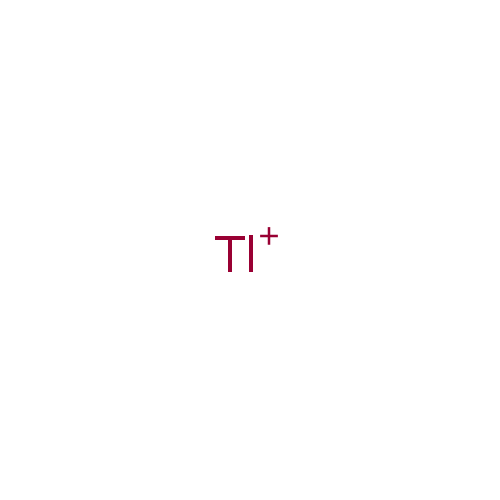 | ||||||||||||||||||||||||||||||||||||||||||||||||
| Synonyms |
| ||||||||||||||||||||||||||||||||||||||||||||||||
| Chemical Formula | Tl | ||||||||||||||||||||||||||||||||||||||||||||||||
| Average Molecular Mass | 204.383 g/mol | ||||||||||||||||||||||||||||||||||||||||||||||||
| Monoisotopic Mass | 204.974 g/mol | ||||||||||||||||||||||||||||||||||||||||||||||||
| CAS Registry Number | 7440-28-0 | ||||||||||||||||||||||||||||||||||||||||||||||||
| IUPAC Name | λ¹-thallanylium | ||||||||||||||||||||||||||||||||||||||||||||||||
| Traditional Name | λ¹-thallanylium | ||||||||||||||||||||||||||||||||||||||||||||||||
| SMILES | [Tl+] | ||||||||||||||||||||||||||||||||||||||||||||||||
| InChI Identifier | InChI=1S/Tl/q+1 | ||||||||||||||||||||||||||||||||||||||||||||||||
| InChI Key | ZLUSCZLCHQSJRU-UHFFFAOYSA-N | ||||||||||||||||||||||||||||||||||||||||||||||||
| Chemical Taxonomy | |||||||||||||||||||||||||||||||||||||||||||||||||
| Description | belongs to the class of inorganic compounds known as homogeneous post-transition metal compounds. These are inorganic compounds containing only metal atoms,with the largest atom being a post-transition metal atom. | ||||||||||||||||||||||||||||||||||||||||||||||||
| Kingdom | Inorganic compounds | ||||||||||||||||||||||||||||||||||||||||||||||||
| Super Class | Homogeneous metal compounds | ||||||||||||||||||||||||||||||||||||||||||||||||
| Class | Homogeneous post-transition metal compounds | ||||||||||||||||||||||||||||||||||||||||||||||||
| Sub Class | Not Available | ||||||||||||||||||||||||||||||||||||||||||||||||
| Direct Parent | Homogeneous post-transition metal compounds | ||||||||||||||||||||||||||||||||||||||||||||||||
| Alternative Parents | Not Available | ||||||||||||||||||||||||||||||||||||||||||||||||
| Substituents |
| ||||||||||||||||||||||||||||||||||||||||||||||||
| Molecular Framework | Not Available | ||||||||||||||||||||||||||||||||||||||||||||||||
| External Descriptors |
| ||||||||||||||||||||||||||||||||||||||||||||||||
| Biological Properties | |||||||||||||||||||||||||||||||||||||||||||||||||
| Status | Detected and Not Quantified | ||||||||||||||||||||||||||||||||||||||||||||||||
| Origin | Exogenous | ||||||||||||||||||||||||||||||||||||||||||||||||
| Cellular Locations |
| ||||||||||||||||||||||||||||||||||||||||||||||||
| Biofluid Locations | Not Available | ||||||||||||||||||||||||||||||||||||||||||||||||
| Tissue Locations | Not Available | ||||||||||||||||||||||||||||||||||||||||||||||||
| Pathways | Not Available | ||||||||||||||||||||||||||||||||||||||||||||||||
| Applications | Not Available | ||||||||||||||||||||||||||||||||||||||||||||||||
| Biological Roles | Not Available | ||||||||||||||||||||||||||||||||||||||||||||||||
| Chemical Roles | Not Available | ||||||||||||||||||||||||||||||||||||||||||||||||
| Physical Properties | |||||||||||||||||||||||||||||||||||||||||||||||||
| State | Solid | ||||||||||||||||||||||||||||||||||||||||||||||||
| Appearance | Silvery white solid. | ||||||||||||||||||||||||||||||||||||||||||||||||
| Experimental Properties |
| ||||||||||||||||||||||||||||||||||||||||||||||||
| Predicted Properties |
| ||||||||||||||||||||||||||||||||||||||||||||||||
| Spectra | |||||||||||||||||||||||||||||||||||||||||||||||||
| Spectra |
| ||||||||||||||||||||||||||||||||||||||||||||||||
| Toxicity Profile | |||||||||||||||||||||||||||||||||||||||||||||||||
| Route of Exposure | Dermal; inhalation; ingestion | ||||||||||||||||||||||||||||||||||||||||||||||||
| Mechanism of Toxicity | Thallium(I) compounds have a high aqueous solubility and are readily absorbed through the skin. Part of the reason for thallium's high toxicity is that, when present in aqueous solution as the univalent thallium(I) ion (Tl+), it exhibits some similarities with essential alkali metal cations, particularly potassium (due to similar atomic radii). It can thus enter the body via potassium uptake pathways. Other aspects of thallium's chemistry differ strongly from that of the alkali metals, such its high affinity for sulfur ligands. Thus this substitution disrupts many cellular processes (for instance, thallium may attack sulfur-containing proteins such as cysteine residues and ferredoxins). (Wikipedia) A 2013 study found evidence that the thallium(I)-induced liver toxicity is a result of the disruptive effect of this metal on the mitochondrial respiratory complexes (I, II, and IV), which are the obvious causes of metal-induced reactive oxygen species formation and ATP depletion. The latter two events, in turn, trigger cell death signaling via opening of mitochondrial permeability transition pore and cytochrome c expulsion. (1) | ||||||||||||||||||||||||||||||||||||||||||||||||
| Metabolism | Thallium is rapidly distributed throughout all tissues of the body. Most thallium is excreted by the faecal route but up to 35% may be excreted by the kidneys. (2) | ||||||||||||||||||||||||||||||||||||||||||||||||
| Toxicity Values | Not Available | ||||||||||||||||||||||||||||||||||||||||||||||||
| Lethal Dose | The lethal dose is around 15 to 20 mg per kg body weight but serious toxicity and even death can occur with rather less. (2) | ||||||||||||||||||||||||||||||||||||||||||||||||
| Carcinogenicity (IARC Classification) | No indication of carcinogenicity to humans (not listed by IARC). | ||||||||||||||||||||||||||||||||||||||||||||||||
| Uses/Sources | Thallium(I) ions are found geologically mostly in potassium-based ores. Commercially, however, thallium is produced not from potassium ores, but as a byproduct from refining of heavy metal sulfide ores. Approximately 60–70% of thallium production is used in the electronics industry, and the remainder is used in the pharmaceutical industry and in glass manufacturing. It is also used in infrared detectors. The radioisotope thallium-201 (as the soluble chloride TlCl) is used in small, nontoxic amounts as an agent in a nuclear medicine scan, during one type of nuclear cardiac stress test. Soluble thallium salts were historically used in rat poisons and insecticides. Because of its historic popularity as a murder weapon, thallium has gained notoriety as "the poisoner's poison" and "inheritance powder" (alongside arsenic). (Wikipedia) | ||||||||||||||||||||||||||||||||||||||||||||||||
| Minimum Risk Level | Not Available | ||||||||||||||||||||||||||||||||||||||||||||||||
| Health Effects | Among the distinctive effects of thallium poisoning are loss of hair (which led to its initial use as a depilatory before its toxicity was properly appreciated) and damage to peripheral nerves (victims may experience a sensation of walking on hot coals), although the loss of hair only generally occurs in low doses; in high doses the thallium kills before this can take effect. (Wikipedia) Thallium toxicity is complex and severe. It affects several systems in human body, including liver, gastrointestinal, cardiovascular, reproductive, renal, and nervous systems. Among them, liver is an important organ which possibly assists metabolic reduction of metals; hence, it could be a noticeable organ for thallium toxicity. This is confirmed by the other study on thallium-induced toxicity in experimental animals which reported highest accumulation in liver, kidney, and ileum. (1) | ||||||||||||||||||||||||||||||||||||||||||||||||
| Symptoms | Nausea and vomiting; painful peripheral neuropathy; alopecia. (2) | ||||||||||||||||||||||||||||||||||||||||||||||||
| Treatment | One of the main methods of removing thallium (both radioactive and normal) from humans is to use Prussian blue, which is a material which absorbs thallium. Up to 20 g per day of Prussian blue is fed by mouth to the person, and it passes through their digestive system and comes out in the stool. Hemodialysis and hemoperfusion are also used to remove thallium from the blood serum. At later stage of the treatment additional potassium is used to mobilize thallium from the tissue. | ||||||||||||||||||||||||||||||||||||||||||||||||
| Concentrations | |||||||||||||||||||||||||||||||||||||||||||||||||
| Not Available | |||||||||||||||||||||||||||||||||||||||||||||||||
| External Links | |||||||||||||||||||||||||||||||||||||||||||||||||
| DrugBank ID | Not Available | ||||||||||||||||||||||||||||||||||||||||||||||||
| HMDB ID | Not Available | ||||||||||||||||||||||||||||||||||||||||||||||||
| FooDB ID | Not Available | ||||||||||||||||||||||||||||||||||||||||||||||||
| Phenol Explorer ID | Not Available | ||||||||||||||||||||||||||||||||||||||||||||||||
| KNApSAcK ID | Not Available | ||||||||||||||||||||||||||||||||||||||||||||||||
| BiGG ID | Not Available | ||||||||||||||||||||||||||||||||||||||||||||||||
| BioCyc ID | Not Available | ||||||||||||||||||||||||||||||||||||||||||||||||
| METLIN ID | Not Available | ||||||||||||||||||||||||||||||||||||||||||||||||
| PDB ID | Not Available | ||||||||||||||||||||||||||||||||||||||||||||||||
| Wikipedia Link | Thallium | ||||||||||||||||||||||||||||||||||||||||||||||||
| Chemspider ID | Not Available | ||||||||||||||||||||||||||||||||||||||||||||||||
| ChEBI ID | 49920 | ||||||||||||||||||||||||||||||||||||||||||||||||
| PubChem Compound ID | 105005 | ||||||||||||||||||||||||||||||||||||||||||||||||
| Kegg Compound ID | Not Available | ||||||||||||||||||||||||||||||||||||||||||||||||
| YMDB ID | Not Available | ||||||||||||||||||||||||||||||||||||||||||||||||
| ECMDB ID | Not Available | ||||||||||||||||||||||||||||||||||||||||||||||||
| References | |||||||||||||||||||||||||||||||||||||||||||||||||
| Synthesis Reference | Not Available | ||||||||||||||||||||||||||||||||||||||||||||||||
| MSDS | Not Available | ||||||||||||||||||||||||||||||||||||||||||||||||
| General References | Not Available | ||||||||||||||||||||||||||||||||||||||||||||||||