Molybdenum (CHEM002917)
| Record Information | ||||||||||||||||||||||||||||||||||||||||||||||
|---|---|---|---|---|---|---|---|---|---|---|---|---|---|---|---|---|---|---|---|---|---|---|---|---|---|---|---|---|---|---|---|---|---|---|---|---|---|---|---|---|---|---|---|---|---|---|
| Version | 1.0 | |||||||||||||||||||||||||||||||||||||||||||||
| Creation Date | 2014-08-29 04:47:13 UTC | |||||||||||||||||||||||||||||||||||||||||||||
| Update Date | 2026-05-14 19:07:17 UTC | |||||||||||||||||||||||||||||||||||||||||||||
| Accession Number | CHEM002917 | |||||||||||||||||||||||||||||||||||||||||||||
| Identification | ||||||||||||||||||||||||||||||||||||||||||||||
| Common Name | Molybdenum | |||||||||||||||||||||||||||||||||||||||||||||
| Class | Small Molecule | |||||||||||||||||||||||||||||||||||||||||||||
| Description | Molybdenum is a transition metal with the atomic symbol Mo, atomic number 42, and atomic weight 95.94. The pure metal is silvery white in color, fairly soft, and has one of the highest melting points of all pure elements. Physiologically, it exists as an ion in the body. It is an essential trace element, being a component of the enzymes xanthine oxidase, aldehyde oxidase, and nitrate reductase. There is a trace requirement for molybdenum in plants, and soils can be barren due to molybdenum deficiencies. Plants and animals generally have molybdenum present in amounts of a few parts per million. In animals molybdenum is a cofactor of the enzyme xanthine oxidase which is involved in the pathways of purine degradation and formation of uric acid. In some animals, adding a small amount of dietary molybdenum enhances growth. Francis Crick suggested that since molybdenum is an essential trace element that plays an important role in many enzymatic reactions, despite being less abundant than the more common elements, such as chromium and nickel, that perhaps this fact is indicative of Panspermia. Crick theorized that if it could be shown that the elements represented in terrestrial living organisms correlate closely with those that are abundant in some class of star - molybdenum stars, for example, that this would provide evidence of such Directed Panspermia. In small quantities, molybdenum is effective at hardening steel. Molybdenum is important in plant nutrition, and is found in certain enzymes, including xanthine oxidase. Molybdenum is used to this day in high-strength alloys and in high-temperature steels. Special molybdenum-containing alloys, such as the Hastelloys, are notably heat-resistant and corrosion-resistant. Molybdenum is used in oil pipelines, aircraft and missile parts, and in filaments. Molybdenum finds use as a catalyst in the petroleum industry, especially in catalysts for removing organic sulfurs from petroleum products. It is used to form the anode in some x-ray tubes, particularly in mammography applications. And is found in some electronic applications as the conductive metal layers in thin-film transistors (TFTs). Molybdenum disulfide is a good lubricant, especially at high temperatures. And Mo-99 is used in the nuclear isotope industry. Molybdenum pigments range from red-yellow to a bright red orange and are used in paints, inks, plastics, and rubber compounds. | |||||||||||||||||||||||||||||||||||||||||||||
| Contaminant Sources |
| |||||||||||||||||||||||||||||||||||||||||||||
| Contaminant Type |
| |||||||||||||||||||||||||||||||||||||||||||||
| Chemical Structure | 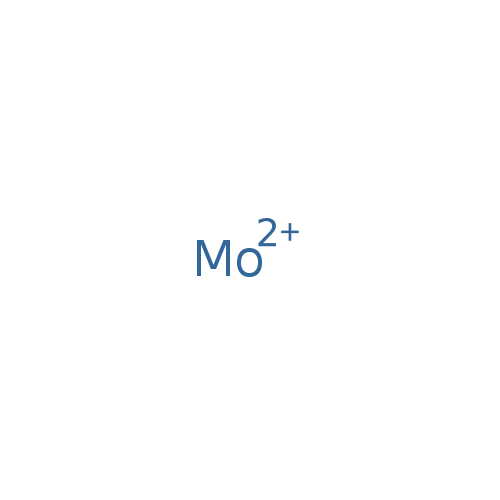 | |||||||||||||||||||||||||||||||||||||||||||||
| Synonyms |
| |||||||||||||||||||||||||||||||||||||||||||||
| Chemical Formula | Mo | |||||||||||||||||||||||||||||||||||||||||||||
| Average Molecular Mass | 95.940 g/mol | |||||||||||||||||||||||||||||||||||||||||||||
| Monoisotopic Mass | 97.905 g/mol | |||||||||||||||||||||||||||||||||||||||||||||
| CAS Registry Number | 7439-98-7 | |||||||||||||||||||||||||||||||||||||||||||||
| IUPAC Name | molybdenum | |||||||||||||||||||||||||||||||||||||||||||||
| Traditional Name | molybdenum(2+) ion | |||||||||||||||||||||||||||||||||||||||||||||
| SMILES | [Mo++] | |||||||||||||||||||||||||||||||||||||||||||||
| InChI Identifier | InChI=1S/Mo/q+2 | |||||||||||||||||||||||||||||||||||||||||||||
| InChI Key | MMVYPOCJESWGTC-UHFFFAOYSA-N | |||||||||||||||||||||||||||||||||||||||||||||
| Chemical Taxonomy | ||||||||||||||||||||||||||||||||||||||||||||||
| Description | belongs to the class of inorganic compounds known as homogeneous transition metal compounds. These are inorganic compounds containing only metal atoms,with the largest atom being a transition metal atom. | |||||||||||||||||||||||||||||||||||||||||||||
| Kingdom | Inorganic compounds | |||||||||||||||||||||||||||||||||||||||||||||
| Super Class | Homogeneous metal compounds | |||||||||||||||||||||||||||||||||||||||||||||
| Class | Homogeneous transition metal compounds | |||||||||||||||||||||||||||||||||||||||||||||
| Sub Class | Not Available | |||||||||||||||||||||||||||||||||||||||||||||
| Direct Parent | Homogeneous transition metal compounds | |||||||||||||||||||||||||||||||||||||||||||||
| Alternative Parents | Not Available | |||||||||||||||||||||||||||||||||||||||||||||
| Substituents |
| |||||||||||||||||||||||||||||||||||||||||||||
| Molecular Framework | Not Available | |||||||||||||||||||||||||||||||||||||||||||||
| External Descriptors |
| |||||||||||||||||||||||||||||||||||||||||||||
| Biological Properties | ||||||||||||||||||||||||||||||||||||||||||||||
| Status | Detected and Not Quantified | |||||||||||||||||||||||||||||||||||||||||||||
| Origin | Exogenous | |||||||||||||||||||||||||||||||||||||||||||||
| Cellular Locations |
| |||||||||||||||||||||||||||||||||||||||||||||
| Biofluid Locations | Not Available | |||||||||||||||||||||||||||||||||||||||||||||
| Tissue Locations |
| |||||||||||||||||||||||||||||||||||||||||||||
| Pathways | Not Available | |||||||||||||||||||||||||||||||||||||||||||||
| Applications | Not Available | |||||||||||||||||||||||||||||||||||||||||||||
| Biological Roles | ||||||||||||||||||||||||||||||||||||||||||||||
| Chemical Roles | Not Available | |||||||||||||||||||||||||||||||||||||||||||||
| Physical Properties | ||||||||||||||||||||||||||||||||||||||||||||||
| State | Solid | |||||||||||||||||||||||||||||||||||||||||||||
| Appearance | White powder. | |||||||||||||||||||||||||||||||||||||||||||||
| Experimental Properties |
| |||||||||||||||||||||||||||||||||||||||||||||
| Predicted Properties |
| |||||||||||||||||||||||||||||||||||||||||||||
| Spectra | ||||||||||||||||||||||||||||||||||||||||||||||
| Spectra |
| |||||||||||||||||||||||||||||||||||||||||||||
| Toxicity Profile | ||||||||||||||||||||||||||||||||||||||||||||||
| Route of Exposure | Ingestion; inhalation | |||||||||||||||||||||||||||||||||||||||||||||
| Mechanism of Toxicity | High levels of molybdenum can interfere with the body's uptake of copper, producing copper deficiency. Molybdenum prevents plasma proteins from binding to copper, and it also increases the amount of copper that is excreted in urine. Molybdenum dusts and fumes, which can be generated by mining or metalworking, can be toxic, especially if ingested (including dust trapped in the sinuses and later swallowed). (Wikipedia) | |||||||||||||||||||||||||||||||||||||||||||||
| Metabolism | Not Available | |||||||||||||||||||||||||||||||||||||||||||||
| Toxicity Values | Not Available | |||||||||||||||||||||||||||||||||||||||||||||
| Lethal Dose | Not Available | |||||||||||||||||||||||||||||||||||||||||||||
| Carcinogenicity (IARC Classification) | No indication of carcinogenicity to humans (not listed by IARC). | |||||||||||||||||||||||||||||||||||||||||||||
| Uses/Sources | Molybdenum is important in plant nutrition, and is found in certain enzymes, including xanthine oxidase. Molybdenum is used to this day in high-strength alloys and in high-temperature steels. Molybdenum is used in oil pipelines, aircraft and missile parts, and in filaments. It is used to form the anode in some x-ray tubes, particularly in mammography applications. And is found in some electronic applications as the conductive metal layers in thin-film transistors (TFTs). And Mo-99 is used in the nuclear isotope industry. Molybdenum pigments range from red-yellow to a bright red orange and are used in paints, inks, plastics, and rubber compounds. | |||||||||||||||||||||||||||||||||||||||||||||
| Minimum Risk Level | Not Available | |||||||||||||||||||||||||||||||||||||||||||||
| Health Effects | Not Available | |||||||||||||||||||||||||||||||||||||||||||||
| Symptoms | Not Available | |||||||||||||||||||||||||||||||||||||||||||||
| Treatment | Not Available | |||||||||||||||||||||||||||||||||||||||||||||
| Concentrations | ||||||||||||||||||||||||||||||||||||||||||||||
| Not Available | ||||||||||||||||||||||||||||||||||||||||||||||
| External Links | ||||||||||||||||||||||||||||||||||||||||||||||
| DrugBank ID | Not Available | |||||||||||||||||||||||||||||||||||||||||||||
| HMDB ID | HMDB0001302 | |||||||||||||||||||||||||||||||||||||||||||||
| FooDB ID | FDB003653 | |||||||||||||||||||||||||||||||||||||||||||||
| Phenol Explorer ID | Not Available | |||||||||||||||||||||||||||||||||||||||||||||
| KNApSAcK ID | Not Available | |||||||||||||||||||||||||||||||||||||||||||||
| BiGG ID | Not Available | |||||||||||||||||||||||||||||||||||||||||||||
| BioCyc ID | Not Available | |||||||||||||||||||||||||||||||||||||||||||||
| METLIN ID | Not Available | |||||||||||||||||||||||||||||||||||||||||||||
| PDB ID | Not Available | |||||||||||||||||||||||||||||||||||||||||||||
| Wikipedia Link | Molybdenum | |||||||||||||||||||||||||||||||||||||||||||||
| Chemspider ID | 161267 | |||||||||||||||||||||||||||||||||||||||||||||
| ChEBI ID | 28685 | |||||||||||||||||||||||||||||||||||||||||||||
| PubChem Compound ID | 185498 | |||||||||||||||||||||||||||||||||||||||||||||
| Kegg Compound ID | C00150 | |||||||||||||||||||||||||||||||||||||||||||||
| YMDB ID | Not Available | |||||||||||||||||||||||||||||||||||||||||||||
| ECMDB ID | ECMDB21390 | |||||||||||||||||||||||||||||||||||||||||||||
| References | ||||||||||||||||||||||||||||||||||||||||||||||
| Synthesis Reference | Not Available | |||||||||||||||||||||||||||||||||||||||||||||
| MSDS | Link | |||||||||||||||||||||||||||||||||||||||||||||
| General References | ||||||||||||||||||||||||||||||||||||||||||||||