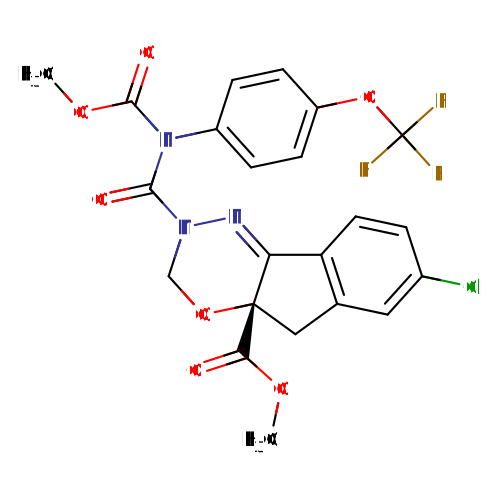
Indoxacarb (CHEM002825)
| Record Information | ||||||||||||||||||||||||||||||||||||||||||||||||||||||||||
|---|---|---|---|---|---|---|---|---|---|---|---|---|---|---|---|---|---|---|---|---|---|---|---|---|---|---|---|---|---|---|---|---|---|---|---|---|---|---|---|---|---|---|---|---|---|---|---|---|---|---|---|---|---|---|---|---|---|---|
| Version | 1.0 | |||||||||||||||||||||||||||||||||||||||||||||||||||||||||
| Creation Date | 2013-04-25 07:56:52 UTC | |||||||||||||||||||||||||||||||||||||||||||||||||||||||||
| Update Date | 2026-04-06 04:06:06 UTC | |||||||||||||||||||||||||||||||||||||||||||||||||||||||||
| Accession Number | CHEM002825 | |||||||||||||||||||||||||||||||||||||||||||||||||||||||||
| Identification | ||||||||||||||||||||||||||||||||||||||||||||||||||||||||||
| Common Name | Indoxacarb | |||||||||||||||||||||||||||||||||||||||||||||||||||||||||
| Class | Small Molecule | |||||||||||||||||||||||||||||||||||||||||||||||||||||||||
| Description | Indoxacarb is an oxadiazine pesticide developed by DuPont that acts against lepidopteran larvae. It is marketed under the names Indoxacarb Technical Insecticide, Steward Insecticide and Avaunt Insecticide. It is also used as the active ingredient in DuPont's line of commercial pesticides: Advion and Arilon. | |||||||||||||||||||||||||||||||||||||||||||||||||||||||||
| Contaminant Sources |
| |||||||||||||||||||||||||||||||||||||||||||||||||||||||||
| Contaminant Type |
| |||||||||||||||||||||||||||||||||||||||||||||||||||||||||
| Chemical Structure | 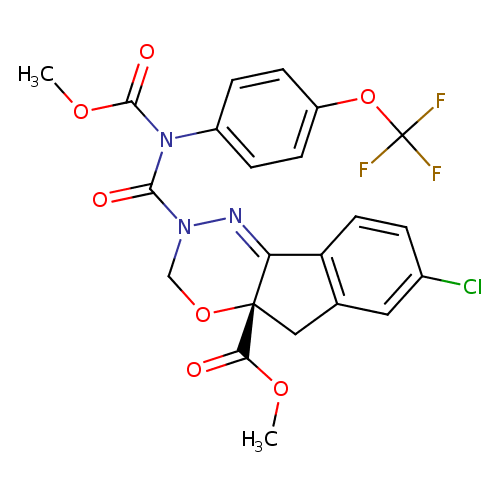 | |||||||||||||||||||||||||||||||||||||||||||||||||||||||||
| Synonyms |
| |||||||||||||||||||||||||||||||||||||||||||||||||||||||||
| Chemical Formula | C22H17ClF3N3O7 | |||||||||||||||||||||||||||||||||||||||||||||||||||||||||
| Average Molecular Mass | 527.834 g/mol | |||||||||||||||||||||||||||||||||||||||||||||||||||||||||
| Monoisotopic Mass | 527.071 g/mol | |||||||||||||||||||||||||||||||||||||||||||||||||||||||||
| CAS Registry Number | 173584-44-6 | |||||||||||||||||||||||||||||||||||||||||||||||||||||||||
| IUPAC Name | methyl (4aS)-7-chloro-2-{[(methoxycarbonyl)[4-(trifluoromethoxy)phenyl]amino]carbonyl}-2H,3H,4aH,5H-indeno[1,2-e][1,3,4]oxadiazine-4a-carboxylate | |||||||||||||||||||||||||||||||||||||||||||||||||||||||||
| Traditional Name | avent | |||||||||||||||||||||||||||||||||||||||||||||||||||||||||
| SMILES | COC(=O)N(C(=O)N1CO[C@]2(CC3=C(C=CC(Cl)=C3)C2=N1)C(=O)OC)C1=CC=C(OC(F)(F)F)C=C1 | |||||||||||||||||||||||||||||||||||||||||||||||||||||||||
| InChI Identifier | InChI=1S/C22H17ClF3N3O7/c1-33-18(30)21-10-12-9-13(23)3-8-16(12)17(21)27-28(11-35-21)19(31)29(20(32)34-2)14-4-6-15(7-5-14)36-22(24,25)26/h3-9H,10-11H2,1-2H3/t21-/m0/s1 | |||||||||||||||||||||||||||||||||||||||||||||||||||||||||
| InChI Key | VBCVPMMZEGZULK-NRFANRHFSA-N | |||||||||||||||||||||||||||||||||||||||||||||||||||||||||
| Chemical Taxonomy | ||||||||||||||||||||||||||||||||||||||||||||||||||||||||||
| Description | belongs to the class of organic compounds known as phenylcarbamic acid esters. These are ester derivatives of phenylcarbamic acids. | |||||||||||||||||||||||||||||||||||||||||||||||||||||||||
| Kingdom | Organic compounds | |||||||||||||||||||||||||||||||||||||||||||||||||||||||||
| Super Class | Benzenoids | |||||||||||||||||||||||||||||||||||||||||||||||||||||||||
| Class | Benzene and substituted derivatives | |||||||||||||||||||||||||||||||||||||||||||||||||||||||||
| Sub Class | Phenylcarbamic acid esters | |||||||||||||||||||||||||||||||||||||||||||||||||||||||||
| Direct Parent | Phenylcarbamic acid esters | |||||||||||||||||||||||||||||||||||||||||||||||||||||||||
| Alternative Parents |
| |||||||||||||||||||||||||||||||||||||||||||||||||||||||||
| Substituents |
| |||||||||||||||||||||||||||||||||||||||||||||||||||||||||
| Molecular Framework | Aromatic heteropolycyclic compounds | |||||||||||||||||||||||||||||||||||||||||||||||||||||||||
| External Descriptors |
| |||||||||||||||||||||||||||||||||||||||||||||||||||||||||
| Biological Properties | ||||||||||||||||||||||||||||||||||||||||||||||||||||||||||
| Status | Detected and Not Quantified | |||||||||||||||||||||||||||||||||||||||||||||||||||||||||
| Origin | Exogenous | |||||||||||||||||||||||||||||||||||||||||||||||||||||||||
| Cellular Locations |
| |||||||||||||||||||||||||||||||||||||||||||||||||||||||||
| Biofluid Locations | Not Available | |||||||||||||||||||||||||||||||||||||||||||||||||||||||||
| Tissue Locations | Not Available | |||||||||||||||||||||||||||||||||||||||||||||||||||||||||
| Pathways | Not Available | |||||||||||||||||||||||||||||||||||||||||||||||||||||||||
| Applications | Not Available | |||||||||||||||||||||||||||||||||||||||||||||||||||||||||
| Biological Roles | ||||||||||||||||||||||||||||||||||||||||||||||||||||||||||
| Chemical Roles | Not Available | |||||||||||||||||||||||||||||||||||||||||||||||||||||||||
| Physical Properties | ||||||||||||||||||||||||||||||||||||||||||||||||||||||||||
| State | Solid | |||||||||||||||||||||||||||||||||||||||||||||||||||||||||
| Appearance | White powder. | |||||||||||||||||||||||||||||||||||||||||||||||||||||||||
| Experimental Properties |
| |||||||||||||||||||||||||||||||||||||||||||||||||||||||||
| Predicted Properties |
| |||||||||||||||||||||||||||||||||||||||||||||||||||||||||
| Spectra | ||||||||||||||||||||||||||||||||||||||||||||||||||||||||||
| Spectra |
| |||||||||||||||||||||||||||||||||||||||||||||||||||||||||
| Toxicity Profile | ||||||||||||||||||||||||||||||||||||||||||||||||||||||||||
| Route of Exposure | Ingestion | |||||||||||||||||||||||||||||||||||||||||||||||||||||||||
| Mechanism of Toxicity | It is thought that indoxacarb's aromatic metabolites biotransform to active intermediates that produce methemoglobin (3). The mechanism of indoxacarb-induced renal injury and metabolic acidosis in humans remains unclear. (3) It has been suggested that acute kidney injury results from indoxacarb-induced circulatory shock (2). Rhabdomyolysis may have been induced by methemoglobinemia (2). | |||||||||||||||||||||||||||||||||||||||||||||||||||||||||
| Metabolism | Metabolism in rats after oral dosing noted that most of the dose was excreted within 96 h. In urine, metabolites were cleaved products (indane or trifluoromethoxyphenyl ring products), whereas in feces, major metabolites retained both these moieties. Major metabolic reactions included hydroxylation of the indane ring, hydrolysis of the carboxymethyl group from the amino nitrogen, and opening of the oxadiazine ring, which gave rise to cleaved products. (1) | |||||||||||||||||||||||||||||||||||||||||||||||||||||||||
| Toxicity Values | Not Available | |||||||||||||||||||||||||||||||||||||||||||||||||||||||||
| Lethal Dose | Not Available | |||||||||||||||||||||||||||||||||||||||||||||||||||||||||
| Carcinogenicity (IARC Classification) | No indication of carcinogenicity to humans (not listed by IARC). | |||||||||||||||||||||||||||||||||||||||||||||||||||||||||
| Uses/Sources | This is a man-made compound that is used as an insecticide. | |||||||||||||||||||||||||||||||||||||||||||||||||||||||||
| Minimum Risk Level | Not Available | |||||||||||||||||||||||||||||||||||||||||||||||||||||||||
| Health Effects | Acute ingestion of indoxacarb causes methemoglobinemia (1). Indoxacarb poisoning has also been associated with acute kidney injury, involving acute renal failure and severe metabolic acidosis (3). A case involving rhabdomyolysis, in addition to methemoglobinemia and acute kidney injury, has also been reported (2). | |||||||||||||||||||||||||||||||||||||||||||||||||||||||||
| Symptoms | Human toxicity includes eye irritation, blurred vision, skin sensitization with allergic rashes, alteration in blood cell counts, and/or anemia (1). As methemoglobin levels increase, typical symptoms develop. Levels of 20 – 50% will cause respiratory distress, dizziness, headache, and fatigue as in this case. Lethargy and stupor develop at levels around 50% and death may occur around 70%. (2) | |||||||||||||||||||||||||||||||||||||||||||||||||||||||||
| Treatment | Very few case reports of acute indoxacarb ingestion are reported in the literature. Reported treatments commonly involve treatment with methylene blue (1) (3) (2). Severe metabolic acidosis was treated with continuous veno-venous hemofiltration (CVVHF) and bicarbonate (NaHCO3) (3). | |||||||||||||||||||||||||||||||||||||||||||||||||||||||||
| Concentrations | ||||||||||||||||||||||||||||||||||||||||||||||||||||||||||
| Not Available | ||||||||||||||||||||||||||||||||||||||||||||||||||||||||||
| External Links | ||||||||||||||||||||||||||||||||||||||||||||||||||||||||||
| DrugBank ID | Not Available | |||||||||||||||||||||||||||||||||||||||||||||||||||||||||
| HMDB ID | Not Available | |||||||||||||||||||||||||||||||||||||||||||||||||||||||||
| FooDB ID | Not Available | |||||||||||||||||||||||||||||||||||||||||||||||||||||||||
| Phenol Explorer ID | Not Available | |||||||||||||||||||||||||||||||||||||||||||||||||||||||||
| KNApSAcK ID | Not Available | |||||||||||||||||||||||||||||||||||||||||||||||||||||||||
| BiGG ID | Not Available | |||||||||||||||||||||||||||||||||||||||||||||||||||||||||
| BioCyc ID | Not Available | |||||||||||||||||||||||||||||||||||||||||||||||||||||||||
| METLIN ID | Not Available | |||||||||||||||||||||||||||||||||||||||||||||||||||||||||
| PDB ID | Not Available | |||||||||||||||||||||||||||||||||||||||||||||||||||||||||
| Wikipedia Link | Indoxacarb | |||||||||||||||||||||||||||||||||||||||||||||||||||||||||
| Chemspider ID | Not Available | |||||||||||||||||||||||||||||||||||||||||||||||||||||||||
| ChEBI ID | 38630 | |||||||||||||||||||||||||||||||||||||||||||||||||||||||||
| PubChem Compound ID | 107720 | |||||||||||||||||||||||||||||||||||||||||||||||||||||||||
| Kegg Compound ID | C18569 | |||||||||||||||||||||||||||||||||||||||||||||||||||||||||
| YMDB ID | Not Available | |||||||||||||||||||||||||||||||||||||||||||||||||||||||||
| ECMDB ID | Not Available | |||||||||||||||||||||||||||||||||||||||||||||||||||||||||
| References | ||||||||||||||||||||||||||||||||||||||||||||||||||||||||||
| Synthesis Reference | Not Available | |||||||||||||||||||||||||||||||||||||||||||||||||||||||||
| MSDS | Not Available | |||||||||||||||||||||||||||||||||||||||||||||||||||||||||
| General References | Not Available | |||||||||||||||||||||||||||||||||||||||||||||||||||||||||