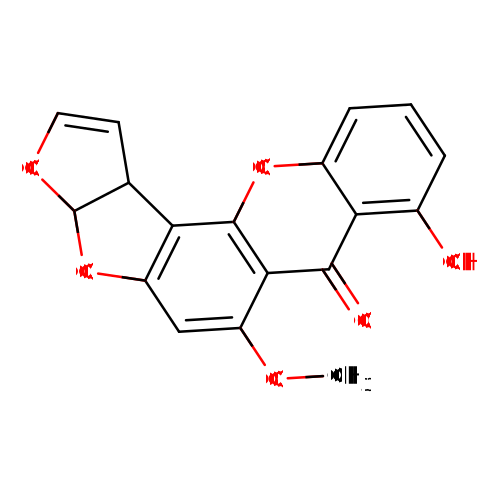
Sterigmatocystin (CHEM002632)
| Record Information | |||||||||||||||||||||||||||||||||||||||||||||||||||||||||||||||||
|---|---|---|---|---|---|---|---|---|---|---|---|---|---|---|---|---|---|---|---|---|---|---|---|---|---|---|---|---|---|---|---|---|---|---|---|---|---|---|---|---|---|---|---|---|---|---|---|---|---|---|---|---|---|---|---|---|---|---|---|---|---|---|---|---|---|
| Version | 1.0 | ||||||||||||||||||||||||||||||||||||||||||||||||||||||||||||||||
| Creation Date | 2009-12-22 22:31:14 UTC | ||||||||||||||||||||||||||||||||||||||||||||||||||||||||||||||||
| Update Date | 2026-04-03 09:13:56 UTC | ||||||||||||||||||||||||||||||||||||||||||||||||||||||||||||||||
| Accession Number | CHEM002632 | ||||||||||||||||||||||||||||||||||||||||||||||||||||||||||||||||
| Identification | |||||||||||||||||||||||||||||||||||||||||||||||||||||||||||||||||
| Common Name | Sterigmatocystin | ||||||||||||||||||||||||||||||||||||||||||||||||||||||||||||||||
| Class | Small Molecule | ||||||||||||||||||||||||||||||||||||||||||||||||||||||||||||||||
| Description | Sterigmatocystin is a mycotoxin of Aspergillus versicolor and Chaetomium species Sterigmatocystin is a poison of the type dermatoxin, from the fungi genus Aspergillus. It appears on crusts of cheese with mold. Sterigmatocystin is a toxic metabolite structurally closely related to the aflatoxins (compare general fact sheet number 2), and consists of a xanthone nucleus attached to a bifuran structure. Sterigmatocystin is mainly produced by the fungi Aspergillus nidulans and A. versicolor. It has been reported in mouldy grain, green coffee beans and cheese although information on its occurrence in foods is limited. It appears to occur much less frequently than the aflatoxins, although analytical methods for its determination have not been as sensitive until recently, and so it is possible that small concentrations in food commodities may not always have been detected. Although it is a potent liver carcinogen similar to aflatoxin B1, current knowledge suggests that it is nowhere near as widespread in its occurrence. If this is the true situation it would be justified to consider sterigmatocystin as no more than a risk to consumers in special or unusual circumstances. Sterigmatocystin is a number of closely related compounds such o-methyl sterigmatocystin are known and some may also occur naturally. The IARC-classification of sterigmatocystin is group 2B, which means it is possibly carcinogenic to humans. In practice, the risk is quite low however, because this substance only appears on cheese crusts with mold, and because of that the chance of daily exposure is very low. Sterigmatocystin is a molded crust is best not to be consumed in whole, but after removing the crust, the cheese can still be consumed. Sterigmatocystin is a different kind of mold than that which appears on cheese itself, which can simply be removed before further consumption. Sterigmatocystin belongs to the family of Sterigmatocystins. These are phenolic compounds whose structure is based on the sterigmatocystin skeleton, a polycyclic aromatic moiety characterized by a furo[3',2':4,5]furan fused to a xanthen-7-one. | ||||||||||||||||||||||||||||||||||||||||||||||||||||||||||||||||
| Contaminant Sources |
| ||||||||||||||||||||||||||||||||||||||||||||||||||||||||||||||||
| Contaminant Type |
| ||||||||||||||||||||||||||||||||||||||||||||||||||||||||||||||||
| Chemical Structure | 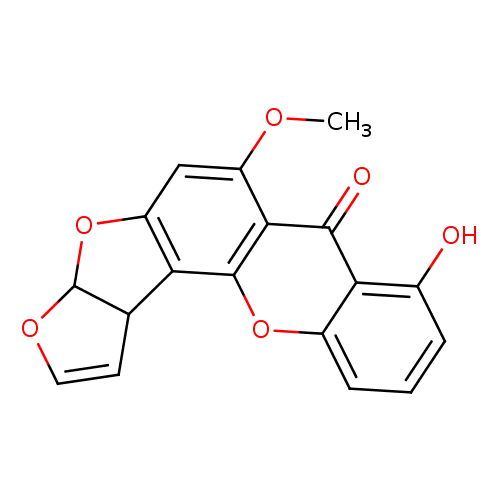 | ||||||||||||||||||||||||||||||||||||||||||||||||||||||||||||||||
| Synonyms |
| ||||||||||||||||||||||||||||||||||||||||||||||||||||||||||||||||
| Chemical Formula | C18H12O6 | ||||||||||||||||||||||||||||||||||||||||||||||||||||||||||||||||
| Average Molecular Mass | 324.284 g/mol | ||||||||||||||||||||||||||||||||||||||||||||||||||||||||||||||||
| Monoisotopic Mass | 324.063 g/mol | ||||||||||||||||||||||||||||||||||||||||||||||||||||||||||||||||
| CAS Registry Number | 10048-13-2 | ||||||||||||||||||||||||||||||||||||||||||||||||||||||||||||||||
| IUPAC Name | 15-hydroxy-11-methoxy-6,8,20-trioxapentacyclo[10.8.0.0²,⁹.0³,⁷.0¹⁴,¹⁹]icosa-1(12),2(9),4,10,14,16,18-heptaen-13-one | ||||||||||||||||||||||||||||||||||||||||||||||||||||||||||||||||
| Traditional Name | 15-hydroxy-11-methoxy-6,8,20-trioxapentacyclo[10.8.0.0²,⁹.0³,⁷.0¹⁴,¹⁹]icosa-1(12),2(9),4,10,14,16,18-heptaen-13-one | ||||||||||||||||||||||||||||||||||||||||||||||||||||||||||||||||
| SMILES | COC1=CC2=C(C3C=COC3O2)C2=C1C(=O)C1=C(O)C=CC=C1O2 | ||||||||||||||||||||||||||||||||||||||||||||||||||||||||||||||||
| InChI Identifier | InChI=1S/C18H12O6/c1-21-11-7-12-13(8-5-6-22-18(8)24-12)17-15(11)16(20)14-9(19)3-2-4-10(14)23-17/h2-8,18-19H,1H3 | ||||||||||||||||||||||||||||||||||||||||||||||||||||||||||||||||
| InChI Key | UTSVPXMQSFGQTM-UHFFFAOYSA-N | ||||||||||||||||||||||||||||||||||||||||||||||||||||||||||||||||
| Chemical Taxonomy | |||||||||||||||||||||||||||||||||||||||||||||||||||||||||||||||||
| Description | belongs to the class of organic compounds known as sterigmatocystins. These are a group of closely related fungal metabolites chemically characterized by a xanthone moiety fused to a dihydrodifurano or a tetrahydrodifurano moiety. The chemical difference among the various sterigmagocystins are the presence or absence of unsaturation at positions 2 and 3 of the difurano ring system, the substitution pattern on positions 6, 7, and 10 of the xanthone system and/or the substituent on position 3 of the difurano system. They are produced by Aspergilus spp. and Bipolaris spp. | ||||||||||||||||||||||||||||||||||||||||||||||||||||||||||||||||
| Kingdom | Organic compounds | ||||||||||||||||||||||||||||||||||||||||||||||||||||||||||||||||
| Super Class | Phenylpropanoids and polyketides | ||||||||||||||||||||||||||||||||||||||||||||||||||||||||||||||||
| Class | Sterigmatocystins | ||||||||||||||||||||||||||||||||||||||||||||||||||||||||||||||||
| Sub Class | Not Available | ||||||||||||||||||||||||||||||||||||||||||||||||||||||||||||||||
| Direct Parent | Sterigmatocystins | ||||||||||||||||||||||||||||||||||||||||||||||||||||||||||||||||
| Alternative Parents | |||||||||||||||||||||||||||||||||||||||||||||||||||||||||||||||||
| Substituents |
| ||||||||||||||||||||||||||||||||||||||||||||||||||||||||||||||||
| Molecular Framework | Aromatic heteropolycyclic compounds | ||||||||||||||||||||||||||||||||||||||||||||||||||||||||||||||||
| External Descriptors |
| ||||||||||||||||||||||||||||||||||||||||||||||||||||||||||||||||
| Biological Properties | |||||||||||||||||||||||||||||||||||||||||||||||||||||||||||||||||
| Status | Detected and Not Quantified | ||||||||||||||||||||||||||||||||||||||||||||||||||||||||||||||||
| Origin | Endogenous | ||||||||||||||||||||||||||||||||||||||||||||||||||||||||||||||||
| Cellular Locations |
| ||||||||||||||||||||||||||||||||||||||||||||||||||||||||||||||||
| Biofluid Locations | Not Available | ||||||||||||||||||||||||||||||||||||||||||||||||||||||||||||||||
| Tissue Locations | Not Available | ||||||||||||||||||||||||||||||||||||||||||||||||||||||||||||||||
| Pathways | Not Available | ||||||||||||||||||||||||||||||||||||||||||||||||||||||||||||||||
| Applications | Not Available | ||||||||||||||||||||||||||||||||||||||||||||||||||||||||||||||||
| Biological Roles | |||||||||||||||||||||||||||||||||||||||||||||||||||||||||||||||||
| Chemical Roles | Not Available | ||||||||||||||||||||||||||||||||||||||||||||||||||||||||||||||||
| Physical Properties | |||||||||||||||||||||||||||||||||||||||||||||||||||||||||||||||||
| State | Solid | ||||||||||||||||||||||||||||||||||||||||||||||||||||||||||||||||
| Appearance | White powder. | ||||||||||||||||||||||||||||||||||||||||||||||||||||||||||||||||
| Experimental Properties |
| ||||||||||||||||||||||||||||||||||||||||||||||||||||||||||||||||
| Predicted Properties |
| ||||||||||||||||||||||||||||||||||||||||||||||||||||||||||||||||
| Spectra | |||||||||||||||||||||||||||||||||||||||||||||||||||||||||||||||||
| Spectra |
| ||||||||||||||||||||||||||||||||||||||||||||||||||||||||||||||||
| Toxicity Profile | |||||||||||||||||||||||||||||||||||||||||||||||||||||||||||||||||
| Route of Exposure | Oral, dermal, inhalation, and parenteral (contaminated drugs). (8) | ||||||||||||||||||||||||||||||||||||||||||||||||||||||||||||||||
| Mechanism of Toxicity | Sterigmatocystin's carcinogenic properties are a result of its ability to form guanyl DNA adducts and bind to DNA. In addition, DNA adduct formation causes enhanced production of reactive oxygen species and an imbalance in antioxidant defense, leading to enhanced lipid peroxidation that causes cell damage. (3, 6, 7) | ||||||||||||||||||||||||||||||||||||||||||||||||||||||||||||||||
| Metabolism | The major urinary metabolite is identified as sterigmatocystin-beta-d-glucuronide. Another metabolite is 1,2-dihydro-2-(N7-guanyl)-1-hydroxysterigmatocystin. (4, 5) | ||||||||||||||||||||||||||||||||||||||||||||||||||||||||||||||||
| Toxicity Values | LD50: 166 mg/kg (Rat, 10 days) (2) LD50: >800 mg/kg (Mouse) (2) LD50: 60-65 mg/kg (Intraperitoneal, Rat) (2) | ||||||||||||||||||||||||||||||||||||||||||||||||||||||||||||||||
| Lethal Dose | Not Available | ||||||||||||||||||||||||||||||||||||||||||||||||||||||||||||||||
| Carcinogenicity (IARC Classification) | 2B, possibly carcinogenic to humans. (9) | ||||||||||||||||||||||||||||||||||||||||||||||||||||||||||||||||
| Uses/Sources | The occurrence of sterigmatocystin in raw materials and foods has not been reported often. The instances reported have usually been on mouldy, or poor quality materials such as wheat, maize, animal feed, hard cheese, pecan nuts and green coffee beans. (10) | ||||||||||||||||||||||||||||||||||||||||||||||||||||||||||||||||
| Minimum Risk Level | Not Available | ||||||||||||||||||||||||||||||||||||||||||||||||||||||||||||||||
| Health Effects | Sterigmatocystin is considered as a potent carcinogen, mutagen and teratogen. It causes necrosis of the liver and kidney. May also cause hepatocellular carcinoma, acute hepatitis, Reye's syndrome, bile duct cell proliferation, periportal fibrosis, hemorrhages, mucous membrane jaundice, fatty liver changes, cirrhosis in malnourished children, and kwashiorkor. (1, 10) | ||||||||||||||||||||||||||||||||||||||||||||||||||||||||||||||||
| Symptoms | The first clinical symptoms are anorexia and weight loss. It can also cause diarrhea. (1, 10) | ||||||||||||||||||||||||||||||||||||||||||||||||||||||||||||||||
| Treatment | Phenobarbital may be administered to enhances hepatic transformation activities and protect against Sterigmatocystin-induced toxicity, carcinogenicity and DNA binding in vivo. In cases of ingestion, feeding large quantities of an adsorbent such as activated charcoal may be used. The hepatic function should be monitored. (1) | ||||||||||||||||||||||||||||||||||||||||||||||||||||||||||||||||
| Concentrations | |||||||||||||||||||||||||||||||||||||||||||||||||||||||||||||||||
| Not Available | |||||||||||||||||||||||||||||||||||||||||||||||||||||||||||||||||
| External Links | |||||||||||||||||||||||||||||||||||||||||||||||||||||||||||||||||
| DrugBank ID | Not Available | ||||||||||||||||||||||||||||||||||||||||||||||||||||||||||||||||
| HMDB ID | HMDB0030588 | ||||||||||||||||||||||||||||||||||||||||||||||||||||||||||||||||
| FooDB ID | FDB002481 | ||||||||||||||||||||||||||||||||||||||||||||||||||||||||||||||||
| Phenol Explorer ID | Not Available | ||||||||||||||||||||||||||||||||||||||||||||||||||||||||||||||||
| KNApSAcK ID | C00000563 | ||||||||||||||||||||||||||||||||||||||||||||||||||||||||||||||||
| BiGG ID | Not Available | ||||||||||||||||||||||||||||||||||||||||||||||||||||||||||||||||
| BioCyc ID | Not Available | ||||||||||||||||||||||||||||||||||||||||||||||||||||||||||||||||
| METLIN ID | Not Available | ||||||||||||||||||||||||||||||||||||||||||||||||||||||||||||||||
| PDB ID | Not Available | ||||||||||||||||||||||||||||||||||||||||||||||||||||||||||||||||
| Wikipedia Link | Sterigmatocystin | ||||||||||||||||||||||||||||||||||||||||||||||||||||||||||||||||
| Chemspider ID | 4447522 | ||||||||||||||||||||||||||||||||||||||||||||||||||||||||||||||||
| ChEBI ID | 18227 | ||||||||||||||||||||||||||||||||||||||||||||||||||||||||||||||||
| PubChem Compound ID | 5284457 | ||||||||||||||||||||||||||||||||||||||||||||||||||||||||||||||||
| Kegg Compound ID | C00961 | ||||||||||||||||||||||||||||||||||||||||||||||||||||||||||||||||
| YMDB ID | Not Available | ||||||||||||||||||||||||||||||||||||||||||||||||||||||||||||||||
| ECMDB ID | Not Available | ||||||||||||||||||||||||||||||||||||||||||||||||||||||||||||||||
| References | |||||||||||||||||||||||||||||||||||||||||||||||||||||||||||||||||
| Synthesis Reference | Not Available | ||||||||||||||||||||||||||||||||||||||||||||||||||||||||||||||||
| MSDS | Not Available | ||||||||||||||||||||||||||||||||||||||||||||||||||||||||||||||||
| General References |
| ||||||||||||||||||||||||||||||||||||||||||||||||||||||||||||||||