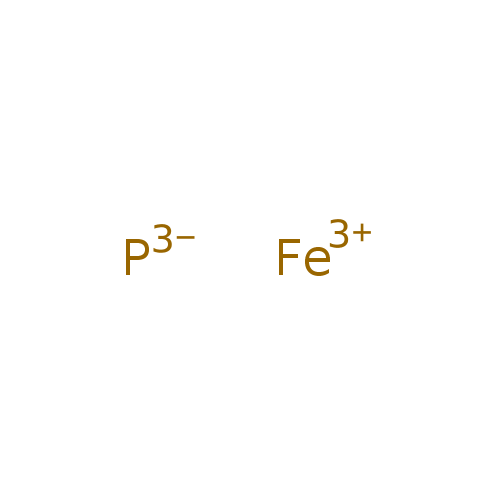
Iron phosphide is a phosphide of iron. It is a semiconductor used in high power, high frequency applications and in laser diodes. Metal phosphides are hydrolysed to phosphine upon contact with water or stomach acid. Phosphine is a colorless, flammable, explosive, and toxic gas. (3, 5)
belongs to the class of inorganic compounds known as miscellaneous mixed metal/non-metals. These are inorganic compounds containing non-metal as well as metal atoms but not belonging to afore mentioned classes.
Phosphine inhibits cytochrome c oxidase, preventing mitochondrial oxidative phosphorylation. This non-competitive inhibition prevents cellular respiration and leads to multi-organ dysfunction. Phosphine can also react with hydrogen peroxide to form the highly reactive hydroxyl radical, which can cause lipid peroxidation. (1, 2)
Metabolism
Phosphine and metal phosphides may be absorbed following ingestion or inhalation, then distribute to the nervous system, liver, and kidney. In the body, metal phosphides are hydrolysed to phosphine, and phosphine is oxidized to hypophosphite and phosphite. Metabolites are excreted in the urine, while unchanged phosphine is exhaled. (4)
No indication of carcinogenicity to humans (not listed by IARC).
Uses/Sources
Iron phosphide is a semiconductor used in high power, high frequency applications and in laser diodes. (5)
Minimum Risk Level
Not Available
Health Effects
Inhalation of phosphine may cause severe pulmonary irritation leading to acute pulmonary oedema, cardiovascular dysfunction, CNS excitation, coma and death. Gastrointestinal disorders, renal damage and leukopenia may also occur. Chronic exposure to phosphine can result in anemia, bronchitis, gastrointestinal effects, and visual, speech and motor problems. (3, 4)
Symptoms
Early symptoms of acute phosphine intoxication include pain in the diaphragm, nausea, vomiting, excitement, and a phosphorus smell on the breath. Higher levels can cause weakness, bronchitis, pulmonary edema, shortness of breath, convulsions, and death. Some effects, such as pulmonary edema, convulsions, and liver injury, may appear or continue to be present days after an exposure. Ingestion of metal phosphides results in release of phosphine in your stomach which can cause nausea, vomiting, abdominal pain, and diarrhea. (3)
Treatment
As there is no antidote for phosphine poisoning, treatment is mainly symptomatic. Artificial respiration, gastric lavage, and/or administration of activated charcoal may be necessary. (4)