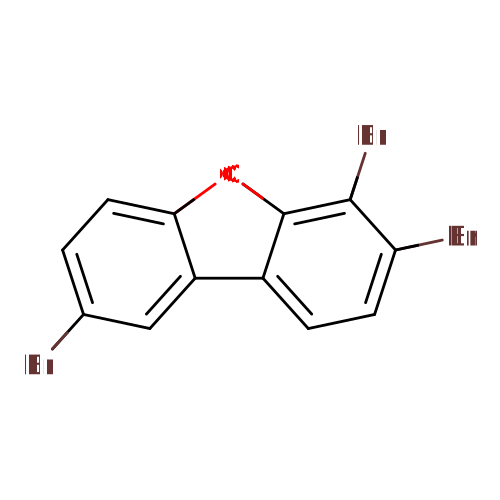
Tribromodibenzofuran (CHEM001990)
| Record Information | ||||||||||||||||||||||||||||||||||||||||||||||||||||||||||
|---|---|---|---|---|---|---|---|---|---|---|---|---|---|---|---|---|---|---|---|---|---|---|---|---|---|---|---|---|---|---|---|---|---|---|---|---|---|---|---|---|---|---|---|---|---|---|---|---|---|---|---|---|---|---|---|---|---|---|
| Version | 1.0 | |||||||||||||||||||||||||||||||||||||||||||||||||||||||||
| Creation Date | 2009-06-24 20:58:51 UTC | |||||||||||||||||||||||||||||||||||||||||||||||||||||||||
| Update Date | 2026-04-16 21:01:56 UTC | |||||||||||||||||||||||||||||||||||||||||||||||||||||||||
| Accession Number | CHEM001990 | |||||||||||||||||||||||||||||||||||||||||||||||||||||||||
| Identification | ||||||||||||||||||||||||||||||||||||||||||||||||||||||||||
| Common Name | Tribromodibenzofuran | |||||||||||||||||||||||||||||||||||||||||||||||||||||||||
| Class | Small Molecule | |||||||||||||||||||||||||||||||||||||||||||||||||||||||||
| Description | Chlorinated dibenzofurans (CDFs) are a family of chemical that contain one to eight chlorine atoms attached to the carbon atoms of the parent chemical, dibenzofuran. The CDF family contains 135 individual compounds (known as congeners) with varying harmful health and environmental effects. Of these 135 compounds, those that contain chlorine atoms at the 2,3,7,8-positions of the parent dibenzofuran molecule are especially harmful. Other than for laboratory use of small amounts of CDFs for research and development purposes, these chemicals are not deliberately produced by industry. Most CDFs are produced in very small amounts as unwanted impurities of certain products and processes utilizing chlorinated compounds. Only a few of the 135 CDF compounds have been produced in large enough quantities so that their properties, such as color, smell, taste, and toxicity could be studied. (2) | |||||||||||||||||||||||||||||||||||||||||||||||||||||||||
| Contaminant Sources |
| |||||||||||||||||||||||||||||||||||||||||||||||||||||||||
| Contaminant Type |
| |||||||||||||||||||||||||||||||||||||||||||||||||||||||||
| Chemical Structure | 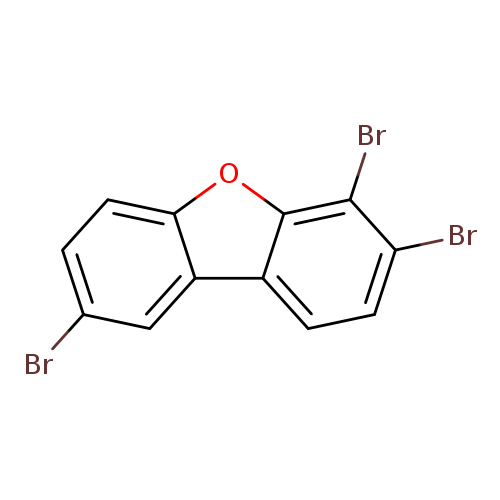 | |||||||||||||||||||||||||||||||||||||||||||||||||||||||||
| Synonyms | Not Available | |||||||||||||||||||||||||||||||||||||||||||||||||||||||||
| Chemical Formula | C12H5Br3O | |||||||||||||||||||||||||||||||||||||||||||||||||||||||||
| Average Molecular Mass | 404.879 g/mol | |||||||||||||||||||||||||||||||||||||||||||||||||||||||||
| Monoisotopic Mass | 401.789 g/mol | |||||||||||||||||||||||||||||||||||||||||||||||||||||||||
| CAS Registry Number | 103456-41-3 | |||||||||||||||||||||||||||||||||||||||||||||||||||||||||
| IUPAC Name | 4,10,11-tribromo-8-oxatricyclo[7.4.0.0²,⁷]trideca-1(13),2,4,6,9,11-hexaene | |||||||||||||||||||||||||||||||||||||||||||||||||||||||||
| Traditional Name | 4,10,11-tribromo-8-oxatricyclo[7.4.0.0²,⁷]trideca-1(13),2,4,6,9,11-hexaene | |||||||||||||||||||||||||||||||||||||||||||||||||||||||||
| SMILES | BrC1=CC=C2OC3=C(Br)C(Br)=CC=C3C2=C1 | |||||||||||||||||||||||||||||||||||||||||||||||||||||||||
| InChI Identifier | InChI=1S/C12H5Br3O/c13-6-1-4-10-8(5-6)7-2-3-9(14)11(15)12(7)16-10/h1-5H | |||||||||||||||||||||||||||||||||||||||||||||||||||||||||
| InChI Key | GBBHZWUDKSMEOG-UHFFFAOYSA-N | |||||||||||||||||||||||||||||||||||||||||||||||||||||||||
| Chemical Taxonomy | ||||||||||||||||||||||||||||||||||||||||||||||||||||||||||
| Description | belongs to the class of organic compounds known as polybrominated dibenzofurans. These are organic compounds containing two or more bromine atoms attached to a dibenzofuran moiety. | |||||||||||||||||||||||||||||||||||||||||||||||||||||||||
| Kingdom | Organic compounds | |||||||||||||||||||||||||||||||||||||||||||||||||||||||||
| Super Class | Organoheterocyclic compounds | |||||||||||||||||||||||||||||||||||||||||||||||||||||||||
| Class | Benzofurans | |||||||||||||||||||||||||||||||||||||||||||||||||||||||||
| Sub Class | Dibenzofurans | |||||||||||||||||||||||||||||||||||||||||||||||||||||||||
| Direct Parent | Polybrominated dibenzofurans | |||||||||||||||||||||||||||||||||||||||||||||||||||||||||
| Alternative Parents | ||||||||||||||||||||||||||||||||||||||||||||||||||||||||||
| Substituents |
| |||||||||||||||||||||||||||||||||||||||||||||||||||||||||
| Molecular Framework | Aromatic heteropolycyclic compounds | |||||||||||||||||||||||||||||||||||||||||||||||||||||||||
| External Descriptors | Not Available | |||||||||||||||||||||||||||||||||||||||||||||||||||||||||
| Biological Properties | ||||||||||||||||||||||||||||||||||||||||||||||||||||||||||
| Status | Detected and Not Quantified | |||||||||||||||||||||||||||||||||||||||||||||||||||||||||
| Origin | Exogenous | |||||||||||||||||||||||||||||||||||||||||||||||||||||||||
| Cellular Locations |
| |||||||||||||||||||||||||||||||||||||||||||||||||||||||||
| Biofluid Locations | Not Available | |||||||||||||||||||||||||||||||||||||||||||||||||||||||||
| Tissue Locations | Not Available | |||||||||||||||||||||||||||||||||||||||||||||||||||||||||
| Pathways | Not Available | |||||||||||||||||||||||||||||||||||||||||||||||||||||||||
| Applications | Not Available | |||||||||||||||||||||||||||||||||||||||||||||||||||||||||
| Biological Roles | Not Available | |||||||||||||||||||||||||||||||||||||||||||||||||||||||||
| Chemical Roles | Not Available | |||||||||||||||||||||||||||||||||||||||||||||||||||||||||
| Physical Properties | ||||||||||||||||||||||||||||||||||||||||||||||||||||||||||
| State | Solid | |||||||||||||||||||||||||||||||||||||||||||||||||||||||||
| Appearance | Colorless crystals. | |||||||||||||||||||||||||||||||||||||||||||||||||||||||||
| Experimental Properties |
| |||||||||||||||||||||||||||||||||||||||||||||||||||||||||
| Predicted Properties |
| |||||||||||||||||||||||||||||||||||||||||||||||||||||||||
| Spectra | ||||||||||||||||||||||||||||||||||||||||||||||||||||||||||
| Spectra |
| |||||||||||||||||||||||||||||||||||||||||||||||||||||||||
| Toxicity Profile | ||||||||||||||||||||||||||||||||||||||||||||||||||||||||||
| Route of Exposure | Inhalation (2) ; dermal (2) ; oral (2) | |||||||||||||||||||||||||||||||||||||||||||||||||||||||||
| Mechanism of Toxicity | Halogenated dibenzofurans (PCDFs and PBDFs) bind the aryl hydrocarbon receptor (AhR), which increases its ability to activate transcription in the XRE (xenobiotic resoponse element) promoter region. Specifically AhR binds to the PCDF, translocates it to the nucleus and together with hydrocarbon nuclear translocator (ARNT) and xenobiotic responsive element (XRE) increases the expression of CYP1A1 and aryl hydrocarbon hydroxylase (CYP1B1). AhR signaling also increseases conversion of arachidonic acid to prostanoids via cyclooxygenase-2, alters Wnt/beta-catenin signaling downregulating Sox9 and alters signaling by receptors for inflammatory cytokines. AhR signalling also alters proteasomal degradation of steroid hormone receptors, alters cellular UVB stress response and changes the differentiation of certain T-cell subsets. The resulting AhR mediated activation and alteration leads to body weight loss, cancer and thymic atrophy (characteristic of immune and endocrine disruption) which are common toxic responses to PCDFs and related toxic halogenated aryl hydrocarbons. | |||||||||||||||||||||||||||||||||||||||||||||||||||||||||
| Metabolism | No information on the metabolism of dibenzofuran in mammalian organisms was found in the available literature. The bacteria Sphingomonas, Brevibacterium, Terrabacter, and Staphylococcus auricularis degrade dibenzofuran to 2,2',3-trihydroxybiphenyl via dibenzofuran 4,4a-dioxygenase. (2) | |||||||||||||||||||||||||||||||||||||||||||||||||||||||||
| Toxicity Values | Not Available | |||||||||||||||||||||||||||||||||||||||||||||||||||||||||
| Lethal Dose | Not Available | |||||||||||||||||||||||||||||||||||||||||||||||||||||||||
| Carcinogenicity (IARC Classification) | No indication of carcinogenicity (not listed by IARC). (1) | |||||||||||||||||||||||||||||||||||||||||||||||||||||||||
| Uses/Sources | CDFs are created from production of coal tar and during incineration. They are used as insecticides, in the production of PVC, and in industrial bleaching. (2) | |||||||||||||||||||||||||||||||||||||||||||||||||||||||||
| Minimum Risk Level | Not Available | |||||||||||||||||||||||||||||||||||||||||||||||||||||||||
| Health Effects | CDFs cause vomiting and diarrhea, anemia, more frequent lung infections, numbness and other effects on the nervous system, and mild changes in the liver. However, there were no permanent liver changes or definite liver damage found in people who ingested CDFs. (2) | |||||||||||||||||||||||||||||||||||||||||||||||||||||||||
| Symptoms | Skin and eye irritations, especially severe acne, darkened skin color, and swollen eyelids with discharge are the most obvious health effects of the CDF poisoning. (2) | |||||||||||||||||||||||||||||||||||||||||||||||||||||||||
| Treatment | EYES: irrigate opened eyes for several minutes under running water. INGESTION: do not induce vomiting. Rinse mouth with water (never give anything by mouth to an unconscious person). Seek immediate medical advice. SKIN: should be treated immediately by rinsing the affected parts in cold running water for at least 15 minutes, followed by thorough washing with soap and water. If necessary, the person should shower and change contaminated clothing and shoes, and then must seek medical attention. INHALATION: supply fresh air. If required provide artificial respiration. | |||||||||||||||||||||||||||||||||||||||||||||||||||||||||
| Concentrations | ||||||||||||||||||||||||||||||||||||||||||||||||||||||||||
| Not Available | ||||||||||||||||||||||||||||||||||||||||||||||||||||||||||
| External Links | ||||||||||||||||||||||||||||||||||||||||||||||||||||||||||
| DrugBank ID | Not Available | |||||||||||||||||||||||||||||||||||||||||||||||||||||||||
| HMDB ID | Not Available | |||||||||||||||||||||||||||||||||||||||||||||||||||||||||
| FooDB ID | Not Available | |||||||||||||||||||||||||||||||||||||||||||||||||||||||||
| Phenol Explorer ID | Not Available | |||||||||||||||||||||||||||||||||||||||||||||||||||||||||
| KNApSAcK ID | Not Available | |||||||||||||||||||||||||||||||||||||||||||||||||||||||||
| BiGG ID | Not Available | |||||||||||||||||||||||||||||||||||||||||||||||||||||||||
| BioCyc ID | Not Available | |||||||||||||||||||||||||||||||||||||||||||||||||||||||||
| METLIN ID | Not Available | |||||||||||||||||||||||||||||||||||||||||||||||||||||||||
| PDB ID | Not Available | |||||||||||||||||||||||||||||||||||||||||||||||||||||||||
| Wikipedia Link | Not Available | |||||||||||||||||||||||||||||||||||||||||||||||||||||||||
| Chemspider ID | Not Available | |||||||||||||||||||||||||||||||||||||||||||||||||||||||||
| ChEBI ID | Not Available | |||||||||||||||||||||||||||||||||||||||||||||||||||||||||
| PubChem Compound ID | 526349 | |||||||||||||||||||||||||||||||||||||||||||||||||||||||||
| Kegg Compound ID | Not Available | |||||||||||||||||||||||||||||||||||||||||||||||||||||||||
| YMDB ID | Not Available | |||||||||||||||||||||||||||||||||||||||||||||||||||||||||
| ECMDB ID | Not Available | |||||||||||||||||||||||||||||||||||||||||||||||||||||||||
| References | ||||||||||||||||||||||||||||||||||||||||||||||||||||||||||
| Synthesis Reference | Not Available | |||||||||||||||||||||||||||||||||||||||||||||||||||||||||
| MSDS | Not Available | |||||||||||||||||||||||||||||||||||||||||||||||||||||||||
| General References | Not Available | |||||||||||||||||||||||||||||||||||||||||||||||||||||||||