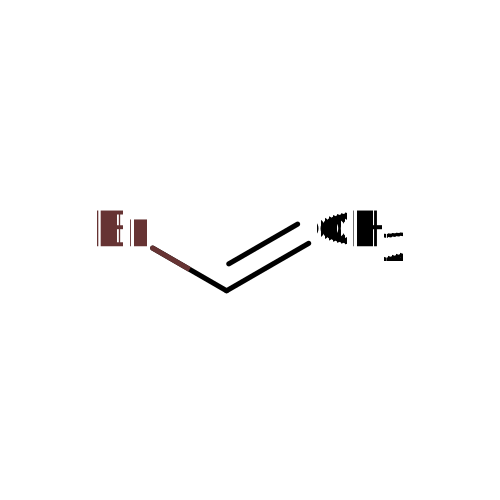
Vinyl bromide (CHEM001555)
| Record Information | |||||||||||||||||||||||||||||||||||||||||||||||||||||||
|---|---|---|---|---|---|---|---|---|---|---|---|---|---|---|---|---|---|---|---|---|---|---|---|---|---|---|---|---|---|---|---|---|---|---|---|---|---|---|---|---|---|---|---|---|---|---|---|---|---|---|---|---|---|---|---|
| Version | 1.0 | ||||||||||||||||||||||||||||||||||||||||||||||||||||||
| Creation Date | 2009-06-22 16:08:38 UTC | ||||||||||||||||||||||||||||||||||||||||||||||||||||||
| Update Date | 2026-03-26 21:53:56 UTC | ||||||||||||||||||||||||||||||||||||||||||||||||||||||
| Accession Number | CHEM001555 | ||||||||||||||||||||||||||||||||||||||||||||||||||||||
| Identification | |||||||||||||||||||||||||||||||||||||||||||||||||||||||
| Common Name | Vinyl bromide | ||||||||||||||||||||||||||||||||||||||||||||||||||||||
| Class | Small Molecule | ||||||||||||||||||||||||||||||||||||||||||||||||||||||
| Description | Vinyl bromide is an organobromide compound. It is used to manufacture bromopolymers, mainly polyvinyl bromide, and is also an alkylation agent. Vinyl bromide is primarily used in the manufacture of flame retardant synthetic fibers. Its copolymer with vinyl chloride is also used for preparing films, for laminating fibers, and as rubber substitutes. Vinyl bromide is highly flammable liquid and reacts violently with oxidizers. | ||||||||||||||||||||||||||||||||||||||||||||||||||||||
| Contaminant Sources |
| ||||||||||||||||||||||||||||||||||||||||||||||||||||||
| Contaminant Type |
| ||||||||||||||||||||||||||||||||||||||||||||||||||||||
| Chemical Structure | 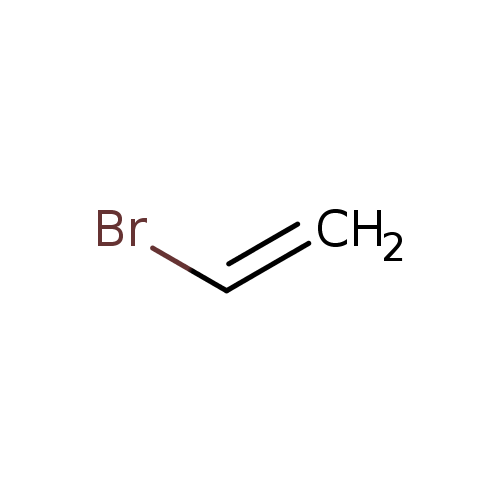 | ||||||||||||||||||||||||||||||||||||||||||||||||||||||
| Synonyms |
| ||||||||||||||||||||||||||||||||||||||||||||||||||||||
| Chemical Formula | C2H3Br | ||||||||||||||||||||||||||||||||||||||||||||||||||||||
| Average Molecular Mass | 106.949 g/mol | ||||||||||||||||||||||||||||||||||||||||||||||||||||||
| Monoisotopic Mass | 105.942 g/mol | ||||||||||||||||||||||||||||||||||||||||||||||||||||||
| CAS Registry Number | 593-60-2 | ||||||||||||||||||||||||||||||||||||||||||||||||||||||
| IUPAC Name | bromoethene | ||||||||||||||||||||||||||||||||||||||||||||||||||||||
| Traditional Name | vinyl bromide | ||||||||||||||||||||||||||||||||||||||||||||||||||||||
| SMILES | BrC=C | ||||||||||||||||||||||||||||||||||||||||||||||||||||||
| InChI Identifier | InChI=1S/C2H3Br/c1-2-3/h2H,1H2 | ||||||||||||||||||||||||||||||||||||||||||||||||||||||
| InChI Key | INLLPKCGLOXCIV-UHFFFAOYSA-N | ||||||||||||||||||||||||||||||||||||||||||||||||||||||
| Chemical Taxonomy | |||||||||||||||||||||||||||||||||||||||||||||||||||||||
| Description | belongs to the class of organic compounds known as vinyl bromides. These are vinyl halides in which a bromine atom is bonded to an sp2-hybridised carbon atom. | ||||||||||||||||||||||||||||||||||||||||||||||||||||||
| Kingdom | Organic compounds | ||||||||||||||||||||||||||||||||||||||||||||||||||||||
| Super Class | Organohalogen compounds | ||||||||||||||||||||||||||||||||||||||||||||||||||||||
| Class | Vinyl halides | ||||||||||||||||||||||||||||||||||||||||||||||||||||||
| Sub Class | Vinyl bromides | ||||||||||||||||||||||||||||||||||||||||||||||||||||||
| Direct Parent | Vinyl bromides | ||||||||||||||||||||||||||||||||||||||||||||||||||||||
| Alternative Parents | |||||||||||||||||||||||||||||||||||||||||||||||||||||||
| Substituents |
| ||||||||||||||||||||||||||||||||||||||||||||||||||||||
| Molecular Framework | Aliphatic acyclic compounds | ||||||||||||||||||||||||||||||||||||||||||||||||||||||
| External Descriptors |
| ||||||||||||||||||||||||||||||||||||||||||||||||||||||
| Biological Properties | |||||||||||||||||||||||||||||||||||||||||||||||||||||||
| Status | Detected and Not Quantified | ||||||||||||||||||||||||||||||||||||||||||||||||||||||
| Origin | Exogenous | ||||||||||||||||||||||||||||||||||||||||||||||||||||||
| Cellular Locations |
| ||||||||||||||||||||||||||||||||||||||||||||||||||||||
| Biofluid Locations | Not Available | ||||||||||||||||||||||||||||||||||||||||||||||||||||||
| Tissue Locations | Not Available | ||||||||||||||||||||||||||||||||||||||||||||||||||||||
| Pathways | Not Available | ||||||||||||||||||||||||||||||||||||||||||||||||||||||
| Applications | Not Available | ||||||||||||||||||||||||||||||||||||||||||||||||||||||
| Biological Roles | Not Available | ||||||||||||||||||||||||||||||||||||||||||||||||||||||
| Chemical Roles | Not Available | ||||||||||||||||||||||||||||||||||||||||||||||||||||||
| Physical Properties | |||||||||||||||||||||||||||||||||||||||||||||||||||||||
| State | Gas | ||||||||||||||||||||||||||||||||||||||||||||||||||||||
| Appearance | Colorless gas. | ||||||||||||||||||||||||||||||||||||||||||||||||||||||
| Experimental Properties |
| ||||||||||||||||||||||||||||||||||||||||||||||||||||||
| Predicted Properties |
| ||||||||||||||||||||||||||||||||||||||||||||||||||||||
| Spectra | |||||||||||||||||||||||||||||||||||||||||||||||||||||||
| Spectra |
| ||||||||||||||||||||||||||||||||||||||||||||||||||||||
| Toxicity Profile | |||||||||||||||||||||||||||||||||||||||||||||||||||||||
| Route of Exposure | Oral (3) ; inhalation (3) ; dermal (3) | ||||||||||||||||||||||||||||||||||||||||||||||||||||||
| Mechanism of Toxicity | Organobromide compounds, especially alkylbromides are strong alkylating agents. Consequently they can randomly modify the surfaces of proteins and lipids, leading to the disruption of enzyme, transporter or membrane functions. Alkylation of DNA by alkylbromides may also lead to mutations. Vinyl bromide is metabolically activated by liver microsomal enzymes to intermediates that covalently bind to proteins and nucleic acids. Several lines of evidence suggest the involvement of the epoxides, i.e., bromoethylene oxide. Proven targets for alkylation are adenine, cytosine and guanine moieties in nucleic acids, and sulfhydryl groups of proteins. Vinylbromide reacts quickly with hepatic glutathione (GSH) leading to its rapid depletion and subsequent liver damage. | ||||||||||||||||||||||||||||||||||||||||||||||||||||||
| Metabolism | Bromine is mainly absorbed via inhalation, but may also enter the body through dermal contact. Bromine salts can be ingested. Due to its reactivity, bromine quickly forms bromide and may be deposited in the tissues, displacing other halogens. (3) | ||||||||||||||||||||||||||||||||||||||||||||||||||||||
| Toxicity Values | LD50: 500 mg/kg (Oral, Rat) (5) | ||||||||||||||||||||||||||||||||||||||||||||||||||||||
| Lethal Dose | Not Available | ||||||||||||||||||||||||||||||||||||||||||||||||||||||
| Carcinogenicity (IARC Classification) | 2A, probably carcinogenic to humans. (2) | ||||||||||||||||||||||||||||||||||||||||||||||||||||||
| Uses/Sources | Vinyl bromide is primarily used in the manufacture of flame retardant synthetic fibers. Workers may be occupationally exposed to vinyl bromide via inhalation during its manufacture or use. | ||||||||||||||||||||||||||||||||||||||||||||||||||||||
| Minimum Risk Level | Not Available | ||||||||||||||||||||||||||||||||||||||||||||||||||||||
| Health Effects | Acute (short-term) and chronic (long-term) studies indicate that the liver is the primary target organ following inhalation exposure to vinyl bromide in humans and animals. Acute exposure of rats to very high concentrations via inhalation has resulted in liver and kidney damage and adverse neurological effects. Chronic inhalation exposure primarily damages the liver, causing foci in the liver of rats. Vinyl bromide has been shown to be a potent carcinogen in rats exposed by inhalation, producing liver angiosarcomas. | ||||||||||||||||||||||||||||||||||||||||||||||||||||||
| Symptoms | In high concentrations, vinyl bromide may produce dizziness, disorientation, and sleepiness in humans. | ||||||||||||||||||||||||||||||||||||||||||||||||||||||
| Treatment | EYES: irrigate opened eyes for several minutes under running water. INGESTION: do not induce vomiting. Rinse mouth with water (never give anything by mouth to an unconscious person). Seek immediate medical advice. SKIN: should be treated immediately by rinsing the affected parts in cold running water for at least 15 minutes, followed by thorough washing with soap and water. If necessary, the person should shower and change contaminated clothing and shoes, and then must seek medical attention. INHALATION: supply fresh air. If required provide artificial respiration. | ||||||||||||||||||||||||||||||||||||||||||||||||||||||
| Concentrations | |||||||||||||||||||||||||||||||||||||||||||||||||||||||
| Not Available | |||||||||||||||||||||||||||||||||||||||||||||||||||||||
| External Links | |||||||||||||||||||||||||||||||||||||||||||||||||||||||
| DrugBank ID | Not Available | ||||||||||||||||||||||||||||||||||||||||||||||||||||||
| HMDB ID | Not Available | ||||||||||||||||||||||||||||||||||||||||||||||||||||||
| FooDB ID | Not Available | ||||||||||||||||||||||||||||||||||||||||||||||||||||||
| Phenol Explorer ID | Not Available | ||||||||||||||||||||||||||||||||||||||||||||||||||||||
| KNApSAcK ID | Not Available | ||||||||||||||||||||||||||||||||||||||||||||||||||||||
| BiGG ID | Not Available | ||||||||||||||||||||||||||||||||||||||||||||||||||||||
| BioCyc ID | Not Available | ||||||||||||||||||||||||||||||||||||||||||||||||||||||
| METLIN ID | Not Available | ||||||||||||||||||||||||||||||||||||||||||||||||||||||
| PDB ID | Not Available | ||||||||||||||||||||||||||||||||||||||||||||||||||||||
| Wikipedia Link | Vinyl bromide | ||||||||||||||||||||||||||||||||||||||||||||||||||||||
| Chemspider ID | Not Available | ||||||||||||||||||||||||||||||||||||||||||||||||||||||
| ChEBI ID | 51311 | ||||||||||||||||||||||||||||||||||||||||||||||||||||||
| PubChem Compound ID | 11641 | ||||||||||||||||||||||||||||||||||||||||||||||||||||||
| Kegg Compound ID | C19184 | ||||||||||||||||||||||||||||||||||||||||||||||||||||||
| YMDB ID | Not Available | ||||||||||||||||||||||||||||||||||||||||||||||||||||||
| ECMDB ID | Not Available | ||||||||||||||||||||||||||||||||||||||||||||||||||||||
| References | |||||||||||||||||||||||||||||||||||||||||||||||||||||||
| Synthesis Reference | Not Available | ||||||||||||||||||||||||||||||||||||||||||||||||||||||
| MSDS | Not Available | ||||||||||||||||||||||||||||||||||||||||||||||||||||||
| General References | Not Available | ||||||||||||||||||||||||||||||||||||||||||||||||||||||