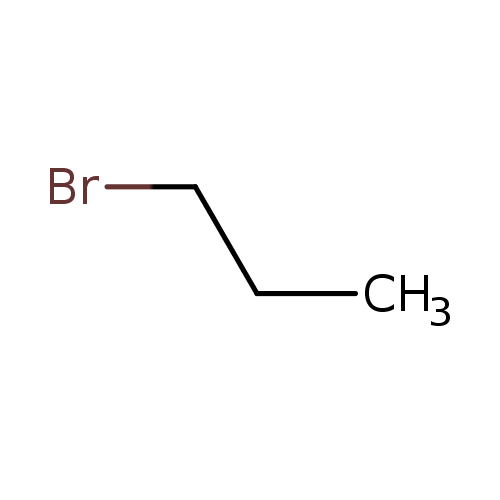
1-bromopropane is an organobromide compound. It is a widely used organic solvent used for the cleaning of metal surfaces, removal of soldering residues from electronic circuit boards, and in the hole transport layer (HTL) of multi-layered OLEDs. It is also a solvent for adhesives and has been deployed as a replacement for perchloroethylene as a dry cleaning solvent. Its use as a solvent in aerosol glues used to glue foam cushions has been especially problematic. 1-bromopropane’s increasing use in the 21st century resulted from need for a substitute for chlorofluorocarbons and perchloroethylene (tetrachloroethylene). In 2013, a peer-review panel convened by the National Toxicology Program unanimously recommended that 1-bromopropane should be classified as a reasonably anticipated human carcinogen.
belongs to the class of organic compounds known as organobromides. Organobromides are compounds containing a chemical bond between a carbon atom and a bromine atom.
Organobromide compounds, especially alkylbromides are strong alkylating agents. Consequently they can randomly modify the surfaces of proteins and lipids, leading to the disruption of enzyme, transporter or membrane functions. Alkylation of DNA by alkylbromides may also lead to mutations. 1-bromopropane reacts quickly with hepatic glutathione (GSH) leading to its rapid depletion and subsequent liver damage. Long-term exposure to 1-bromopropane decreases neurogenesis in the dentate gyrus which may contribute to the neurotoxicity. Downregulation of brain derived neurotrophic factor and glucocoritoid receptor mRNA expression and low hippocampal norepinephrine levels might contribute, at least in part, to the reduced neurogenesis.
Metabolism
1-bromopropane is metabolized rapidly in the liver. Three mercapturic acids are produced: N-acetyl-S-propyl cysteine, N-acetyl-S-propyl cysteine-S-oxide and N-acetyl-S-(2-hydroxypropyl)cysteine. 1-bromopropoane also reacts rapidly with glutathione and can form glutathione conjugates.
Cleaning solvent, drycleaning solvent, aerosol glue solvent. 1-bromopropane may be found in products used in vapor and immersion degreasing operations for cleaning metal, plastics, electronic and optical components; in adhesive spray applications; and in dry cleaning operations. 1-bromopropane may also be a component of some aerosol spray products. Exposures to 1-bromopropane in occupational settings occur via two primary routes: (1) inhalation of 1-bromopropane vapors and mists; and (2) skin contact with 1-bromopropane.
Minimum Risk Level
Not Available
Health Effects
Skin irritation if contacts skin, redness and itching of skin and eyes. Acute exposure may lead to coughing, shortness of breath, headache, nausea, vomiting. Chronic exposure can lead to damage of the blood, liver and CNS. Neurotoxicity can arise due to chronic exposure through inhalation or skin. Human cases of 1-bromopropane (1-BP) toxicity exhibit ataxic gait and cognitive dysfunction, whereas rat studies showed pyknotic shrinkage in cerebellar Purkinje cells and electrophysiological changes in the hippocampus. Inhalation exposure to 1-bromopropane causes skin tumors in male rats, large intestine tumors in female and male rats, and lung tumors in female mice. 1-bromopropane, either directly or via reactive metabolites, can cause molecular alterations that typically are associated with carcinogenesis, including genotoxicity, oxidative stress, and glutathione depletion. Hepatotoxicity and reproductive toxicity have been noted in rodent studies.
Symptoms
Reported symptoms to overexposure include confusion, dysarthria, dizziness, paresthesias, and ataxia; unusual fatigue and headaches, development of arthralgias, visual disturbances (difficulty focusing), paresthesias, and muscular twitching. Symptoms may persist over one year after termination of exposure. Vapors may cause dizziness and suffocation. Inhalation of high concentrations may affect behavior/central nervous system (CNS depression) characterized by nausea, headache, dizziness, somnolence, unconsciousness and coma. It may also cause liver and kidney damage, lung injury, weight loss/ anorexia, bone marrow changes, and blood abnormalities.
Treatment
EYES: irrigate opened eyes for several minutes under running water.
INGESTION: do not induce vomiting. Rinse mouth with water (never give anything by mouth to an unconscious person). Seek immediate medical advice.
SKIN: should be treated immediately by rinsing the affected parts in cold running water for at least 15 minutes, followed by thorough washing with soap and water. If necessary, the person should shower and change contaminated clothing and shoes, and then must seek medical attention.
INHALATION: supply fresh air. If required provide artificial respiration.