Uranium carbide (CHEM001003)
| Record Information | ||||||||||||||||||||||||||||||||||||||||||||||
|---|---|---|---|---|---|---|---|---|---|---|---|---|---|---|---|---|---|---|---|---|---|---|---|---|---|---|---|---|---|---|---|---|---|---|---|---|---|---|---|---|---|---|---|---|---|---|
| Version | 1.0 | |||||||||||||||||||||||||||||||||||||||||||||
| Creation Date | 2009-06-19 21:58:23 UTC | |||||||||||||||||||||||||||||||||||||||||||||
| Update Date | 2016-11-09 01:08:25 UTC | |||||||||||||||||||||||||||||||||||||||||||||
| Accession Number | CHEM001003 | |||||||||||||||||||||||||||||||||||||||||||||
| Identification | ||||||||||||||||||||||||||||||||||||||||||||||
| Common Name | Uranium carbide | |||||||||||||||||||||||||||||||||||||||||||||
| Class | Small Molecule | |||||||||||||||||||||||||||||||||||||||||||||
| Description | Uranium carbide is a carbide of uranium. It is used for fuel in nuclear reactors and is also a popular target material for particle accelerators. Uranium is a chemical element that has the symbol U and atomic number 92. It is a normal part of rocks, soil, air, and water, and occurs in nature in the form of minerals. (5, 6, 7) | |||||||||||||||||||||||||||||||||||||||||||||
| Contaminant Sources |
| |||||||||||||||||||||||||||||||||||||||||||||
| Contaminant Type |
| |||||||||||||||||||||||||||||||||||||||||||||
| Chemical Structure | 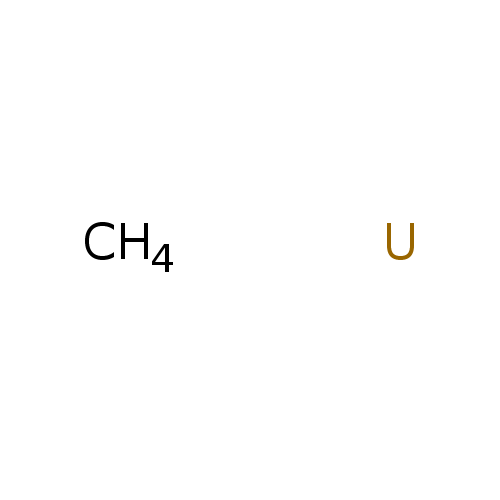 | |||||||||||||||||||||||||||||||||||||||||||||
| Synonyms | Not Available | |||||||||||||||||||||||||||||||||||||||||||||
| Chemical Formula | CH4U | |||||||||||||||||||||||||||||||||||||||||||||
| Average Molecular Mass | 254.071 g/mol | |||||||||||||||||||||||||||||||||||||||||||||
| Monoisotopic Mass | 254.082 g/mol | |||||||||||||||||||||||||||||||||||||||||||||
| CAS Registry Number | 12070-09-6 | |||||||||||||||||||||||||||||||||||||||||||||
| IUPAC Name | methane uranium | |||||||||||||||||||||||||||||||||||||||||||||
| Traditional Name | methane uranium | |||||||||||||||||||||||||||||||||||||||||||||
| SMILES | C.[U] | |||||||||||||||||||||||||||||||||||||||||||||
| InChI Identifier | InChI=1S/CH4.U/h1H4; | |||||||||||||||||||||||||||||||||||||||||||||
| InChI Key | QRKOGTOMYRGNOR-UHFFFAOYSA-N | |||||||||||||||||||||||||||||||||||||||||||||
| Chemical Taxonomy | ||||||||||||||||||||||||||||||||||||||||||||||
| Description | belongs to the class of organic compounds known as hydrocarbon derivatives. These are derivatives of hydrocarbons obtained by substituting one or more carbon atoms by an heteroatom. They contain at least one carbon atom and heteroatom. | |||||||||||||||||||||||||||||||||||||||||||||
| Kingdom | Organic compounds | |||||||||||||||||||||||||||||||||||||||||||||
| Super Class | Hydrocarbon derivatives | |||||||||||||||||||||||||||||||||||||||||||||
| Class | Not Available | |||||||||||||||||||||||||||||||||||||||||||||
| Sub Class | Not Available | |||||||||||||||||||||||||||||||||||||||||||||
| Direct Parent | Hydrocarbon derivatives | |||||||||||||||||||||||||||||||||||||||||||||
| Alternative Parents | Not Available | |||||||||||||||||||||||||||||||||||||||||||||
| Substituents |
| |||||||||||||||||||||||||||||||||||||||||||||
| Molecular Framework | Aliphatic acyclic compounds | |||||||||||||||||||||||||||||||||||||||||||||
| External Descriptors | Not Available | |||||||||||||||||||||||||||||||||||||||||||||
| Biological Properties | ||||||||||||||||||||||||||||||||||||||||||||||
| Status | Detected and Not Quantified | |||||||||||||||||||||||||||||||||||||||||||||
| Origin | Exogenous | |||||||||||||||||||||||||||||||||||||||||||||
| Cellular Locations |
| |||||||||||||||||||||||||||||||||||||||||||||
| Biofluid Locations | Not Available | |||||||||||||||||||||||||||||||||||||||||||||
| Tissue Locations | Not Available | |||||||||||||||||||||||||||||||||||||||||||||
| Pathways | Not Available | |||||||||||||||||||||||||||||||||||||||||||||
| Applications | Not Available | |||||||||||||||||||||||||||||||||||||||||||||
| Biological Roles | Not Available | |||||||||||||||||||||||||||||||||||||||||||||
| Chemical Roles | Not Available | |||||||||||||||||||||||||||||||||||||||||||||
| Physical Properties | ||||||||||||||||||||||||||||||||||||||||||||||
| State | Solid | |||||||||||||||||||||||||||||||||||||||||||||
| Appearance | White powder. | |||||||||||||||||||||||||||||||||||||||||||||
| Experimental Properties |
| |||||||||||||||||||||||||||||||||||||||||||||
| Predicted Properties |
| |||||||||||||||||||||||||||||||||||||||||||||
| Spectra | ||||||||||||||||||||||||||||||||||||||||||||||
| Spectra |
| |||||||||||||||||||||||||||||||||||||||||||||
| Toxicity Profile | ||||||||||||||||||||||||||||||||||||||||||||||
| Route of Exposure | Oral (6) ; inhalation (6) ; dermal (6) | |||||||||||||||||||||||||||||||||||||||||||||
| Mechanism of Toxicity | Uranium is combined with either bicarbonate or a plasma protein in the blood but once in the kidney, it is released and forms complexes with phosphate ligands and proteins in the tubular wall, causing damage. Uranium may also inhibit both sodium transport-dependent and independent ATP utilization and mitochondrial oxidative phosphorylation in the renal proximal tubule. Uranium causes respiratory diseases by damaging alveolar epithelium type II cells in the lungs. Uranium induces c-Jun N-terminal kinase (JNK) and p38 mitogen-activated protein kinase (p38 MAPK) activation, which in turn induces tumor necrosis factor alpha (TNF-alpha) secretion and generates and inflammatory response in the lungs. Studies have shown that the more soluble the uranium salt, the more toxic it is. Ionizing radiation produced by uranium damages the DNA, resulting in gene mutations and chromosomal aberrations. This can both both initiate and promote carcinogenesis, and interfere with reproduction and development. (6, 1) | |||||||||||||||||||||||||||||||||||||||||||||
| Metabolism | Uranium is absorbed in low amounts via oral, inhalation, and dermal routes. Uranium in body fluids generally exists as the uranyl ion (UO2)2+ complexed with anions, such as citrate and bicarbonate, or plasma proteins. Uranium preferentially distributes to bone, liver, and kidney. The large majority of uranium that enters the body is not absorbed and is eliminated from the body via the urine and faeces. (5) | |||||||||||||||||||||||||||||||||||||||||||||
| Toxicity Values | Not Available | |||||||||||||||||||||||||||||||||||||||||||||
| Lethal Dose | Not Available | |||||||||||||||||||||||||||||||||||||||||||||
| Carcinogenicity (IARC Classification) | Uranium: Group 1, carcinogenic to humans (4) | |||||||||||||||||||||||||||||||||||||||||||||
| Uses/Sources | Uranium carbide is used for fuel in nuclear reactors and is also a popular target material for particle accelerators. (7) | |||||||||||||||||||||||||||||||||||||||||||||
| Minimum Risk Level | Intermediate Inhalation: 0.0004 mg/m3 (Soluble uranium salts) (3) Chronic Inhalation: 0.0003 mg/m3 (Soluble uranium salts) (3) Intermediate Oral: 0.002 mg/kg/day (Soluble uranium salts) (3) Intermediate Inhalation: 0.008 mg/m3 (Insoluble uranium compounds) (3) | |||||||||||||||||||||||||||||||||||||||||||||
| Health Effects | Uranium primarily damages the kidney, but may also damage the lungs, central nervous system, and immune system. Uranium's radioactivity is believed to damage the DNA, resulting in carcinogenic effects and reproductive and developmental damage. (5, 6) | |||||||||||||||||||||||||||||||||||||||||||||
| Symptoms | Ingestion of uranium may cause vomiting and diarrhea. (5) | |||||||||||||||||||||||||||||||||||||||||||||
| Treatment | Not Available | |||||||||||||||||||||||||||||||||||||||||||||
| Concentrations | ||||||||||||||||||||||||||||||||||||||||||||||
| Not Available | ||||||||||||||||||||||||||||||||||||||||||||||
| External Links | ||||||||||||||||||||||||||||||||||||||||||||||
| DrugBank ID | Not Available | |||||||||||||||||||||||||||||||||||||||||||||
| HMDB ID | Not Available | |||||||||||||||||||||||||||||||||||||||||||||
| FooDB ID | Not Available | |||||||||||||||||||||||||||||||||||||||||||||
| Phenol Explorer ID | Not Available | |||||||||||||||||||||||||||||||||||||||||||||
| KNApSAcK ID | Not Available | |||||||||||||||||||||||||||||||||||||||||||||
| BiGG ID | Not Available | |||||||||||||||||||||||||||||||||||||||||||||
| BioCyc ID | Not Available | |||||||||||||||||||||||||||||||||||||||||||||
| METLIN ID | Not Available | |||||||||||||||||||||||||||||||||||||||||||||
| PDB ID | Not Available | |||||||||||||||||||||||||||||||||||||||||||||
| Wikipedia Link | Uranium carbide | |||||||||||||||||||||||||||||||||||||||||||||
| Chemspider ID | Not Available | |||||||||||||||||||||||||||||||||||||||||||||
| ChEBI ID | Not Available | |||||||||||||||||||||||||||||||||||||||||||||
| PubChem Compound ID | 166603 | |||||||||||||||||||||||||||||||||||||||||||||
| Kegg Compound ID | Not Available | |||||||||||||||||||||||||||||||||||||||||||||
| YMDB ID | Not Available | |||||||||||||||||||||||||||||||||||||||||||||
| ECMDB ID | Not Available | |||||||||||||||||||||||||||||||||||||||||||||
| References | ||||||||||||||||||||||||||||||||||||||||||||||
| Synthesis Reference | Not Available | |||||||||||||||||||||||||||||||||||||||||||||
| MSDS | Not Available | |||||||||||||||||||||||||||||||||||||||||||||
| General References | Not Available | |||||||||||||||||||||||||||||||||||||||||||||