Zinc molybdate (CHEM000661)
| Record Information | ||||||||||||||||||||||||||||||||||||||||||||||
|---|---|---|---|---|---|---|---|---|---|---|---|---|---|---|---|---|---|---|---|---|---|---|---|---|---|---|---|---|---|---|---|---|---|---|---|---|---|---|---|---|---|---|---|---|---|---|
| Version | 1.0 | |||||||||||||||||||||||||||||||||||||||||||||
| Creation Date | 2009-03-27 01:04:28 UTC | |||||||||||||||||||||||||||||||||||||||||||||
| Update Date | 2026-04-06 07:29:44 UTC | |||||||||||||||||||||||||||||||||||||||||||||
| Accession Number | CHEM000661 | |||||||||||||||||||||||||||||||||||||||||||||
| Identification | ||||||||||||||||||||||||||||||||||||||||||||||
| Common Name | Zinc molybdate | |||||||||||||||||||||||||||||||||||||||||||||
| Class | Small Molecule | |||||||||||||||||||||||||||||||||||||||||||||
| Description | Zinc molybdate (ZnMoO4) is a chemical compound of zinc and molybdenum. It is used as a corrosion inhibitor. Zinc is a metallic element with the atomic number 30. It is found in nature most often as the mineral sphalerite. Though excess zinc in harmful, in smaller amounts it is an essential element for life, as it is a cofactor for over 300 enzymes and is found in just as many transcription factors. (2, 3, 4) Zinc molybdate is an inorganic material found in nature with two different types of crystalline phases: ‘±-triclinic and beta-monoclinic. In the ‘±-ZnMoO4 triclinic structure, all zinc (Zn) atoms are bonded to six oxygen (O) atoms, forming the distorted octahedral clusters. The molybdenum (Mo) atoms are coordinated to four O atoms, resulting in the tetrahedral clusters . On the other hand, the beta-ZnMoO4 monoclinic structure has both Zn and Mo atoms bonded to six O atoms, which promote the origin of distorted octahedral / clusters, respectively . Moreover, ZnMoO4 is an inorganic chemical compound. It is white to light-gray in color, which can be used as a corrosion inhibitor in paints and adhesives. While highly soluble molybdates (e.g. sodium molybdate) are toxic in high doses, zinc molybdate is essentially non-toxic because of its insolubility in water. Molybdates possess a lower toxicity than chromates or lead salts and are therefore seen as an interesting alternative to these salts for corrosion inhibition. One of the most common methods used to synthesize zinc molybdate is by mixing aqueous solutions of sodium molybdate and zinc chloride: the insoluble zinc molybdate will crystallize from this mixture. A less common procedure used is blending solid molybdenum trioxide powder with zinc oxide powder and then heating the mixture to above 600°C. | |||||||||||||||||||||||||||||||||||||||||||||
| Contaminant Sources |
| |||||||||||||||||||||||||||||||||||||||||||||
| Contaminant Type |
| |||||||||||||||||||||||||||||||||||||||||||||
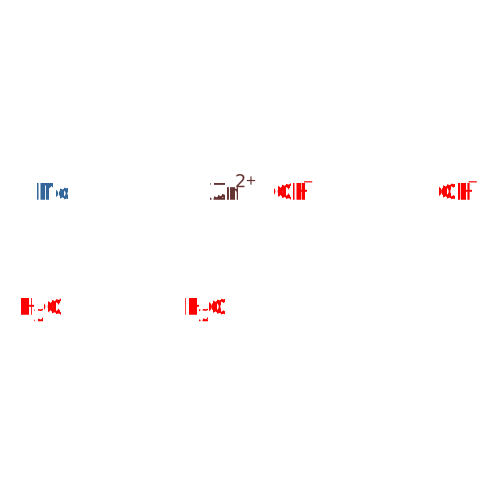
| Chemical Structure |  | |||||||||||||||||||||||||||||||||||||||||||||
| Synonyms |
| |||||||||||||||||||||||||||||||||||||||||||||
| Chemical Formula | H6MoO4Zn | |||||||||||||||||||||||||||||||||||||||||||||
| Average Molecular Mass | 231.390 g/mol | |||||||||||||||||||||||||||||||||||||||||||||
| Monoisotopic Mass | 231.861 g/mol | |||||||||||||||||||||||||||||||||||||||||||||
| CAS Registry Number | 13767-32-3 | |||||||||||||||||||||||||||||||||||||||||||||
| IUPAC Name | zinc(2+) ion dihydrate molybdenum dihydroxide | |||||||||||||||||||||||||||||||||||||||||||||
| Traditional Name | zinc(2+) ion dihydrate molybdenum dihydroxide | |||||||||||||||||||||||||||||||||||||||||||||
| SMILES | O.O.[OH-].[OH-].[Zn++].[Mo] | |||||||||||||||||||||||||||||||||||||||||||||
| InChI Identifier | InChI=1S/Mo.4H2O.Zn/h;4*1H2;/q;;;;;+2/p-2 | |||||||||||||||||||||||||||||||||||||||||||||
| InChI Key | DCMCZXKWIFCESR-UHFFFAOYSA-L | |||||||||||||||||||||||||||||||||||||||||||||
| Chemical Taxonomy | ||||||||||||||||||||||||||||||||||||||||||||||
| Description | belongs to the class of inorganic compounds known as transition metal hydroxides. These are inorganic compounds in which the largest oxoanion is hydroxide, and in which the heaviest atom not in an oxoanion is a transition metal. | |||||||||||||||||||||||||||||||||||||||||||||
| Kingdom | Inorganic compounds | |||||||||||||||||||||||||||||||||||||||||||||
| Super Class | Mixed metal/non-metal compounds | |||||||||||||||||||||||||||||||||||||||||||||
| Class | Transition metal oxoanionic compounds | |||||||||||||||||||||||||||||||||||||||||||||
| Sub Class | Transition metal hydroxides | |||||||||||||||||||||||||||||||||||||||||||||
| Direct Parent | Transition metal hydroxides | |||||||||||||||||||||||||||||||||||||||||||||
| Alternative Parents | ||||||||||||||||||||||||||||||||||||||||||||||
| Substituents |
| |||||||||||||||||||||||||||||||||||||||||||||
| Molecular Framework | Not Available | |||||||||||||||||||||||||||||||||||||||||||||
| External Descriptors | Not Available | |||||||||||||||||||||||||||||||||||||||||||||
| Biological Properties | ||||||||||||||||||||||||||||||||||||||||||||||
| Status | Detected and Not Quantified | |||||||||||||||||||||||||||||||||||||||||||||
| Origin | Exogenous | |||||||||||||||||||||||||||||||||||||||||||||
| Cellular Locations |
| |||||||||||||||||||||||||||||||||||||||||||||
| Biofluid Locations | Not Available | |||||||||||||||||||||||||||||||||||||||||||||
| Tissue Locations | Not Available | |||||||||||||||||||||||||||||||||||||||||||||
| Pathways |
| |||||||||||||||||||||||||||||||||||||||||||||
| Applications | Not Available | |||||||||||||||||||||||||||||||||||||||||||||
| Biological Roles | Not Available | |||||||||||||||||||||||||||||||||||||||||||||
| Chemical Roles | Not Available | |||||||||||||||||||||||||||||||||||||||||||||
| Physical Properties | ||||||||||||||||||||||||||||||||||||||||||||||
| State | Solid | |||||||||||||||||||||||||||||||||||||||||||||
| Appearance | White crystals. | |||||||||||||||||||||||||||||||||||||||||||||
| Experimental Properties |
| |||||||||||||||||||||||||||||||||||||||||||||
| Predicted Properties |
| |||||||||||||||||||||||||||||||||||||||||||||
| Spectra | ||||||||||||||||||||||||||||||||||||||||||||||
| Spectra |
| |||||||||||||||||||||||||||||||||||||||||||||
| Toxicity Profile | ||||||||||||||||||||||||||||||||||||||||||||||
| Route of Exposure | Inhalation (3) ; oral (3) ; dermal (3) | |||||||||||||||||||||||||||||||||||||||||||||
| Mechanism of Toxicity | Anaemia results from the excessive absorption of zinc suppressing copper and iron absorption, most likely through competitive binding of intestinal mucosal cells. Unbalanced levels of copper and zinc binding to Cu,Zn-superoxide dismutase has been linked to amyotrophic lateral sclerosis (ALS). Stomach acid dissolves metallic zinc to give corrosive zinc chloride, which can cause damage to the stomach lining. Metal fume fever is thought to be an immune response to inhaled zinc. (2, 3, 1) | |||||||||||||||||||||||||||||||||||||||||||||
| Metabolism | Zinc can enter the body through the lungs, skin, and gastrointestinal tract. Intestinal absorption of zinc is controlled by zinc carrier protein CRIP. Zinc also binds to metallothioneins, which help prevent absorption of excess zinc. Zinc is widely distributed and found in all tissues and tissues fluids, concentrating in the liver, gastrointestinal tract, kidney, skin, lung, brain, heart, and pancreas. In the bloodstream zinc is found bound to carbonic anhydrase in erythrocytes, as well as bound to albumin, _2-macroglobulin, and amino acids in the the plasma. Albumin and amino acid bound zinc can diffuse across tissue membranes. Zinc is excreted in the urine and faeces. (3) | |||||||||||||||||||||||||||||||||||||||||||||
| Toxicity Values | Not Available | |||||||||||||||||||||||||||||||||||||||||||||
| Lethal Dose | Not Available | |||||||||||||||||||||||||||||||||||||||||||||
| Carcinogenicity (IARC Classification) | No indication of carcinogenicity to humans (not listed by IARC). | |||||||||||||||||||||||||||||||||||||||||||||
| Uses/Sources | Zinc molybdate is used as a corrosion inhibitor. (4) | |||||||||||||||||||||||||||||||||||||||||||||
| Minimum Risk Level | Intermediate Oral: 0.3 mg/kg/day (6) Chronic Oral: 0.3 mg/kg/day (6) | |||||||||||||||||||||||||||||||||||||||||||||
| Health Effects | Chronic exposure to zinc causes anemia, atazia, lethargy, and decreases the level of good cholesterol in the body. It is also believed to cause pancreatic and reproductive damage. (3) | |||||||||||||||||||||||||||||||||||||||||||||
| Symptoms | Ingestion of large doses of zinc causes stomach cramps, nausea, and vomiting. Acute inhalation of large amounts of zinc causes metal fume fever, which is characterized by chills, fever, headache, weakness, dryness of the nose and throat, chest pain, and coughing. Dermal contact with zinc results in skin irritation. (3) | |||||||||||||||||||||||||||||||||||||||||||||
| Treatment | Zinc poisoning is treated symptomatically, often by administering fluids such as water or milk, or with gastric lavage. (3) | |||||||||||||||||||||||||||||||||||||||||||||
| Concentrations | ||||||||||||||||||||||||||||||||||||||||||||||
| Not Available | ||||||||||||||||||||||||||||||||||||||||||||||
| External Links | ||||||||||||||||||||||||||||||||||||||||||||||
| DrugBank ID | Not Available | |||||||||||||||||||||||||||||||||||||||||||||
| HMDB ID | Not Available | |||||||||||||||||||||||||||||||||||||||||||||
| FooDB ID | Not Available | |||||||||||||||||||||||||||||||||||||||||||||
| Phenol Explorer ID | Not Available | |||||||||||||||||||||||||||||||||||||||||||||
| KNApSAcK ID | Not Available | |||||||||||||||||||||||||||||||||||||||||||||
| BiGG ID | Not Available | |||||||||||||||||||||||||||||||||||||||||||||
| BioCyc ID | Not Available | |||||||||||||||||||||||||||||||||||||||||||||
| METLIN ID | Not Available | |||||||||||||||||||||||||||||||||||||||||||||
| PDB ID | Not Available | |||||||||||||||||||||||||||||||||||||||||||||
| Wikipedia Link | Zinc molybdate | |||||||||||||||||||||||||||||||||||||||||||||
| Chemspider ID | Not Available | |||||||||||||||||||||||||||||||||||||||||||||
| ChEBI ID | Not Available | |||||||||||||||||||||||||||||||||||||||||||||
| PubChem Compound ID | 131675350 | |||||||||||||||||||||||||||||||||||||||||||||
| Kegg Compound ID | Not Available | |||||||||||||||||||||||||||||||||||||||||||||
| YMDB ID | Not Available | |||||||||||||||||||||||||||||||||||||||||||||
| ECMDB ID | Not Available | |||||||||||||||||||||||||||||||||||||||||||||
| References | ||||||||||||||||||||||||||||||||||||||||||||||
| Synthesis Reference | Not Available | |||||||||||||||||||||||||||||||||||||||||||||
| MSDS | Not Available | |||||||||||||||||||||||||||||||||||||||||||||
| General References | Not Available | |||||||||||||||||||||||||||||||||||||||||||||