Beryllium fluoride (CHEM000573)
| Record Information | ||||||||||||||||||||||||||||||||||||||||||||||
|---|---|---|---|---|---|---|---|---|---|---|---|---|---|---|---|---|---|---|---|---|---|---|---|---|---|---|---|---|---|---|---|---|---|---|---|---|---|---|---|---|---|---|---|---|---|---|
| Version | 1.0 | |||||||||||||||||||||||||||||||||||||||||||||
| Creation Date | 2009-03-21 01:02:47 UTC | |||||||||||||||||||||||||||||||||||||||||||||
| Update Date | 2026-04-05 18:05:33 UTC | |||||||||||||||||||||||||||||||||||||||||||||
| Accession Number | CHEM000573 | |||||||||||||||||||||||||||||||||||||||||||||
| Identification | ||||||||||||||||||||||||||||||||||||||||||||||
| Common Name | Beryllium fluoride | |||||||||||||||||||||||||||||||||||||||||||||
| Class | Small Molecule | |||||||||||||||||||||||||||||||||||||||||||||
| Description | Beryllium fluoride is a fluoride of beryllium and the principal precursor for the manufacture of beryllium metal. Beryllium is a lightweight alkaline earth metal with the atomic number 4. It is a relatively rare element found naturally only combined with other elements in minerals. (3, 5) | |||||||||||||||||||||||||||||||||||||||||||||
| Contaminant Sources |
| |||||||||||||||||||||||||||||||||||||||||||||
| Contaminant Type |
| |||||||||||||||||||||||||||||||||||||||||||||
| Chemical Structure | 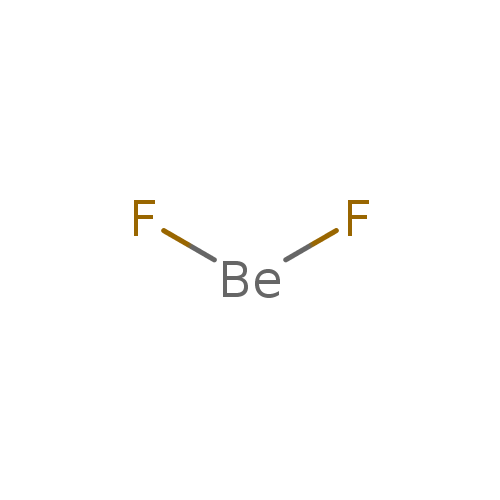 | |||||||||||||||||||||||||||||||||||||||||||||
| Synonyms |
| |||||||||||||||||||||||||||||||||||||||||||||
| Chemical Formula | BeF2 | |||||||||||||||||||||||||||||||||||||||||||||
| Average Molecular Mass | 47.009 g/mol | |||||||||||||||||||||||||||||||||||||||||||||
| Monoisotopic Mass | 47.009 g/mol | |||||||||||||||||||||||||||||||||||||||||||||
| CAS Registry Number | 7787-49-7 | |||||||||||||||||||||||||||||||||||||||||||||
| IUPAC Name | difluoroberyllium | |||||||||||||||||||||||||||||||||||||||||||||
| Traditional Name | beryllium difluoride | |||||||||||||||||||||||||||||||||||||||||||||
| SMILES | F[Be]F | |||||||||||||||||||||||||||||||||||||||||||||
| InChI Identifier | InChI=1S/Be.2FH/h;2*1H/q+2;;/p-2 | |||||||||||||||||||||||||||||||||||||||||||||
| InChI Key | JZKFIPKXQBZXMW-UHFFFAOYSA-L | |||||||||||||||||||||||||||||||||||||||||||||
| Chemical Taxonomy | ||||||||||||||||||||||||||||||||||||||||||||||
| Description | belongs to the class of inorganic compounds known as alkaline earth metal fluorides. These are inorganic compounds in which the largest halogen atom is fluorine, and the heaviest metal atom is a lanthanide. | |||||||||||||||||||||||||||||||||||||||||||||
| Kingdom | Inorganic compounds | |||||||||||||||||||||||||||||||||||||||||||||
| Super Class | Mixed metal/non-metal compounds | |||||||||||||||||||||||||||||||||||||||||||||
| Class | Alkaline earth metal salts | |||||||||||||||||||||||||||||||||||||||||||||
| Sub Class | Alkaline earth metal fluorides | |||||||||||||||||||||||||||||||||||||||||||||
| Direct Parent | Alkaline earth metal fluorides | |||||||||||||||||||||||||||||||||||||||||||||
| Alternative Parents | ||||||||||||||||||||||||||||||||||||||||||||||
| Substituents |
| |||||||||||||||||||||||||||||||||||||||||||||
| Molecular Framework | Not Available | |||||||||||||||||||||||||||||||||||||||||||||
| External Descriptors |
| |||||||||||||||||||||||||||||||||||||||||||||
| Biological Properties | ||||||||||||||||||||||||||||||||||||||||||||||
| Status | Detected and Not Quantified | |||||||||||||||||||||||||||||||||||||||||||||
| Origin | Exogenous | |||||||||||||||||||||||||||||||||||||||||||||
| Cellular Locations |
| |||||||||||||||||||||||||||||||||||||||||||||
| Biofluid Locations | Not Available | |||||||||||||||||||||||||||||||||||||||||||||
| Tissue Locations | Not Available | |||||||||||||||||||||||||||||||||||||||||||||
| Pathways | Not Available | |||||||||||||||||||||||||||||||||||||||||||||
| Applications | Not Available | |||||||||||||||||||||||||||||||||||||||||||||
| Biological Roles | Not Available | |||||||||||||||||||||||||||||||||||||||||||||
| Chemical Roles | Not Available | |||||||||||||||||||||||||||||||||||||||||||||
| Physical Properties | ||||||||||||||||||||||||||||||||||||||||||||||
| State | Solid | |||||||||||||||||||||||||||||||||||||||||||||
| Appearance | Colorless soild. | |||||||||||||||||||||||||||||||||||||||||||||
| Experimental Properties |
| |||||||||||||||||||||||||||||||||||||||||||||
| Predicted Properties |
| |||||||||||||||||||||||||||||||||||||||||||||
| Spectra | ||||||||||||||||||||||||||||||||||||||||||||||
| Spectra |
| |||||||||||||||||||||||||||||||||||||||||||||
| Toxicity Profile | ||||||||||||||||||||||||||||||||||||||||||||||
| Route of Exposure | Inhalation (3) | |||||||||||||||||||||||||||||||||||||||||||||
| Mechanism of Toxicity | Once in the body, beryllium acts as a hapten and interacts with human leucocyte antigen (HLA) DP presenting cells in the lungs, becoming physically associated with a major histocompatability (MHC) class II molecule. This MHC class II-beryllium-peptide complex is recognized by the T lymphocyte receptor, triggering CD4+ T lymphocyte activation and proliferation. The resulting inflammatory response is a cell-mediated process orchestrated by cytokines and results in the formation of (usually pulmonary) granulomas. Beryllium's toxicity may be controlled by the iron-storage protein ferritin, which sequesters beryllium by binding it and preventing it from interacting with other enzymes. (4, 1, 2) | |||||||||||||||||||||||||||||||||||||||||||||
| Metabolism | Beryllium is absorbed mainly through the lungs, where it enters the bloodstream and is transported throughout the body by binding to prealbumins and _-globulins. Beryllium accumulates in lung tissue and the skeleton. It is excreted mainly in the urine. (4) | |||||||||||||||||||||||||||||||||||||||||||||
| Toxicity Values | LD50: 98 mg/kg (Oral, Rat) (8) LD50: 100 mg/kg (Oral, Mouse) (8) | |||||||||||||||||||||||||||||||||||||||||||||
| Lethal Dose | Not Available | |||||||||||||||||||||||||||||||||||||||||||||
| Carcinogenicity (IARC Classification) | 1, carcinogenic to humans. (7) | |||||||||||||||||||||||||||||||||||||||||||||
| Uses/Sources | Beryllliu fluoride is the principal precursor for the manufacture of beryllium metal. It is also used in protein crystallography and in liquid-fluoride nuclear reactors. (5) | |||||||||||||||||||||||||||||||||||||||||||||
| Minimum Risk Level | Chronic Oral: 0.002 mg/kg/day (6) | |||||||||||||||||||||||||||||||||||||||||||||
| Health Effects | Acute inhalation of a high level of beryllium can result in a pneumonia-like condition called acute beryllium disease. Chronic inhalation of beryllium can cause an inflammatory reaction in the respiratory system called chronic beryllium disease. Chronic beryllium disease may result in anorexia and weight loss, as well as right side heart enlargement and heart disease in advanced cases. Chronic exposure can also increase the risk of lung cancer. Skin contact with beryllium results in contact dermatitus. (3, 4) | |||||||||||||||||||||||||||||||||||||||||||||
| Symptoms | Chronic beryllium disease causes fatigue, weakness, difficulty breathing, and a persistent dry cough. (3, 4) | |||||||||||||||||||||||||||||||||||||||||||||
| Treatment | Chronic beryllium disease is treated with immunosuppressive medicines, usually of the glucocorticoid class. (3) | |||||||||||||||||||||||||||||||||||||||||||||
| Concentrations | ||||||||||||||||||||||||||||||||||||||||||||||
| Not Available | ||||||||||||||||||||||||||||||||||||||||||||||
| External Links | ||||||||||||||||||||||||||||||||||||||||||||||
| DrugBank ID | Not Available | |||||||||||||||||||||||||||||||||||||||||||||
| HMDB ID | Not Available | |||||||||||||||||||||||||||||||||||||||||||||
| FooDB ID | Not Available | |||||||||||||||||||||||||||||||||||||||||||||
| Phenol Explorer ID | Not Available | |||||||||||||||||||||||||||||||||||||||||||||
| KNApSAcK ID | Not Available | |||||||||||||||||||||||||||||||||||||||||||||
| BiGG ID | Not Available | |||||||||||||||||||||||||||||||||||||||||||||
| BioCyc ID | CPD0-1230 | |||||||||||||||||||||||||||||||||||||||||||||
| METLIN ID | Not Available | |||||||||||||||||||||||||||||||||||||||||||||
| PDB ID | Not Available | |||||||||||||||||||||||||||||||||||||||||||||
| Wikipedia Link | Beryllium fluoride | |||||||||||||||||||||||||||||||||||||||||||||
| Chemspider ID | Not Available | |||||||||||||||||||||||||||||||||||||||||||||
| ChEBI ID | 49499 | |||||||||||||||||||||||||||||||||||||||||||||
| PubChem Compound ID | 24589 | |||||||||||||||||||||||||||||||||||||||||||||
| Kegg Compound ID | Not Available | |||||||||||||||||||||||||||||||||||||||||||||
| YMDB ID | Not Available | |||||||||||||||||||||||||||||||||||||||||||||
| ECMDB ID | Not Available | |||||||||||||||||||||||||||||||||||||||||||||
| References | ||||||||||||||||||||||||||||||||||||||||||||||
| Synthesis Reference | Not Available | |||||||||||||||||||||||||||||||||||||||||||||
| MSDS | Not Available | |||||||||||||||||||||||||||||||||||||||||||||
| General References | ||||||||||||||||||||||||||||||||||||||||||||||