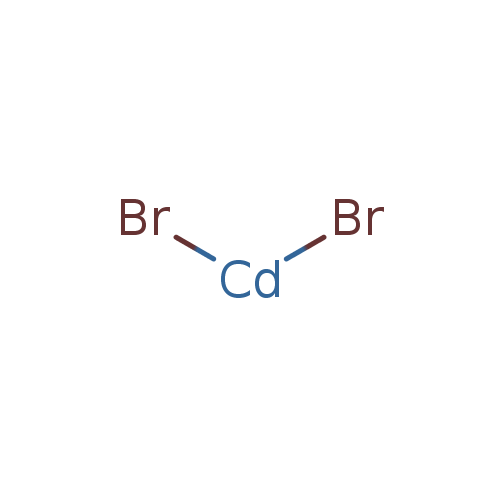
Cadmium bromide is a bromide of cadmium used in photography, engraving and lithography. Cadmium is a transition metal and chemical element with the symbol Cd and atomic number 48. It is found naturally in the earth's crust, though rarely on it's own. Bromine is a halogen element with the symbol Br and atomic number 35. Diatomic bromine does not occur naturally, but bromine salts can be found in crustal rock. (12, 5, 11)
belongs to the class of inorganic compounds known as transition metal bromides. These are inorganic compounds in which the largest halogen atom is Bromine, and the heaviest metal atom a transition metal.
Cadmium initially binds to metallothionein and is transported to the kidney. Toxic effects are observed once the concentration of cadmium exceeds that of available metallothionein, and it has also been shown that the cadmium-metallothionein complex may be damaging. Accumulation of cadmium in the kidney results in increased excretion of vital low and high weight molecular proteins. Cadmium is a high affinity zinc analog and can interfere in its biological processes. It also binds to and activates the estrogen receptor, likely stimulating the growth of certain types of cancer cells and causing other estrogenic effects, such as reproductive dysfunction. Cadmium causes cell apoptosis by activating mitogen-activated protein kinases. Bromine is a powerful oxidizing agent and is able to release oxygen free radicals from the water in mucous membranes. These free radicals are also potent oxidizers and produce tissue damage. In additon, the formation of hydrobromic and bromic acids will result in secondary irritation. The bromide ion is also known to affect the central nervous system, causing bromism. This is believed to be a result of bromide ions substituting for chloride ions in the in actions of neurotransmitters and transport systems, thus affecting numerous synaptic processes. (13, 14, 4, 6, 1, 2, 3)
Metabolism
Cadmium is absorbed from oral, inhalation, and dermal routes. Cadmium initially binds to metallothionein and albumin and is transported mainly to the kidney and liver. Toxic effects are observed once the concentration of cadmium exceeds that of available metallothionein, and it has also been shown that the cadmium-metallothionein complex may be damaging. Cadmium is not known to undergo any direct metabolic conversion and is excreted unchanged, mainly in the urine. Bromine is mainly absorbed via inhalation, but may also enter the body through dermal contact. Bromine salts can be ingested. Due to its reactivity, bromine quickly forms bromide and may be deposited in the tissues, displacing other halogens. (13, 5)
Chronic exposure to cadmium fumes can cause chemical pneumonitis, pulmonary edema, and lung diseases such as bronchitis and emphysema. Cadmium also accumulates in the kidneys, causing permanent damage. Loss of bone density also occurs. Bromine vapour causes irritation and direct damage to the mucous membranes. Elemental bromine also burns the skin. The bromide ion is a central nervous system depressant and chronic exposure produces neuronal effects. This is called bromism and can result in central reactions reaching from somnolence to coma, cachexia, exicosis, loss of reflexes or pathologic reflexes, clonic seizures, tremor, ataxia, loss of neural sensitivity, paresis, papillar edema of the eyes, abnormal speech, cerebral edema, delirium, aggressiveness, and psychoses. (12, 13, 14, 5)
Symptoms
Acute inhalation of cadmium fumes results in metal fume fever, which is characterized by chills, fever, headache, weakness, dryness of the nose and throat, chest pain, and coughing. Ingestion of cadmium causes vomiting and diarrhea. (5)
Treatment
EYES: irrigate opened eyes for several minutes under running water.
INGESTION: do not induce vomiting. Rinse mouth with water (never give anything by mouth to an unconscious person). Seek immediate medical advice.
SKIN: should be treated immediately by rinsing the affected parts in cold running water for at least 15 minutes, followed by thorough washing with soap and water. If necessary, the person should shower and change contaminated clothing and shoes, and then must seek medical attention.
INHALATION: supply fresh air. If required provide artificial respiration.