Vanadium (CHEM000176)
| Record Information | ||||||||||||||||||||||||||||||||||||||||||||||
|---|---|---|---|---|---|---|---|---|---|---|---|---|---|---|---|---|---|---|---|---|---|---|---|---|---|---|---|---|---|---|---|---|---|---|---|---|---|---|---|---|---|---|---|---|---|---|
| Version | 1.0 | |||||||||||||||||||||||||||||||||||||||||||||
| Creation Date | 2009-03-06 18:58:16 UTC | |||||||||||||||||||||||||||||||||||||||||||||
| Update Date | 2026-05-14 19:39:03 UTC | |||||||||||||||||||||||||||||||||||||||||||||
| Accession Number | CHEM000176 | |||||||||||||||||||||||||||||||||||||||||||||
| Identification | ||||||||||||||||||||||||||||||||||||||||||||||
| Common Name | Vanadium | |||||||||||||||||||||||||||||||||||||||||||||
| Class | Small Molecule | |||||||||||||||||||||||||||||||||||||||||||||
| Description | Vanadium is a steel-grey, corrosion-resistant metal, which exists in oxidation states ranging from -1 to +5. Metallic vanadium does not occur in nature, and the most common valence states are +3, +4, and +5. The pentavalent form (VO3-) predominates in extracellular body fluids whereas the quadrivalent form (VO+2) is the most common intracellular form. Because of its hardness and its ability to form alloys, vanadium (i.e., ferrovanadium) is a common component of hard steel alloys used in machines and tools. Although most foods contain low concentrations of vanadium (< 1 ng/g), food is the major source of exposure to vanadium for the general population. High air concentrations of vanadium occur in the occupation setting during boiler-cleaning operations as a result of the presence of vanadium oxides in the dust. The lungs absorb soluble vanadium compounds (V2O5) well, but the absorption of vanadium salts from the gastrointestinal tract is poor. The excretion of vanadium by the kidneys is rapid with a biological half-life of 20-40 hours in the urine. Physiologically, it exists as an ion in the body. Vanadium is probably an essential trace element, but a vanadium-deficiency disease has not been identified in humans. The estimated daily intake of the US population ranges from 10-60 micrograms V. Vanadyl sulfate is a common supplement used to enhance weight training in athletes at doses up to 60 mg/d. In vitro and animal studies indicate that vanadate and other vanadium compounds increase glucose transport activity and improve glucose metabolism. In general, the toxicity of vanadium compounds is low. Pentavalent compounds are the most toxic and the toxicity of vanadium compounds usually increases as the valence increases. Most of the toxic effects of vanadium compounds result from local irritation of the eyes and upper respiratory tract rather than systemic toxicity. The only clearly documented effect of exposure to vanadium dust is upper respiratory tract irritation characterized by rhinitis, wheezing, nasal hemorrhage, conjunctivitis, cough, sore throat, and chest pain. Case studies have described the onset of asthma after heavy exposure to vanadium compounds, but clinical studies to date have not detected an increased prevalence of asthma in workers exposed to vanadium. Vanadium is a trace element present in practically all cells in plants and animals. It exerts interesting actions in living systems. At pharmacological doses, vanadium compounds display relevant biological actions such as mimicking insulin and growth factors as well as having osteogenic activity. Some vanadium compounds also show antitumoral properties. The importance of vanadium in bone arises from the studies developed to establish the essentiality of this element in animals and humans. Bone tissue, where the element seems to play an important role, accumulates great amounts of vanadium. Among several metals, vanadium has emerged as an extremely potent agent with insulin-like properties. These insulin-like properties have been demonstrated in isolated cells, tissues, different animal models of type I and type II diabetes as well as a limited number of human subjects. Vanadium treatment has been found to improve abnormalities of carbohydrate and lipid metabolism and of gene expression in rodent models of diabetes. In isolated cells, it enhances glucose transport, glycogen and lipid synthesis, and inhibits gluconeogenesis and lipolysis. The molecular mechanism responsible for the insulin-like effects of vanadium compounds have been shown to involve the activation of several key components of insulin-signaling pathways that include the mitogen-activated-protein kinases (MAPKs) extracellular signal-regulated kinase 1/2 (ERK1/2) and p38MAPK, and phosphatidylinositol 3-kinase (PI3-K)/protein kinase B (PKB). (6, 7, 8) | |||||||||||||||||||||||||||||||||||||||||||||
| Contaminant Sources |
| |||||||||||||||||||||||||||||||||||||||||||||
| Contaminant Type |
| |||||||||||||||||||||||||||||||||||||||||||||
| Chemical Structure | 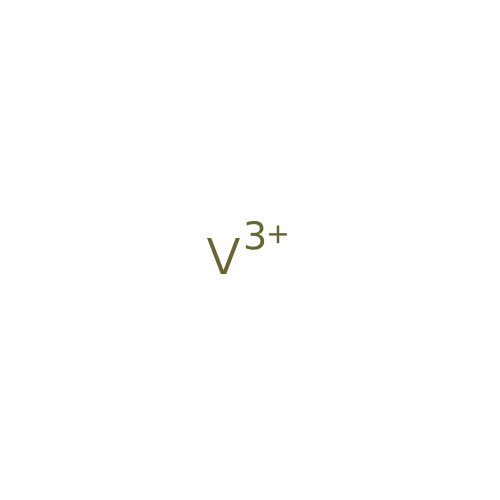 | |||||||||||||||||||||||||||||||||||||||||||||
| Synonyms |
| |||||||||||||||||||||||||||||||||||||||||||||
| Chemical Formula | V | |||||||||||||||||||||||||||||||||||||||||||||
| Average Molecular Mass | 50.942 g/mol | |||||||||||||||||||||||||||||||||||||||||||||
| Monoisotopic Mass | 50.944 g/mol | |||||||||||||||||||||||||||||||||||||||||||||
| CAS Registry Number | 7440-62-2 | |||||||||||||||||||||||||||||||||||||||||||||
| IUPAC Name | vanadium | |||||||||||||||||||||||||||||||||||||||||||||
| Traditional Name | vanadium(3+) ion | |||||||||||||||||||||||||||||||||||||||||||||
| SMILES | [V+3] | |||||||||||||||||||||||||||||||||||||||||||||
| InChI Identifier | InChI=1S/V/q+3 | |||||||||||||||||||||||||||||||||||||||||||||
| InChI Key | KOKKJWHERHSKEB-UHFFFAOYSA-N | |||||||||||||||||||||||||||||||||||||||||||||
| Chemical Taxonomy | ||||||||||||||||||||||||||||||||||||||||||||||
| Description | belongs to the class of inorganic compounds known as homogeneous transition metal compounds. These are inorganic compounds containing only metal atoms,with the largest atom being a transition metal atom. | |||||||||||||||||||||||||||||||||||||||||||||
| Kingdom | Inorganic compounds | |||||||||||||||||||||||||||||||||||||||||||||
| Super Class | Homogeneous metal compounds | |||||||||||||||||||||||||||||||||||||||||||||
| Class | Homogeneous transition metal compounds | |||||||||||||||||||||||||||||||||||||||||||||
| Sub Class | Not Available | |||||||||||||||||||||||||||||||||||||||||||||
| Direct Parent | Homogeneous transition metal compounds | |||||||||||||||||||||||||||||||||||||||||||||
| Alternative Parents | Not Available | |||||||||||||||||||||||||||||||||||||||||||||
| Substituents |
| |||||||||||||||||||||||||||||||||||||||||||||
| Molecular Framework | Not Available | |||||||||||||||||||||||||||||||||||||||||||||
| External Descriptors |
| |||||||||||||||||||||||||||||||||||||||||||||
| Biological Properties | ||||||||||||||||||||||||||||||||||||||||||||||
| Status | Detected and Not Quantified | |||||||||||||||||||||||||||||||||||||||||||||
| Origin | Exogenous | |||||||||||||||||||||||||||||||||||||||||||||
| Cellular Locations |
| |||||||||||||||||||||||||||||||||||||||||||||
| Biofluid Locations | Not Available | |||||||||||||||||||||||||||||||||||||||||||||
| Tissue Locations | Not Available | |||||||||||||||||||||||||||||||||||||||||||||
| Pathways | Not Available | |||||||||||||||||||||||||||||||||||||||||||||
| Applications | Not Available | |||||||||||||||||||||||||||||||||||||||||||||
| Biological Roles | ||||||||||||||||||||||||||||||||||||||||||||||
| Chemical Roles | Not Available | |||||||||||||||||||||||||||||||||||||||||||||
| Physical Properties | ||||||||||||||||||||||||||||||||||||||||||||||
| State | Solid | |||||||||||||||||||||||||||||||||||||||||||||
| Appearance | Grey metallic solid. | |||||||||||||||||||||||||||||||||||||||||||||
| Experimental Properties |
| |||||||||||||||||||||||||||||||||||||||||||||
| Predicted Properties |
| |||||||||||||||||||||||||||||||||||||||||||||
| Spectra | ||||||||||||||||||||||||||||||||||||||||||||||
| Spectra |
| |||||||||||||||||||||||||||||||||||||||||||||
| Toxicity Profile | ||||||||||||||||||||||||||||||||||||||||||||||
| Route of Exposure | Oral (14) ; inhalation (14) ; dermal (14) | |||||||||||||||||||||||||||||||||||||||||||||
| Mechanism of Toxicity | Vanadium damages alveolar macrophages by decreasing the macrophage membrane integrity, thus impairing the cell's phagocytotic ability and viability. The pentavalent form of vanadium, vanadate, is a potent inhibitor of the Ca+-ATPase and Na+,K+-ATPase of plasma membranes, which decreases intracellular ATP concentration. Vanadium is also believed to induce the production of reactive oxygen species. This may damage DNA and also cause oxidative stress, which can damage the reproductive system. Vanadium also inhibits protein tyrosine phosphatases, producing insulin-like effects. (14, 1, 2, 3, 4, 5) | |||||||||||||||||||||||||||||||||||||||||||||
| Metabolism | Vanadium is absorbed mainly via inhalation, though small amounts can be absorbed through the skin and gastrointestional tract. It is rapidly distributed in the plasma, mainly to the kidney, liver, lungs, heart, bone, where it tends to accumulate. With the help of cytochrome P-450 enzymes, it can interconvert between its two oxidation states, vanadyl (V+4) and vanadate (V+5). Both states of vanadium can reversibly bind to transferrin protein in the blood and then be taken up into erythrocytes. Vanadium is excreted mainly in the urine. (14) | |||||||||||||||||||||||||||||||||||||||||||||
| Toxicity Values | Not Available | |||||||||||||||||||||||||||||||||||||||||||||
| Lethal Dose | Not Available | |||||||||||||||||||||||||||||||||||||||||||||
| Carcinogenicity (IARC Classification) | No indication of carcinogenicity to humans (not listed by IARC). | |||||||||||||||||||||||||||||||||||||||||||||
| Uses/Sources | Vanadium is mainly used to produce specialty steel alloys such as high speed tool steels. It is also mixed with iron to make important parts for aircraft engines, and small amounts are used in making rubber, plastics, ceramics, and other chemicals. (14, 15) | |||||||||||||||||||||||||||||||||||||||||||||
| Minimum Risk Level | Acute Inhalation: 0.0002 mg/m3 (13) Intermediate Oral: 0.003 mg/kg/day (13) | |||||||||||||||||||||||||||||||||||||||||||||
| Health Effects | Breathing high levels of vanadium affects the lungs, throat, and eyes. Ingestion of vanadium may cause kidney and liver damage, birth defects, or death. (14) | |||||||||||||||||||||||||||||||||||||||||||||
| Symptoms | Inhalation of vanadium causes lung irritation, coughing, wheezing, chest pain, runny nose, and a sore throat. (14) | |||||||||||||||||||||||||||||||||||||||||||||
| Treatment | Not Available | |||||||||||||||||||||||||||||||||||||||||||||
| Concentrations | ||||||||||||||||||||||||||||||||||||||||||||||
| Not Available | ||||||||||||||||||||||||||||||||||||||||||||||
| External Links | ||||||||||||||||||||||||||||||||||||||||||||||
| DrugBank ID | Not Available | |||||||||||||||||||||||||||||||||||||||||||||
| HMDB ID | HMDB0002503 | |||||||||||||||||||||||||||||||||||||||||||||
| FooDB ID | Not Available | |||||||||||||||||||||||||||||||||||||||||||||
| Phenol Explorer ID | Not Available | |||||||||||||||||||||||||||||||||||||||||||||
| KNApSAcK ID | Not Available | |||||||||||||||||||||||||||||||||||||||||||||
| BiGG ID | Not Available | |||||||||||||||||||||||||||||||||||||||||||||
| BioCyc ID | Not Available | |||||||||||||||||||||||||||||||||||||||||||||
| METLIN ID | Not Available | |||||||||||||||||||||||||||||||||||||||||||||
| PDB ID | Not Available | |||||||||||||||||||||||||||||||||||||||||||||
| Wikipedia Link | Vanadium | |||||||||||||||||||||||||||||||||||||||||||||
| Chemspider ID | 10659555 | |||||||||||||||||||||||||||||||||||||||||||||
| ChEBI ID | 49948 | |||||||||||||||||||||||||||||||||||||||||||||
| PubChem Compound ID | Not Available | |||||||||||||||||||||||||||||||||||||||||||||
| Kegg Compound ID | C06267 | |||||||||||||||||||||||||||||||||||||||||||||
| YMDB ID | Not Available | |||||||||||||||||||||||||||||||||||||||||||||
| ECMDB ID | Not Available | |||||||||||||||||||||||||||||||||||||||||||||
| References | ||||||||||||||||||||||||||||||||||||||||||||||
| Synthesis Reference | Not Available | |||||||||||||||||||||||||||||||||||||||||||||
| MSDS | Link | |||||||||||||||||||||||||||||||||||||||||||||
| General References | ||||||||||||||||||||||||||||||||||||||||||||||