Carbon monoxide (CHEM000170)
| Record Information | |||||||||||||||||||||||||||||||||||||||||||||||||
|---|---|---|---|---|---|---|---|---|---|---|---|---|---|---|---|---|---|---|---|---|---|---|---|---|---|---|---|---|---|---|---|---|---|---|---|---|---|---|---|---|---|---|---|---|---|---|---|---|---|
| Version | 1.0 | ||||||||||||||||||||||||||||||||||||||||||||||||
| Creation Date | 2009-03-06 18:58:15 UTC | ||||||||||||||||||||||||||||||||||||||||||||||||
| Update Date | 2026-05-14 19:10:44 UTC | ||||||||||||||||||||||||||||||||||||||||||||||||
| Accession Number | CHEM000170 | ||||||||||||||||||||||||||||||||||||||||||||||||
| Identification | |||||||||||||||||||||||||||||||||||||||||||||||||
| Common Name | Carbon monoxide | ||||||||||||||||||||||||||||||||||||||||||||||||
| Class | Small Molecule | ||||||||||||||||||||||||||||||||||||||||||||||||
| Description | Carbon monoxide, with the chemical formula CO, is a colorless, odorless, and tasteless gas. It is the product of the incomplete combustion of carbon-containing compounds, notably in internal-combustion engines. It consists of one carbon atom covalently bonded to one oxygen atom. It is a gas at room temperature. Carbon monoxide is a significantly toxic gas and is the most common type of fatal poisoning in many countries. Exposures can lead to significant toxicity of the central nervous system and heart. Carbon monoxide has a higher diffusion coefficient compared to oxygen and the only enzyme in the human body that produces carbon monoxide is heme oxygenase which is located in all cells and breaks down heme. Because it has a higher diffusion coefficient than oxygen the body easily gets rid of any CO made. When CO is not ventilated it binds to hemoglobin, which is the principal oxygen-carrying compound in blood; this produces a compound known as carboxyhemoglobin. The traditional belief is that carbon monoxide toxicity arises from the formation of carboxyhemoglobin, which decreases the oxygen-carrying capacity of the blood and inhibits the transport, delivery, and utilization of oxygen by the body. The affinity between hemoglobin and carbon monoxide is approximately 230 times stronger than the affinity between hemoglobin and oxygen so hemoglobin binds to carbon monoxide in preference to oxygen. Following poisoning, long-term sequelae often occur. Carbon monoxide can also have severe effects on the fetus of a pregnant woman. Despite its serious toxicity, CO is extremely useful and underpins much modern technology, being a precursor to a myriad of useful - even life-saving - products. Carbon monoxide, though thought of as a pollutant today, has always been present in the atmosphere, chiefly as a product of volcanic activity. It occurs dissolved in molten volcanic rock at high pressures in the earth's mantle. Carbon monoxide contents of volcanic gases vary from less than 0.01% to as much as 2% depending on the volcano. It also occurs naturally in bushfires. Because natural sources of carbon monoxide are so variable from year to year, it is extremely difficult to accurately measure natural emissions of the gas. (wikipedia). | ||||||||||||||||||||||||||||||||||||||||||||||||
| Contaminant Sources |
| ||||||||||||||||||||||||||||||||||||||||||||||||
| Contaminant Type |
| ||||||||||||||||||||||||||||||||||||||||||||||||
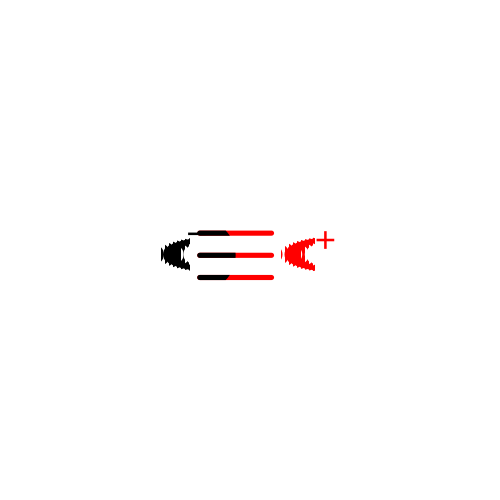
| Chemical Structure |  | ||||||||||||||||||||||||||||||||||||||||||||||||
| Synonyms |
| ||||||||||||||||||||||||||||||||||||||||||||||||
| Chemical Formula | CO | ||||||||||||||||||||||||||||||||||||||||||||||||
| Average Molecular Mass | 28.010 g/mol | ||||||||||||||||||||||||||||||||||||||||||||||||
| Monoisotopic Mass | 27.995 g/mol | ||||||||||||||||||||||||||||||||||||||||||||||||
| CAS Registry Number | 630-08-0 | ||||||||||||||||||||||||||||||||||||||||||||||||
| IUPAC Name | Not Available | ||||||||||||||||||||||||||||||||||||||||||||||||
| Traditional Name | Not Available | ||||||||||||||||||||||||||||||||||||||||||||||||
| SMILES | [C-]#[O+] | ||||||||||||||||||||||||||||||||||||||||||||||||
| InChI Identifier | InChI=1S/CO/c1-2 | ||||||||||||||||||||||||||||||||||||||||||||||||
| InChI Key | UGFAIRIUMAVXCW-UHFFFAOYSA-N | ||||||||||||||||||||||||||||||||||||||||||||||||
| Chemical Taxonomy | |||||||||||||||||||||||||||||||||||||||||||||||||
| Description | belongs to the class of inorganic compounds known as homogeneous other non-metal compounds. These are inorganic non-metallic compounds in which the largest atom belongs to the class of 'other non-metals'. | ||||||||||||||||||||||||||||||||||||||||||||||||
| Kingdom | Inorganic compounds | ||||||||||||||||||||||||||||||||||||||||||||||||
| Super Class | Homogeneous non-metal compounds | ||||||||||||||||||||||||||||||||||||||||||||||||
| Class | Homogeneous other non-metal compounds | ||||||||||||||||||||||||||||||||||||||||||||||||
| Sub Class | Not Available | ||||||||||||||||||||||||||||||||||||||||||||||||
| Direct Parent | Homogeneous other non-metal compounds | ||||||||||||||||||||||||||||||||||||||||||||||||
| Alternative Parents | Not Available | ||||||||||||||||||||||||||||||||||||||||||||||||
| Substituents |
| ||||||||||||||||||||||||||||||||||||||||||||||||
| Molecular Framework | Not Available | ||||||||||||||||||||||||||||||||||||||||||||||||
| External Descriptors |
| ||||||||||||||||||||||||||||||||||||||||||||||||
| Biological Properties | |||||||||||||||||||||||||||||||||||||||||||||||||
| Status | Detected and Not Quantified | ||||||||||||||||||||||||||||||||||||||||||||||||
| Origin | Endogenous | ||||||||||||||||||||||||||||||||||||||||||||||||
| Cellular Locations |
| ||||||||||||||||||||||||||||||||||||||||||||||||
| Biofluid Locations | Not Available | ||||||||||||||||||||||||||||||||||||||||||||||||
| Tissue Locations | Not Available | ||||||||||||||||||||||||||||||||||||||||||||||||
| Pathways | Not Available | ||||||||||||||||||||||||||||||||||||||||||||||||
| Applications | |||||||||||||||||||||||||||||||||||||||||||||||||
| Biological Roles | |||||||||||||||||||||||||||||||||||||||||||||||||
| Chemical Roles | |||||||||||||||||||||||||||||||||||||||||||||||||
| Physical Properties | |||||||||||||||||||||||||||||||||||||||||||||||||
| State | Gas | ||||||||||||||||||||||||||||||||||||||||||||||||
| Appearance | Colorless gas. | ||||||||||||||||||||||||||||||||||||||||||||||||
| Experimental Properties |
| ||||||||||||||||||||||||||||||||||||||||||||||||
| Predicted Properties |
| ||||||||||||||||||||||||||||||||||||||||||||||||
| Spectra | |||||||||||||||||||||||||||||||||||||||||||||||||
| Spectra |
| ||||||||||||||||||||||||||||||||||||||||||||||||
| Toxicity Profile | |||||||||||||||||||||||||||||||||||||||||||||||||
| Route of Exposure | Inhalation (1) | ||||||||||||||||||||||||||||||||||||||||||||||||
| Mechanism of Toxicity | Carbon monoxide possesses a higher affinity than oxygen for hemoglobin, leading to the formation of carboxyhemoglobin, this provoking anoxemia. Carbon monoxide also binds to myoglobin, impairing its ability to utilize oxygen. It can also bind to cytochrome c oxidase, though with a lesser affinity than oxygen. This interferes with aerobic metabolism and efficient ATP synthesis. As a result, cells switch to anaerobic metabolism, causing anoxia, lactic acidosis, and eventual cell death. Carbon monoxide also causes endothelial cell and platelet release of nitric oxide, and the formation of oxygen free radicals. This results in lipid peroxidation, leading to edema and necrosis within the brain. (2) | ||||||||||||||||||||||||||||||||||||||||||||||||
| Metabolism | Not Available | ||||||||||||||||||||||||||||||||||||||||||||||||
| Toxicity Values | Not Available | ||||||||||||||||||||||||||||||||||||||||||||||||
| Lethal Dose | 5000 ppm over 5 minutes for an adult human. (3) | ||||||||||||||||||||||||||||||||||||||||||||||||
| Carcinogenicity (IARC Classification) | No indication of carcinogenicity to humans (not listed by IARC). | ||||||||||||||||||||||||||||||||||||||||||||||||
| Uses/Sources | Carbon monoxide is a major atmospheric pollutant in urban areas, chiefly from exhaust of internal combustion engines, but also from improper burning of various other fuels. (1) | ||||||||||||||||||||||||||||||||||||||||||||||||
| Minimum Risk Level | Not Available | ||||||||||||||||||||||||||||||||||||||||||||||||
| Health Effects | Chronic exposure to low levels of carbon monoxide may cause persistent headaches, lightheadedness, depression, confusion, memory loss, and nausea and vomiting. (2) | ||||||||||||||||||||||||||||||||||||||||||||||||
| Symptoms | Early symptoms of acute carbon monoxide poisoning are nonspecific and include headaches, nausea, and fatigue. Symptoms may progress to tachycardia and hypertension. The central nervous system is one of the organ systems most sensitive to poisoning and symptoms displayed include dizziness, ataxia, confusion, convulsions, unconsciousness, respiratory arrest, and even death. (2) | ||||||||||||||||||||||||||||||||||||||||||||||||
| Treatment | Carbon monoxide poisoning is first treated by immediate removal from the source of exposure. High-flow or 100% oxygen should then be administered by a nonrebreather reservoir oxygen mask. Oxygen hastens the dissociation of carbon monoxide from hemoglobin, improving tissue oxygenation by reducing carbon monoxides biological half-life. Hyperbaric oxygen may also be used, as it increases carboxyhemoglobin dissociation to a greater extent than normal oxygen. (2) | ||||||||||||||||||||||||||||||||||||||||||||||||
| Concentrations | |||||||||||||||||||||||||||||||||||||||||||||||||
| Not Available | |||||||||||||||||||||||||||||||||||||||||||||||||
| External Links | |||||||||||||||||||||||||||||||||||||||||||||||||
| DrugBank ID | DB11588 | ||||||||||||||||||||||||||||||||||||||||||||||||
| HMDB ID | HMDB0001361 | ||||||||||||||||||||||||||||||||||||||||||||||||
| FooDB ID | FDB022578 | ||||||||||||||||||||||||||||||||||||||||||||||||
| Phenol Explorer ID | Not Available | ||||||||||||||||||||||||||||||||||||||||||||||||
| KNApSAcK ID | Not Available | ||||||||||||||||||||||||||||||||||||||||||||||||
| BiGG ID | 1749973 | ||||||||||||||||||||||||||||||||||||||||||||||||
| BioCyc ID | CARBON-MONOXIDE | ||||||||||||||||||||||||||||||||||||||||||||||||
| METLIN ID | Not Available | ||||||||||||||||||||||||||||||||||||||||||||||||
| PDB ID | Not Available | ||||||||||||||||||||||||||||||||||||||||||||||||
| Wikipedia Link | Carbon_monoxide | ||||||||||||||||||||||||||||||||||||||||||||||||
| Chemspider ID | 275 | ||||||||||||||||||||||||||||||||||||||||||||||||
| ChEBI ID | 17245 | ||||||||||||||||||||||||||||||||||||||||||||||||
| PubChem Compound ID | 281 | ||||||||||||||||||||||||||||||||||||||||||||||||
| Kegg Compound ID | C00237 | ||||||||||||||||||||||||||||||||||||||||||||||||
| YMDB ID | YMDB16138 | ||||||||||||||||||||||||||||||||||||||||||||||||
| ECMDB ID | ECMDB23004 | ||||||||||||||||||||||||||||||||||||||||||||||||
| References | |||||||||||||||||||||||||||||||||||||||||||||||||
| Synthesis Reference | Ivanova, Svetlana; Pitchon, Veronique; Petit, Corinne. Application of the direct exchange method in the preparation of gold catalysts supported on different oxide materials. Journal of Molecular Catalysis A: Chemical (2006), 256(1-2), 278-283. | ||||||||||||||||||||||||||||||||||||||||||||||||
| MSDS | Not Available | ||||||||||||||||||||||||||||||||||||||||||||||||
| General References | |||||||||||||||||||||||||||||||||||||||||||||||||