Cobalt (CHEM000045)
| Record Information | |||||||||||||||||||||||||||||||||||||||||||||||||
|---|---|---|---|---|---|---|---|---|---|---|---|---|---|---|---|---|---|---|---|---|---|---|---|---|---|---|---|---|---|---|---|---|---|---|---|---|---|---|---|---|---|---|---|---|---|---|---|---|---|
| Version | 1.0 | ||||||||||||||||||||||||||||||||||||||||||||||||
| Creation Date | 2009-03-06 18:57:59 UTC | ||||||||||||||||||||||||||||||||||||||||||||||||
| Update Date | 2026-05-14 19:43:21 UTC | ||||||||||||||||||||||||||||||||||||||||||||||||
| Accession Number | CHEM000045 | ||||||||||||||||||||||||||||||||||||||||||||||||
| Identification | |||||||||||||||||||||||||||||||||||||||||||||||||
| Common Name | Cobalt | ||||||||||||||||||||||||||||||||||||||||||||||||
| Class | Small Molecule | ||||||||||||||||||||||||||||||||||||||||||||||||
| Description | Cobalt has a molecular weight of 58.9 and an atomic number of 27. In the Periodic Table, close to other transition metals, it is situated in group 8, together with rhodium and iridium and it can occur in four oxidation states (0, +2, +3 and +4). The +2 and the ground state are the most common. Cobalt occurs in the minerals cobaltite (Co, Fe) AsS, smaltite (CoAs2), and erythrite Co3(AsO4)2.8H2O, and is often associated with nickel, silver, lead, copper, and iron ores, from which it is most frequently obtained as a by-product. Depending on the considered species, cobalt has multiple industrial applications including the production of alloys and hard metal, diamond polishing, drying agents, pigments and catalysts. Hard metal or cemented carbide is a powder metallurgical product consisting of hard, wear-resistant carbide particles bound together (cemented) with a ductile metal binder (i.e. metallic Co) by liquid phase sintering. Tungsten carbide (WC) is produced by mixing tungsten powder with pure carbon powder at high temperature; hereafter WC is mixed with Co powder to which paraffin is added as a binder. Depending on specific requirements related to their use, hard metals might additionally contain small quantities of chromium, niobium, molybdenum, titanium, tantalum or vanadium carbides. Inhalation and skin contact are the main occupational exposure routes. Occupational exposure to cobalt may result in adverse health effects in different organs or tissues, including the respiratory tract, the skin, the hemapoietic tissues, the myocardium or the thyroid gland. In addition, teratogenic and carcinogenic effects have been observed in experimental systems and/or in humans. For the general population, the diet constitutes the main route of exposure to cobalt, since it is an essential component of Vitamin B12 (hydroxycolalamin). Cobalt functions as a co-factor in enzyme catalysed reactions and is involved in the production of erythropoietin, a hormone that stimulates the formation of erythrocytes. This last property of cobalt was applied in the past as a therapy for anaemia. The carcinogenic potential of cobalt and its compounds was evaluated in 1991 by the International Agency for Research on Cancer (IARC), which concluded that there was inadequate evidence for carcinogenicity in humans (lung cancer) but sufficient evidence in experimental animal studies. In most experimental studies considered, the routes of exposure were, however, of questionable relevance for cancer risk assessment in humans for example, local sarcomas after intra-muscular injection. The general conclusion was that cobalt and its compounds are possibly carcinogenic to humans (group 2B). Since this evaluation, additional data have been accumulated which generally indicate that, depending on the considered cobalt species, different outcomes regarding toxicity, mutagenicity and carcinogenicity can be observed. Physiologically, it exists as an ion in the body. Co(II) ions are genotoxic in vitro and in vivo, and carcinogenic in rodents. Co metal is genotoxic in vitro. Hard metal dust, of which occupational exposure is linked to an increased lung cancer risk, is proven to be genotoxic in vitro and in vivo. Possibly, production of active oxygen species and/or DNA repair inhibition are mechanisms involved. Given the recently provided proof for in vitro and in vivo genotoxic potential of hard metal dust, the mechanistic evidence of elevated production of active oxygen species and the epidemiological data on increased cancer risk, it may be advisable to consider the possibility of a new evaluation by IARC.(3). | ||||||||||||||||||||||||||||||||||||||||||||||||
| Contaminant Sources |
| ||||||||||||||||||||||||||||||||||||||||||||||||
| Contaminant Type |
| ||||||||||||||||||||||||||||||||||||||||||||||||
| Chemical Structure | 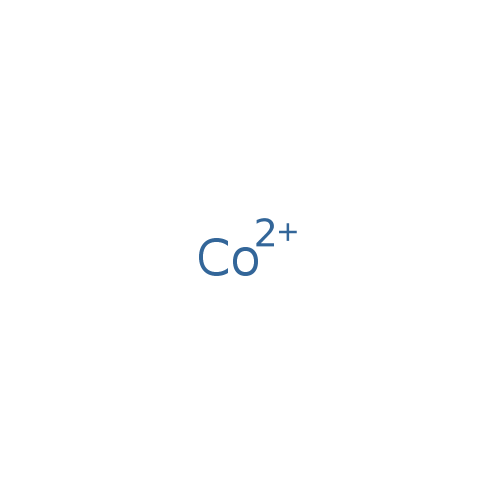 | ||||||||||||||||||||||||||||||||||||||||||||||||
| Synonyms |
| ||||||||||||||||||||||||||||||||||||||||||||||||
| Chemical Formula | Co | ||||||||||||||||||||||||||||||||||||||||||||||||
| Average Molecular Mass | 58.933 g/mol | ||||||||||||||||||||||||||||||||||||||||||||||||
| Monoisotopic Mass | 58.933 g/mol | ||||||||||||||||||||||||||||||||||||||||||||||||
| CAS Registry Number | 7440-48-4 | ||||||||||||||||||||||||||||||||||||||||||||||||
| IUPAC Name | lambda2-cobalt(2+) ion | ||||||||||||||||||||||||||||||||||||||||||||||||
| Traditional Name | lambda2-cobalt(2+) ion | ||||||||||||||||||||||||||||||||||||||||||||||||
| SMILES | [Co++] | ||||||||||||||||||||||||||||||||||||||||||||||||
| InChI Identifier | InChI=1S/Co/q+2 | ||||||||||||||||||||||||||||||||||||||||||||||||
| InChI Key | XLJKHNWPARRRJB-UHFFFAOYSA-N | ||||||||||||||||||||||||||||||||||||||||||||||||
| Chemical Taxonomy | |||||||||||||||||||||||||||||||||||||||||||||||||
| Description | belongs to the class of inorganic compounds known as homogeneous transition metal compounds. These are inorganic compounds containing only metal atoms,with the largest atom being a transition metal atom. | ||||||||||||||||||||||||||||||||||||||||||||||||
| Kingdom | Inorganic compounds | ||||||||||||||||||||||||||||||||||||||||||||||||
| Super Class | Homogeneous metal compounds | ||||||||||||||||||||||||||||||||||||||||||||||||
| Class | Homogeneous transition metal compounds | ||||||||||||||||||||||||||||||||||||||||||||||||
| Sub Class | Not Available | ||||||||||||||||||||||||||||||||||||||||||||||||
| Direct Parent | Homogeneous transition metal compounds | ||||||||||||||||||||||||||||||||||||||||||||||||
| Alternative Parents | Not Available | ||||||||||||||||||||||||||||||||||||||||||||||||
| Substituents |
| ||||||||||||||||||||||||||||||||||||||||||||||||
| Molecular Framework | Not Available | ||||||||||||||||||||||||||||||||||||||||||||||||
| External Descriptors |
| ||||||||||||||||||||||||||||||||||||||||||||||||
| Biological Properties | |||||||||||||||||||||||||||||||||||||||||||||||||
| Status | Detected and Not Quantified | ||||||||||||||||||||||||||||||||||||||||||||||||
| Origin | Exogenous | ||||||||||||||||||||||||||||||||||||||||||||||||
| Cellular Locations |
| ||||||||||||||||||||||||||||||||||||||||||||||||
| Biofluid Locations | Not Available | ||||||||||||||||||||||||||||||||||||||||||||||||
| Tissue Locations |
| ||||||||||||||||||||||||||||||||||||||||||||||||
| Pathways | Not Available | ||||||||||||||||||||||||||||||||||||||||||||||||
| Applications | Not Available | ||||||||||||||||||||||||||||||||||||||||||||||||
| Biological Roles | |||||||||||||||||||||||||||||||||||||||||||||||||
| Chemical Roles | Not Available | ||||||||||||||||||||||||||||||||||||||||||||||||
| Physical Properties | |||||||||||||||||||||||||||||||||||||||||||||||||
| State | Solid | ||||||||||||||||||||||||||||||||||||||||||||||||
| Appearance | Grey metallic solid. | ||||||||||||||||||||||||||||||||||||||||||||||||
| Experimental Properties |
| ||||||||||||||||||||||||||||||||||||||||||||||||
| Predicted Properties |
| ||||||||||||||||||||||||||||||||||||||||||||||||
| Spectra | |||||||||||||||||||||||||||||||||||||||||||||||||
| Spectra |
| ||||||||||||||||||||||||||||||||||||||||||||||||
| Toxicity Profile | |||||||||||||||||||||||||||||||||||||||||||||||||
| Route of Exposure | Inhalation (8) ; oral (8) ; dermal (8) | ||||||||||||||||||||||||||||||||||||||||||||||||
| Mechanism of Toxicity | Cobalt is believed to exhibit its toxicity through a oxidant-based and free radical-based processes. It produces oxygen radicals and may be oxidized to ionic cobalt, causing increased lipid peroxidation, DNA damage, and inducing certain enzymes that lead to cell apoptosis. Cobalt has also been shown to block inorganic calcium channels, possibly impairing neurotransmission. Cobalt can also chelate lipoic acids, impairing oxidation of pyruvate or fatty acids. In addition, cobalt may inhibit DNA repair by interacting with zinc finger DNA repair proteins, and has also been shown to inhibit heme synthesis and glucose metabolism. Cobalt may activate specific helper T-lymphocyte cells and interact directly with immunologic proteins, such as antibodies (IgA and IgE) or Fc receptors, resulting in immunosensitization. (8) | ||||||||||||||||||||||||||||||||||||||||||||||||
| Metabolism | Cobalt is absorbed though the lungs, gastrointestinal tract, and skin. Since it is a component of the vitamin B12 (cyanocobalamin), it is distributed to most tissues of the body. It is transported in the blood, often bound to albumin, with the highest levels being found in the liver and kidney. Cobalt is excreted mainly in the urine and faeces. (8) | ||||||||||||||||||||||||||||||||||||||||||||||||
| Toxicity Values | LD50: 6170 mg/kg (Oral, Rat) (14) LD50: 100 mg/kg (Intraperitoneal, Rat) (14) | ||||||||||||||||||||||||||||||||||||||||||||||||
| Lethal Dose | 1 to 2 mg/m3 for an adult human. (12) | ||||||||||||||||||||||||||||||||||||||||||||||||
| Carcinogenicity (IARC Classification) | Cobalt metal with tungsten carbide: 2A, probably carcinogenic to humans. Cobalt metal without tungsten carbide: 2B, posiibly carcinogenic to humans. (11) | ||||||||||||||||||||||||||||||||||||||||||||||||
| Uses/Sources | Cobalt is used to produce alloys used in the manufacture of aircraft engines, magnets, grinding and cutting tools, artificial hip and knee joints. Cobalt compounds are also used to color glass, ceramics and paints, and used as a drier for porcelain enamel and paints. | ||||||||||||||||||||||||||||||||||||||||||||||||
| Minimum Risk Level | Chronic Inhalation: 0.0001 mg/m3 (10) Intermediate Oral: 0.01 mg/kg/day (10) | ||||||||||||||||||||||||||||||||||||||||||||||||
| Health Effects | Exposure to high amount of cobalt can cause heart, lung, kidney, and liver damage. Skin contact is known to result in contact dermatitis. Cobalt may also have mutagenic and carcinogenic effects. (8, 9) | ||||||||||||||||||||||||||||||||||||||||||||||||
| Symptoms | Cobalt inhalation can cause asthma-like breathing problems. Skin contact is known to result in contact dermatitis, which is characterized by irritation and rashes. Ingesting large amounts of cobalt may cause nausea and vomiting. (13) | ||||||||||||||||||||||||||||||||||||||||||||||||
| Treatment | Treatment of cobalt poisoning is symptomatic. (8) | ||||||||||||||||||||||||||||||||||||||||||||||||
| Concentrations | |||||||||||||||||||||||||||||||||||||||||||||||||
| Not Available | |||||||||||||||||||||||||||||||||||||||||||||||||
| External Links | |||||||||||||||||||||||||||||||||||||||||||||||||
| DrugBank ID | Not Available | ||||||||||||||||||||||||||||||||||||||||||||||||
| HMDB ID | HMDB0000608 | ||||||||||||||||||||||||||||||||||||||||||||||||
| FooDB ID | FDB003581 | ||||||||||||||||||||||||||||||||||||||||||||||||
| Phenol Explorer ID | Not Available | ||||||||||||||||||||||||||||||||||||||||||||||||
| KNApSAcK ID | Not Available | ||||||||||||||||||||||||||||||||||||||||||||||||
| BiGG ID | Not Available | ||||||||||||||||||||||||||||||||||||||||||||||||
| BioCyc ID | Not Available | ||||||||||||||||||||||||||||||||||||||||||||||||
| METLIN ID | Not Available | ||||||||||||||||||||||||||||||||||||||||||||||||
| PDB ID | Not Available | ||||||||||||||||||||||||||||||||||||||||||||||||
| Wikipedia Link | Cobalt | ||||||||||||||||||||||||||||||||||||||||||||||||
| Chemspider ID | 94546 | ||||||||||||||||||||||||||||||||||||||||||||||||
| ChEBI ID | 48828 | ||||||||||||||||||||||||||||||||||||||||||||||||
| PubChem Compound ID | 104729 | ||||||||||||||||||||||||||||||||||||||||||||||||
| Kegg Compound ID | C00175 | ||||||||||||||||||||||||||||||||||||||||||||||||
| YMDB ID | Not Available | ||||||||||||||||||||||||||||||||||||||||||||||||
| ECMDB ID | ECMDB00608 | ||||||||||||||||||||||||||||||||||||||||||||||||
| References | |||||||||||||||||||||||||||||||||||||||||||||||||
| Synthesis Reference | Not Available | ||||||||||||||||||||||||||||||||||||||||||||||||
| MSDS | Link | ||||||||||||||||||||||||||||||||||||||||||||||||
| General References | |||||||||||||||||||||||||||||||||||||||||||||||||