gamma-Hexachlorocyclohexane (CHEM000028)
| Record Information | |||||||||||||||||||||||||||||||||||||||||||||||||||||||||||||||||||||
|---|---|---|---|---|---|---|---|---|---|---|---|---|---|---|---|---|---|---|---|---|---|---|---|---|---|---|---|---|---|---|---|---|---|---|---|---|---|---|---|---|---|---|---|---|---|---|---|---|---|---|---|---|---|---|---|---|---|---|---|---|---|---|---|---|---|---|---|---|---|
| Version | 1.0 | ||||||||||||||||||||||||||||||||||||||||||||||||||||||||||||||||||||
| Creation Date | 2009-03-06 18:57:57 UTC | ||||||||||||||||||||||||||||||||||||||||||||||||||||||||||||||||||||
| Update Date | 2026-05-14 16:38:33 UTC | ||||||||||||||||||||||||||||||||||||||||||||||||||||||||||||||||||||
| Accession Number | CHEM000028 | ||||||||||||||||||||||||||||||||||||||||||||||||||||||||||||||||||||
| Identification | |||||||||||||||||||||||||||||||||||||||||||||||||||||||||||||||||||||
| Common Name | gamma-Hexachlorocyclohexane | ||||||||||||||||||||||||||||||||||||||||||||||||||||||||||||||||||||
| Class | Small Molecule | ||||||||||||||||||||||||||||||||||||||||||||||||||||||||||||||||||||
| Description | An organochlorine insecticide that has been used as a pediculicide and a scabicide. Lindane has been banned in California, United Kingdom, Australia, and many western countries due to concerns about neurotoxicity and adverse effects on the environment. In Canada, Lindane is not recommmended as a first-line therapy due to reports of resistance, neurotoxicity, and bone marrow suppression, but has been approved by the FDA as a second-line therapy for topical treatment of pediculosis capitis (head lice), pediculosis pubis (pubic lice), or scabies in patients greater than two years of age who cannot tolerate or have failed first-line treatment. | ||||||||||||||||||||||||||||||||||||||||||||||||||||||||||||||||||||
| Contaminant Sources |
| ||||||||||||||||||||||||||||||||||||||||||||||||||||||||||||||||||||
| Contaminant Type |
| ||||||||||||||||||||||||||||||||||||||||||||||||||||||||||||||||||||
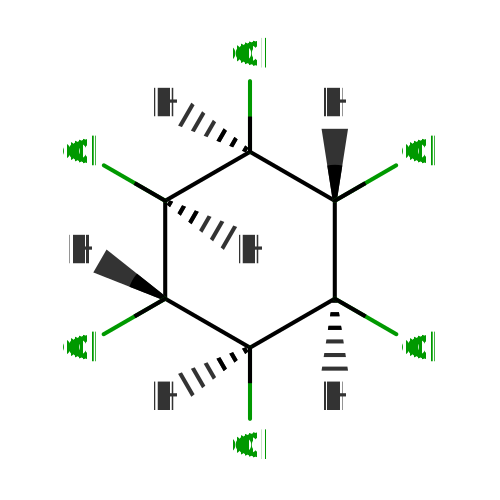
| Chemical Structure | 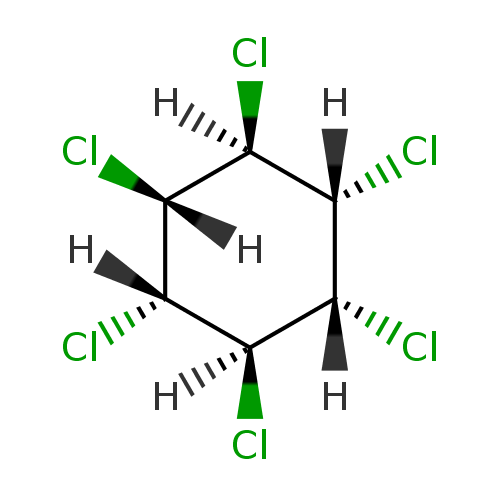 | ||||||||||||||||||||||||||||||||||||||||||||||||||||||||||||||||||||
| Synonyms |
| ||||||||||||||||||||||||||||||||||||||||||||||||||||||||||||||||||||
| Chemical Formula | C6H6Cl6 | ||||||||||||||||||||||||||||||||||||||||||||||||||||||||||||||||||||
| Average Molecular Mass | 290.830 g/mol | ||||||||||||||||||||||||||||||||||||||||||||||||||||||||||||||||||||
| Monoisotopic Mass | 287.860 g/mol | ||||||||||||||||||||||||||||||||||||||||||||||||||||||||||||||||||||
| CAS Registry Number | 58-89-9 | ||||||||||||||||||||||||||||||||||||||||||||||||||||||||||||||||||||
| IUPAC Name | (1R,2S,3r,4R,5S,6r)-1,2,3,4,5,6-hexachlorocyclohexane | ||||||||||||||||||||||||||||||||||||||||||||||||||||||||||||||||||||
| Traditional Name | β-hexachlorobenzene | ||||||||||||||||||||||||||||||||||||||||||||||||||||||||||||||||||||
| SMILES | Cl[C@H]1[C@H](Cl)[C@@H](Cl)[C@@H](Cl)[C@H](Cl)[C@H]1Cl | ||||||||||||||||||||||||||||||||||||||||||||||||||||||||||||||||||||
| InChI Identifier | InChI=1S/C6H6Cl6/c7-1-2(8)4(10)6(12)5(11)3(1)9/h1-6H/t1-,2-,3-,4+,5+,6+ | ||||||||||||||||||||||||||||||||||||||||||||||||||||||||||||||||||||
| InChI Key | JLYXXMFPNIAWKQ-GNIYUCBRSA-N | ||||||||||||||||||||||||||||||||||||||||||||||||||||||||||||||||||||
| Chemical Taxonomy | |||||||||||||||||||||||||||||||||||||||||||||||||||||||||||||||||||||
| Description | belongs to the class of organic compounds known as cyclohexyl halides. These are organohalogen compounds containing a monocyclic cyclohexane moiety that is substituted at one or more positions by an halogen atom. | ||||||||||||||||||||||||||||||||||||||||||||||||||||||||||||||||||||
| Kingdom | Organic compounds | ||||||||||||||||||||||||||||||||||||||||||||||||||||||||||||||||||||
| Super Class | Organohalogen compounds | ||||||||||||||||||||||||||||||||||||||||||||||||||||||||||||||||||||
| Class | Alkyl halides | ||||||||||||||||||||||||||||||||||||||||||||||||||||||||||||||||||||
| Sub Class | Cyclohexyl halides | ||||||||||||||||||||||||||||||||||||||||||||||||||||||||||||||||||||
| Direct Parent | Cyclohexyl halides | ||||||||||||||||||||||||||||||||||||||||||||||||||||||||||||||||||||
| Alternative Parents | |||||||||||||||||||||||||||||||||||||||||||||||||||||||||||||||||||||
| Substituents |
| ||||||||||||||||||||||||||||||||||||||||||||||||||||||||||||||||||||
| Molecular Framework | Aliphatic homomonocyclic compounds | ||||||||||||||||||||||||||||||||||||||||||||||||||||||||||||||||||||
| External Descriptors |
| ||||||||||||||||||||||||||||||||||||||||||||||||||||||||||||||||||||
| Biological Properties | |||||||||||||||||||||||||||||||||||||||||||||||||||||||||||||||||||||
| Status | Detected and Not Quantified | ||||||||||||||||||||||||||||||||||||||||||||||||||||||||||||||||||||
| Origin | Exogenous | ||||||||||||||||||||||||||||||||||||||||||||||||||||||||||||||||||||
| Cellular Locations |
| ||||||||||||||||||||||||||||||||||||||||||||||||||||||||||||||||||||
| Biofluid Locations | Not Available | ||||||||||||||||||||||||||||||||||||||||||||||||||||||||||||||||||||
| Tissue Locations | Not Available | ||||||||||||||||||||||||||||||||||||||||||||||||||||||||||||||||||||
| Pathways | Not Available | ||||||||||||||||||||||||||||||||||||||||||||||||||||||||||||||||||||
| Applications | |||||||||||||||||||||||||||||||||||||||||||||||||||||||||||||||||||||
| Biological Roles | |||||||||||||||||||||||||||||||||||||||||||||||||||||||||||||||||||||
| Chemical Roles | |||||||||||||||||||||||||||||||||||||||||||||||||||||||||||||||||||||
| Physical Properties | |||||||||||||||||||||||||||||||||||||||||||||||||||||||||||||||||||||
| State | Solid | ||||||||||||||||||||||||||||||||||||||||||||||||||||||||||||||||||||
| Appearance | White powder or colorless vapor. | ||||||||||||||||||||||||||||||||||||||||||||||||||||||||||||||||||||
| Experimental Properties |
| ||||||||||||||||||||||||||||||||||||||||||||||||||||||||||||||||||||
| Predicted Properties |
| ||||||||||||||||||||||||||||||||||||||||||||||||||||||||||||||||||||
| Spectra | |||||||||||||||||||||||||||||||||||||||||||||||||||||||||||||||||||||
| Spectra |
| ||||||||||||||||||||||||||||||||||||||||||||||||||||||||||||||||||||
| Toxicity Profile | |||||||||||||||||||||||||||||||||||||||||||||||||||||||||||||||||||||
| Route of Exposure | Oral (4) ; inhalation (4) ; dermal (4) Lindane is absorbed significantly through the skin. A mean peak blood concentration of 28 nanograms per mL occurred in infants and children 6 hours after total body application of lindane lotion for scabies. | ||||||||||||||||||||||||||||||||||||||||||||||||||||||||||||||||||||
| Mechanism of Toxicity | Hexachlorocyclohexane is a neurotoxin that interferes with GABA neurotransmitter function by interacting with the GABA-A receptor-chloride channel complex at the picrotoxin binding site, causing over stimulation of the central nervous system. It is also believed to inhibit sodium/potassium-transporting ATPases and be an endocrine disruptor. In the liver, hexachlorocyclohexane is thought to cause oxidative stress by interfering with hepatic oxidative capacity and glutathione metabolism, increasing lipid metabolism, and inhibiting magnesium ATPase activity. Hexachlorocyclohexane may also inhibit gap junction and intercellular communication, leading to uncontrolled cell growth and tumor promotion. (4, 5, 1) | ||||||||||||||||||||||||||||||||||||||||||||||||||||||||||||||||||||
| Metabolism | Hexachlorocyclohexane is absorbed through the skin, lungs, and intestines, then distributed mainly to the adipose tissue but also to the brain, kidney, muscle, and blood. Metabolism occurs via dechlorination, dehydrogenation, dehydrochlorination, and hydroxylation by hepatic cytochrome P-450 enzymes. The main metabolites are polychlorophenols and 1,2,4-trichlorocyclohexane-4,5-epoxide, which are excreted in the urine. (4). Other metabolites include 2-chlorophenol, 0-chlorophenol, chlorocyclohexane, chlorocyclohexanol. Half Life: 18 hours | ||||||||||||||||||||||||||||||||||||||||||||||||||||||||||||||||||||
| Toxicity Values | Lindane is a moderately toxic compound via oral exposure, with a reported oral LD50 of 88 to 190 mg/kg in rats. It is moderately toxic via the dermal route as well, with reported dermal LD50 values of 500 to 1000 mg/kg in rats, 300 mg/kg in mice, 400 mg/kg in guinea pigs, and 300 mg/kg in rabbits. LD50: 76 mg/kg (Oral, Rat) (10) LD50: 50 mg/kg (Dermal, Rabbit) (10) LD50: 125 mg/kg (Intraperitoneal, Mouse) (10) | ||||||||||||||||||||||||||||||||||||||||||||||||||||||||||||||||||||
| Lethal Dose | 28 g for an adult human. (8) | ||||||||||||||||||||||||||||||||||||||||||||||||||||||||||||||||||||
| Carcinogenicity (IARC Classification) | 2B, possibly carcinogenic to humans. (7) | ||||||||||||||||||||||||||||||||||||||||||||||||||||||||||||||||||||
| Uses/Sources | Hexachlorocyclohexane is used as an insecticide on fruit, vegetables, and forest crops and is also available as a prescription (lotion, cream, or shampoo) to treat head and body lice, and scabies. (4) Hexachlorocyclohexane is also used or the treatment of patients infested with Sarcoptes scabiei or pediculosis capitis who have either failed to respond to adequate doses, or are intolerant of other approved therapies. | ||||||||||||||||||||||||||||||||||||||||||||||||||||||||||||||||||||
| Minimum Risk Level | Acute Oral: 0.003 mg/kg/day (6) Intermediate Oral: 0.00001 mg/kg/day (6) | ||||||||||||||||||||||||||||||||||||||||||||||||||||||||||||||||||||
| Health Effects | Exposure to large amounts of hexachlorocyclohexane can harm the nervous system, producing a range of symptoms from headache and dizziness to seizures, convulsions and more rarely death. Hexachlorocyclohexane is known to damage the liver, kidneys, and immune system, as well as cause blood disorders and reproductive and developmental defects. Hexachlorocyclohexane is also potentially carcinogenic. (4, 5) | ||||||||||||||||||||||||||||||||||||||||||||||||||||||||||||||||||||
| Symptoms | Exposure to large amounts of hexachlorocyclohexane can harm the nervous system, producing a range of symptoms from headache and dizziness to seizures, convulsions and more rarely death. (5) | ||||||||||||||||||||||||||||||||||||||||||||||||||||||||||||||||||||
| Treatment | Hexachlorocyclohexane poisoning is treated symptomatically. Gastric lavage, followed by the administration of activated charcoal, may be performed upon ingestion. (9) | ||||||||||||||||||||||||||||||||||||||||||||||||||||||||||||||||||||
| Concentrations | |||||||||||||||||||||||||||||||||||||||||||||||||||||||||||||||||||||
| Not Available | |||||||||||||||||||||||||||||||||||||||||||||||||||||||||||||||||||||
| External Links | |||||||||||||||||||||||||||||||||||||||||||||||||||||||||||||||||||||
| DrugBank ID | DB00431 | ||||||||||||||||||||||||||||||||||||||||||||||||||||||||||||||||||||
| HMDB ID | HMDB0014575 | ||||||||||||||||||||||||||||||||||||||||||||||||||||||||||||||||||||
| FooDB ID | Not Available | ||||||||||||||||||||||||||||||||||||||||||||||||||||||||||||||||||||
| Phenol Explorer ID | Not Available | ||||||||||||||||||||||||||||||||||||||||||||||||||||||||||||||||||||
| KNApSAcK ID | Not Available | ||||||||||||||||||||||||||||||||||||||||||||||||||||||||||||||||||||
| BiGG ID | Not Available | ||||||||||||||||||||||||||||||||||||||||||||||||||||||||||||||||||||
| BioCyc ID | Not Available | ||||||||||||||||||||||||||||||||||||||||||||||||||||||||||||||||||||
| METLIN ID | Not Available | ||||||||||||||||||||||||||||||||||||||||||||||||||||||||||||||||||||
| PDB ID | Not Available | ||||||||||||||||||||||||||||||||||||||||||||||||||||||||||||||||||||
| Wikipedia Link | Lindane | ||||||||||||||||||||||||||||||||||||||||||||||||||||||||||||||||||||
| Chemspider ID | 10481896 | ||||||||||||||||||||||||||||||||||||||||||||||||||||||||||||||||||||
| ChEBI ID | 32888 | ||||||||||||||||||||||||||||||||||||||||||||||||||||||||||||||||||||
| PubChem Compound ID | Not Available | ||||||||||||||||||||||||||||||||||||||||||||||||||||||||||||||||||||
| Kegg Compound ID | C07075 | ||||||||||||||||||||||||||||||||||||||||||||||||||||||||||||||||||||
| YMDB ID | Not Available | ||||||||||||||||||||||||||||||||||||||||||||||||||||||||||||||||||||
| ECMDB ID | Not Available | ||||||||||||||||||||||||||||||||||||||||||||||||||||||||||||||||||||
| References | |||||||||||||||||||||||||||||||||||||||||||||||||||||||||||||||||||||
| Synthesis Reference | Not Available | ||||||||||||||||||||||||||||||||||||||||||||||||||||||||||||||||||||
| MSDS | Not Available | ||||||||||||||||||||||||||||||||||||||||||||||||||||||||||||||||||||
| General References | |||||||||||||||||||||||||||||||||||||||||||||||||||||||||||||||||||||